Чат в WhatsApp
Букет невесты из полевых цветов — свободная ручная сборка луговых цветов, будто только что сорванных. Рассказываем, как выбрать и оформить такой букет в Великобритании.
Почти никто не несёт к алтарю цветы, которые действительно росли в поле. Под свадебным букетом из полевых цветов обычно имеют в виду образ: разная высота, подвижные стебли, мелкие цветы вперемешку с несколькими крупными, немного зелени и травы и никакого плотного купола. Мы часто слышим об этом в нашей студии в Саутворке, и здесь легко ошибиться: за «непринуждённостью» всё равно должна стоять структура. В этом гиде — из чего такой букет собирают, какие цветы подходят к какому сезону, как работать с синей гаммой и что проверить перед днём свадьбы.
Почему букет выглядит «полевым»?
Дело в трёх вещах, а не в каком-то конкретном цветке.
- Форма. Полевой букет собирают в руке, а не на проволоке, и обычно он чуть шире, чем выше, а отдельные стебли выступают над остальными. Идеально круглый силуэт выглядит торжественно, из чего бы он ни был собран.
- Масштаб. Много мелких головок (ромашки, васильки, скабиоза, пиретрум девичий) и лишь горсть крупных цветов-акцентов. Когда все цветы одного размера, букет выглядит составленным, а не собранным.
- Фактура. Травы, семенные коробочки, пряные травы и мягкая зелень работают не меньше цветов. Уберите их — и останется просто сборный букет, а не луг.
Стебли — тоже часть образа. Большинство полевых букетов перевязывают лентой или бечёвкой и оставляют видимой часть голых стеблей, а не обматывают до самого низа.
Какие цветы идут в свадебный букет из полевых цветов в Великобритании?
Флористы собирают «полевой» образ из культурных цветов, выращенных на срезку, которые похожи на луговые растения цветом и характером. Палитра меняется с сезоном, и сезонные цветы всегда выглядят естественнее (и держатся лучше), чем выгнанные вне сезона.
Весна (март — май)
Ранункулюсы, анемоны, нарциссы, тюльпаны, цветущие ветки, мускари и ранний душистый горошек. Весенние букеты обычно легче и свежее, с большим количеством зелени.
Лето (июнь — август)
Пик этого стиля. Васильки, космея, скабиоза, нигелла («девица в зелени»), консолида, дельфиниумы, амми, астранция, тысячелистник, пиретрум девичий, ромашка и душистый горошек — все в лучшей форме, а мягкие травы найти легко.
Осень (сентябрь — ноябрь)
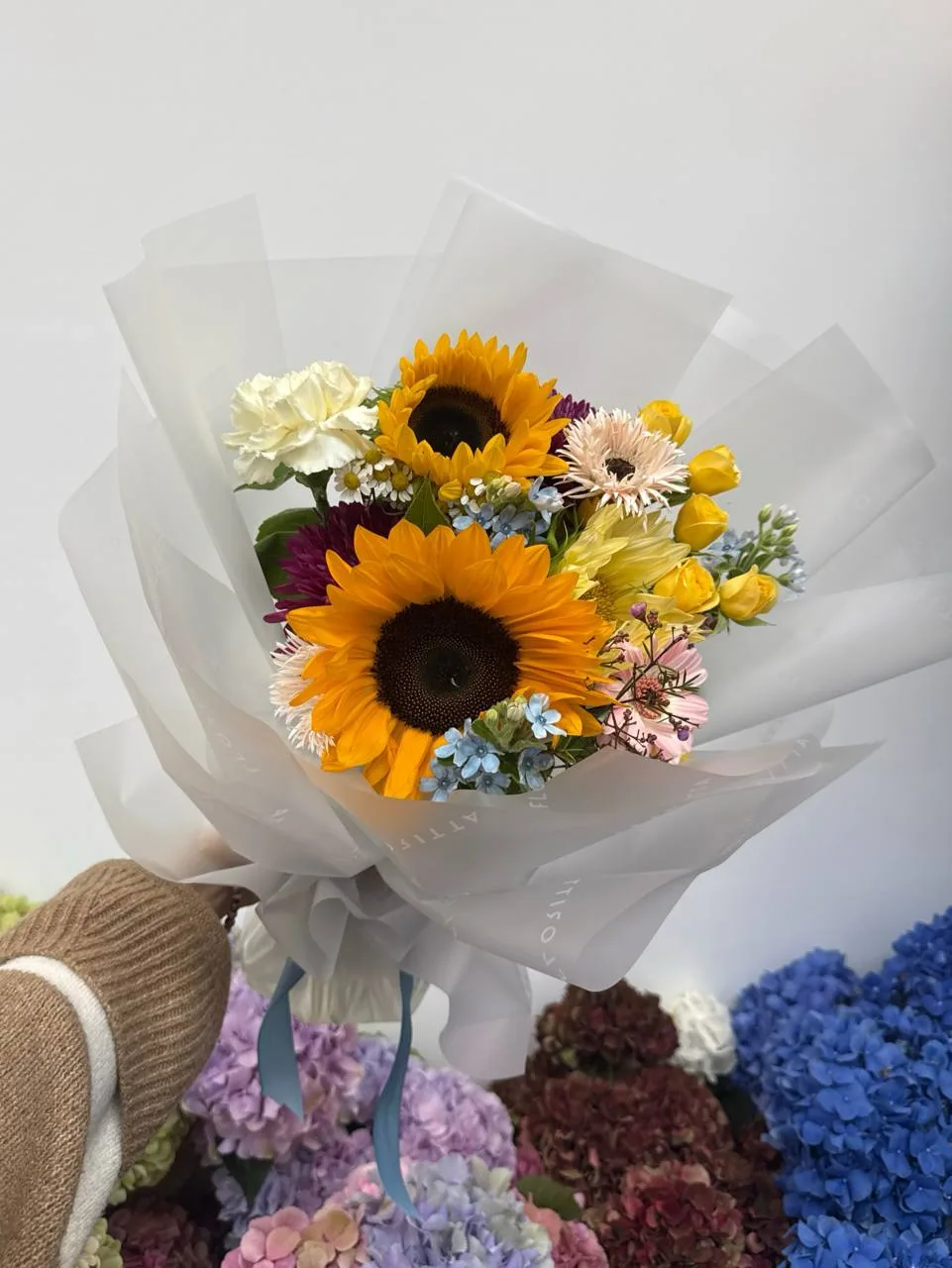
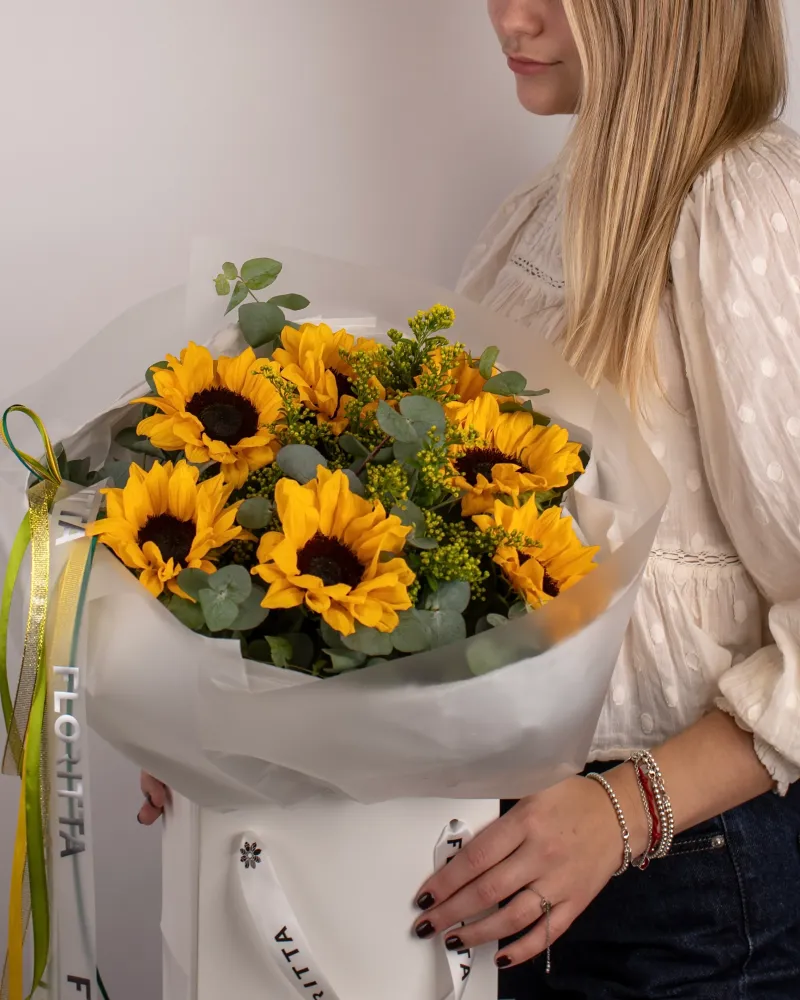
Теплее и насыщеннее: подсолнухи, георгины, рудбекия, поздняя космея, семенные коробочки и сухие травы. Именно здесь букет с подсолнухами во главе смотрится естественнее всего, а свет позднего лета подчёркивает жёлтые и ржавые тона.
Зима (декабрь — февраль)
Самый трудный сезон для этого образа. Будет больше листвы, эвкалипта, сухих трав и стабилизированных семенных коробочек вместе с теми свежими цветами, что есть в продаже. Зимний полевой букет будет сдержаннее по цвету, и это честно по отношению к сезону.
Если нужна отправная точка, наш букет невесты Wildflower — рустикальный дизайн с подсолнухами во главе, белыми цветами и эвкалиптом. Для более нежной садовой версии Wildflower Garden Posy смешивает розы, герберы и эустому, а его меньший размер хорошо подходит и подружкам невесты.
Можно ли самим нарвать полевых цветов на свадьбу?
Мы бы не советовали. В Великобритании запрещено выкапывать любые дикие растения без разрешения владельца земли, а некоторые виды охраняются полностью, и рвать их нельзя вовсе. Кроме юридической стороны, настоящие полевые цветы часто коротконогие, быстро осыпаются и вянут за час-два без воды — ровно то, что не нужно во время фотосессии. Культурные срезанные цветы дают тот же образ и выращены, чтобы долго стоять в вазе.
Синий полевой букет
Синий — цвет, который чаще всего связывают с лугом, и он же самый редкий среди срезанных цветов. Настоящий или почти настоящий синий дают:
- Васильки — классика, мелкие и насыщенно-синие, лучше всего летом.
- Дельфиниумы и консолида — высокие свечи, которые добавляют высоту, от бледно-голубого до тёмно-синего.
- Нигелла — нежно-голубые цветы с перистой листвой, после которых остаются полосатые семенные коробочки, красивые сами по себе.
- Эрингиум (синеголовник) — серебристо-синий «чертополох», крепкий, долго стоит и добавляет букету дикости.
- Скабиоза и вероника — скорее лавандово-голубые, чем чисто синие, и хорошо связывают синий с белым.
- Мускари весной — для короткого плотного кобальтового акцента.
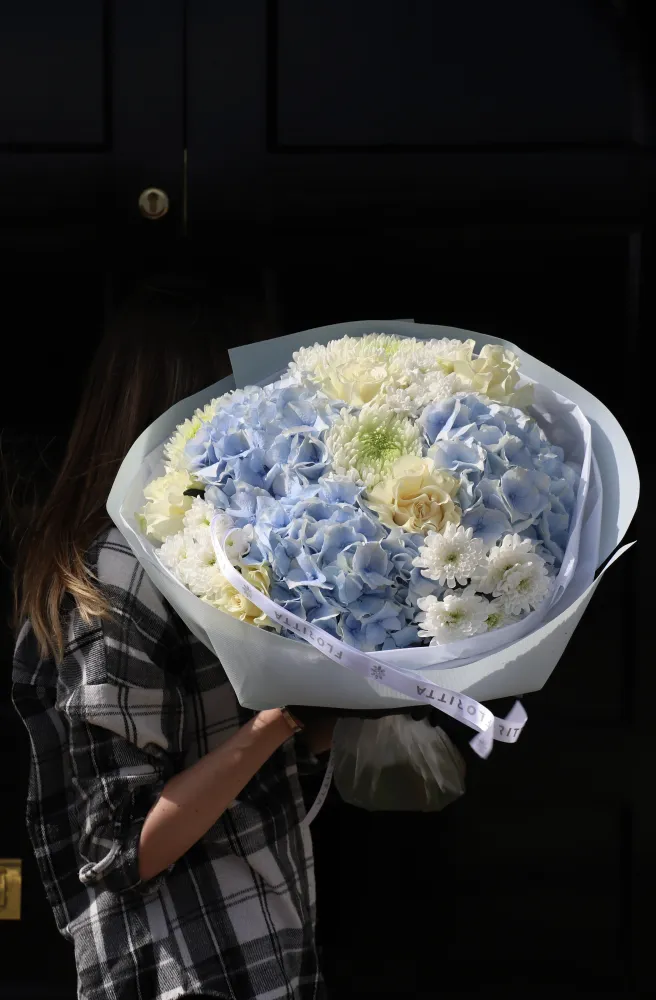
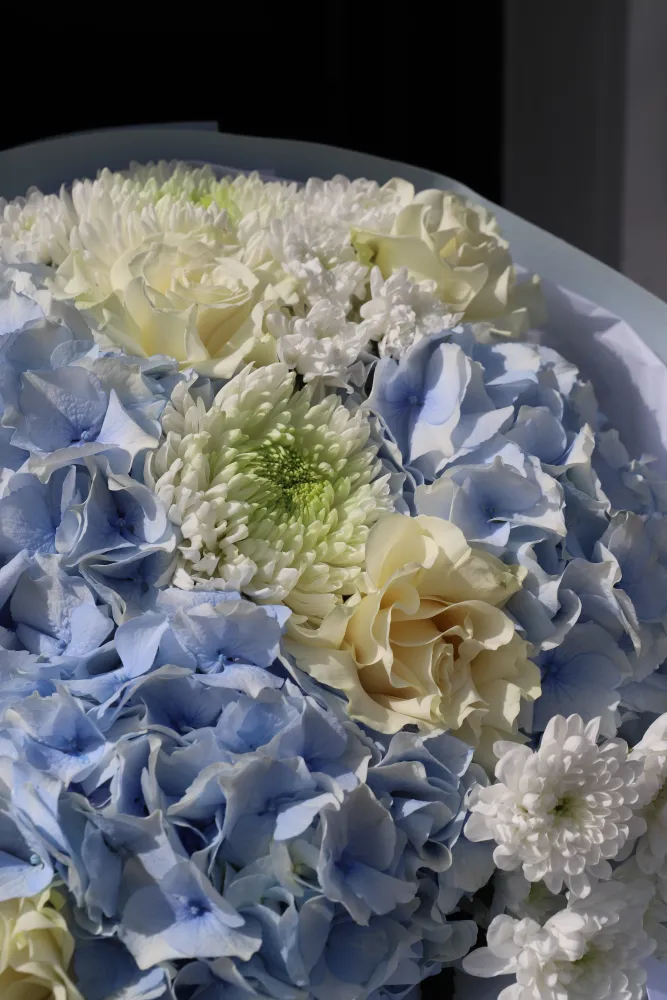
Букет целиком синего цвета на фото может выглядеть тяжёлым. Большинство синих полевых букетов лучше всего работают с большим количеством белого (амми, ромашка, пиретрум девичий, белая космея) и серебристо-зелёной листвой, тогда синий читается как акцент, а не сплошное пятно. Осторожнее с окрашенными цветами, которые продают как «синие»: вблизи они редко выглядят естественно.
Как подобрать полевой букет к свадьбе
Стиль прощает многое, но несколько сочетаний действительно важны.
- Платье. К свободному, струящемуся или простому платью подходит широкий воздушный букет. С очень структурным или богато расшитым платьем букет лучше сделать меньше и чуть компактнее, чтобы они не спорили.
- Площадка. Амбары, сады, пабы и ЗАГСы — всё подходит к этому образу. В роскошном или торжественном зале полевой букет тоже может сработать, если палитра сдержанная, например белое с зелёным и одним акцентным цветом.
- Остальные участники. Букетики подружек невесты можно собрать из тех же цветов меньшего размера, а один василёк, веточка лаванды или розмарина станут простой бутоньеркой, которая всё свяжет.
Шире о формах букетов и о том, как между ними выбрать, — в нашем гиде как выбрать букет невесты в Лондоне.
Как сохранить свежесть в день свадьбы
Нежные цветы, которые делают этот стиль таким красивым, первыми и сдают. Помогут несколько привычек:
- Держите букет в вазе с прохладной водой до самого выхода и возвращайте его в воду между церемонией и фотосессией, когда только можно.
- Не держите его на прямом солнце и у печки в машине. В жаркий летний день тень значит больше всего остального.
- Попросите добавить к хрупким цветам несколько более стойких (эустома, розы, эрингиум, эвкалипт). Они держат форму, пока нежные стебли расслабляются.
Заказать свадебный букет из полевых цветов в Лондоне
Для свадьбы мы всегда предпочитаем услышать вас задолго до даты, а не утром того же дня, — чтобы спланировать сезонные цветы и проверить пожелания по цвету. При этом наша студия работает каждый день с 8:00 до 22:00, заказы, оформленные до 22:00, можно доставить по Лондону в тот же день, а доставка по остальной Великобритании занимает 2–3 рабочих дня. Если планируете заказ с нуля, в нашем пошаговом гиде как заказать свадебный букет с доставкой в Лондоне разобраны сроки, детали доставки и то, как подобрать букет к теме свадьбы.
Частые вопросы
Какие цветы входят в букет невесты из полевых цветов?
Обычно это смесь мелких луговых цветов — васильков, ромашек, скабиозы, космеи, нигеллы и пиретрума девичьего — с несколькими крупными цветами для структуры и большим количеством трав, пряных трав или мягкой зелени. Конкретные цветы зависят от сезона.
Законно ли рвать полевые цветы для свадебного букета в Великобритании?
Чтобы выкопать любое дикое растение, нужно разрешение владельца земли, а охраняемые виды рвать нельзя вовсе. Срезанные цветы, выращенные специально для этого, дают тот же образ без риска и стоят гораздо дольше.
Из каких цветов собрать синий полевой букет?
Самые настоящие синие — васильки, дельфиниумы, консолида, нигелла и эрингиум. Скабиоза и вероника добавляют лавандовые тона, а белые цветы не дают цвету стать тяжёлым.
Продержится ли полевой букет весь день?
Да, если он как можно больше времени проводит в воде и вне солнца. Несколько более стойких цветов рядом с нежными помогут ему держать форму до вечера.
Можно ли заказать свадебный букет из полевых цветов с доставкой по Лондону?
Да. Мы доставляем по Лондону в тот же день при заказе до 22:00; доставка по остальной Великобритании занимает 2–3 рабочих дня. Актуальный ассортимент — в нашей свадебной коллекции.