WhatsApp Chat
Short answer: July is the month the British flower year changes hands. The last British peonies are cut in the first week or two, and dahlias, lilies, gladioli, hydrangeas, agapanthus, sunflowers and lavender take the month over. It is also the hottest month, which makes it the one month where how a bouquet is handled matters more than what is in it.
June is the month people plan around. July is the month that rewards knowing what you are doing. The choice is enormous — more species are being cut in Britain in July than in any month except June — but the heat is working against every stem from the moment it leaves the field, and the two or three flowers people ask for most in July are the two or three that mind the heat the most.
What is actually in season in the UK in July?
Dahlias in real volume for the first time, lilies, gladioli, agapanthus, hydrangeas, sunflowers, lavender, phlox, echinacea, achillea, scabious, larkspur, cornflowers, snapdragons, zinnias, statice, sweet peas still going, and the last of the British peonies at the very start of the month. Grasses, eucalyptus, mint and amaranthus carry the greenery, and the colours run harder and hotter than in June — less blush and cream, more bronze, coral, plum and acid green.
When do British peonies actually stop?
The British crop closes in the first week or two of July, and once it has gone it has gone. Late continental and Dutch peonies stretch the window a little further, and after that there is nothing until the southern-hemisphere crop arrives from Alaska, Chile and New Zealand in the autumn — flown a long way, and they behave like it.
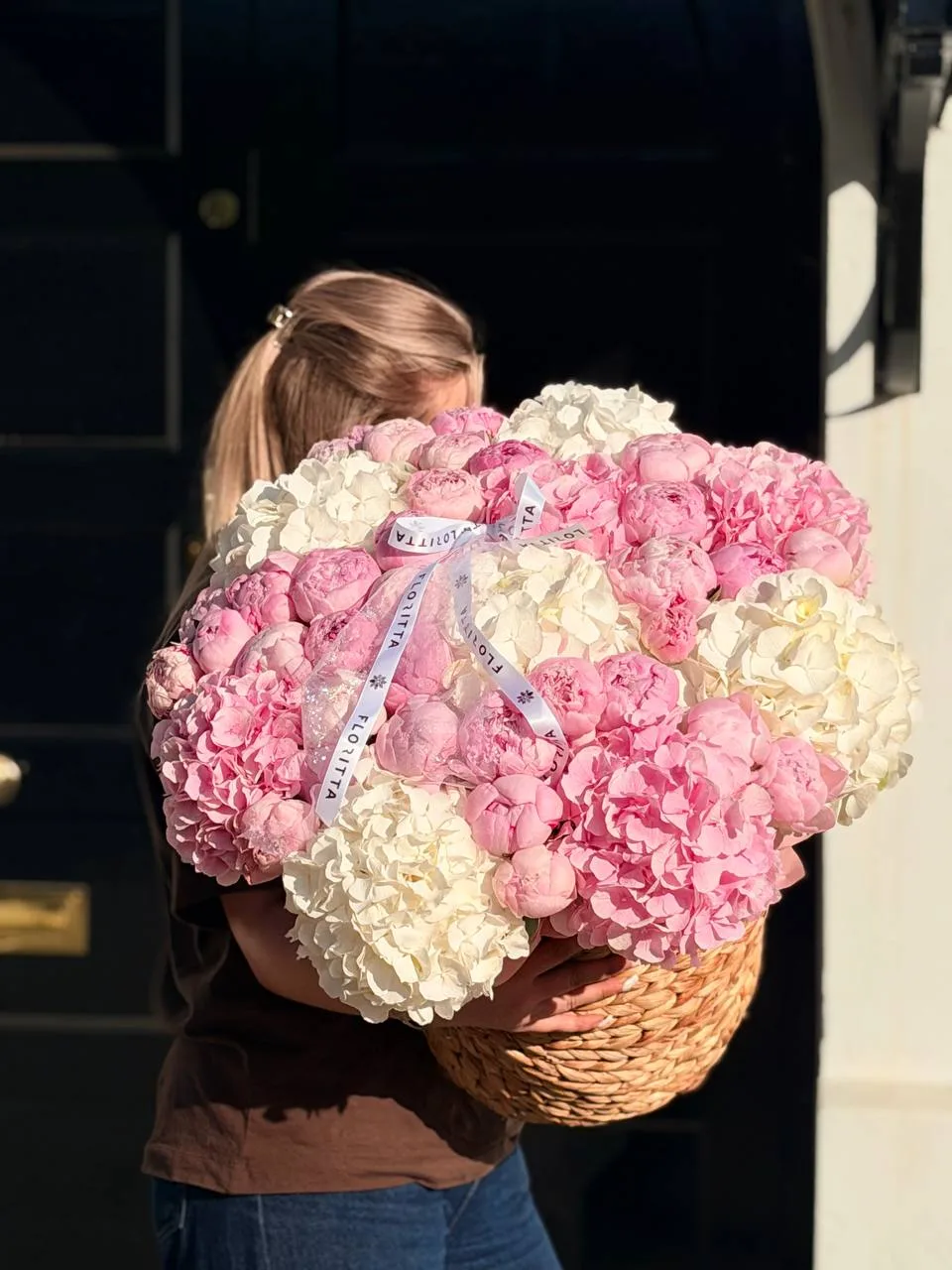
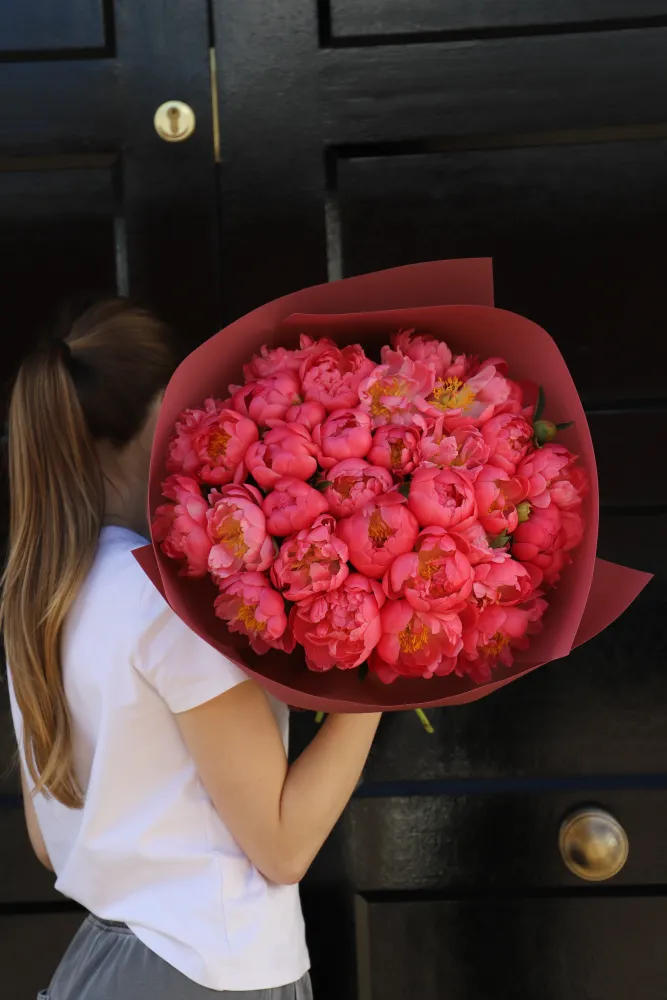
The practical version: a July date can still have British peonies at the beginning of the month and cannot have them at the end of it. If peonies are the point of the order, the first fortnight is the decision, not the flower. What is cutting this week is in peonies.
Is July the start of the dahlia season?
Yes, and it is the flower that defines the rest of the British summer. Dahlias come into volume in July and run without a break until the first frost, which in London is usually somewhere in late October or November. Every shape is available at once: tight pompons, flat single collarettes, the dinner-plate cafe-au-lait varieties that weddings ask for by name, and the spiky cactus types.
They are also the shortest-lived flower of the month, at four to six days. Dahlia stems are hollow and they take up water badly, which is why a bunch that looked perfect on Friday can be limp on Sunday. Florists deal with this by dipping the cut ends in very hot water for a few seconds before conditioning; at home, the useful version is a fresh slanted cut, deep water, and changing that water every other day rather than topping it up.
Why do hydrangeas wilt, and can they be brought back?
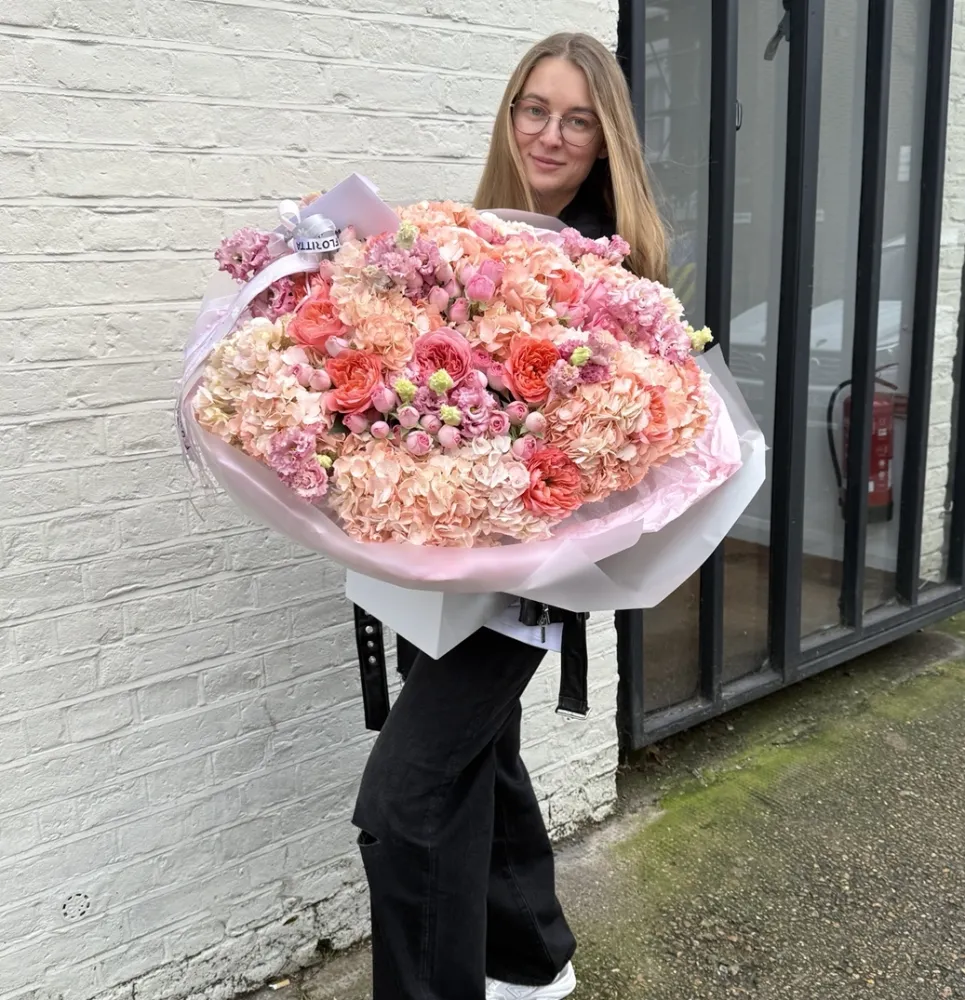
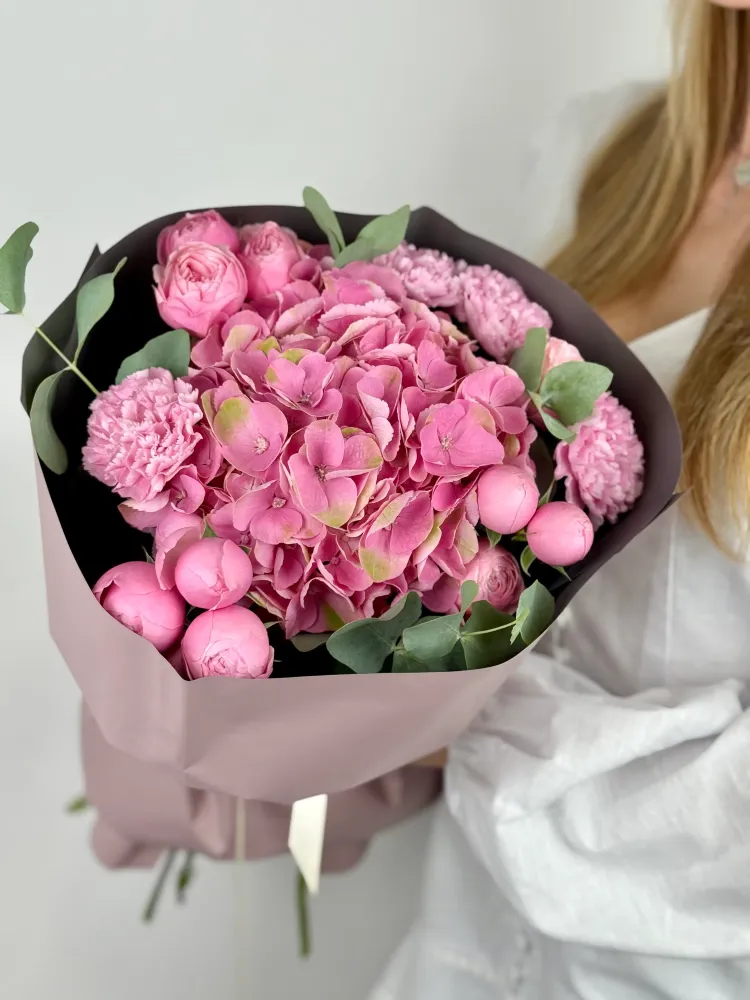
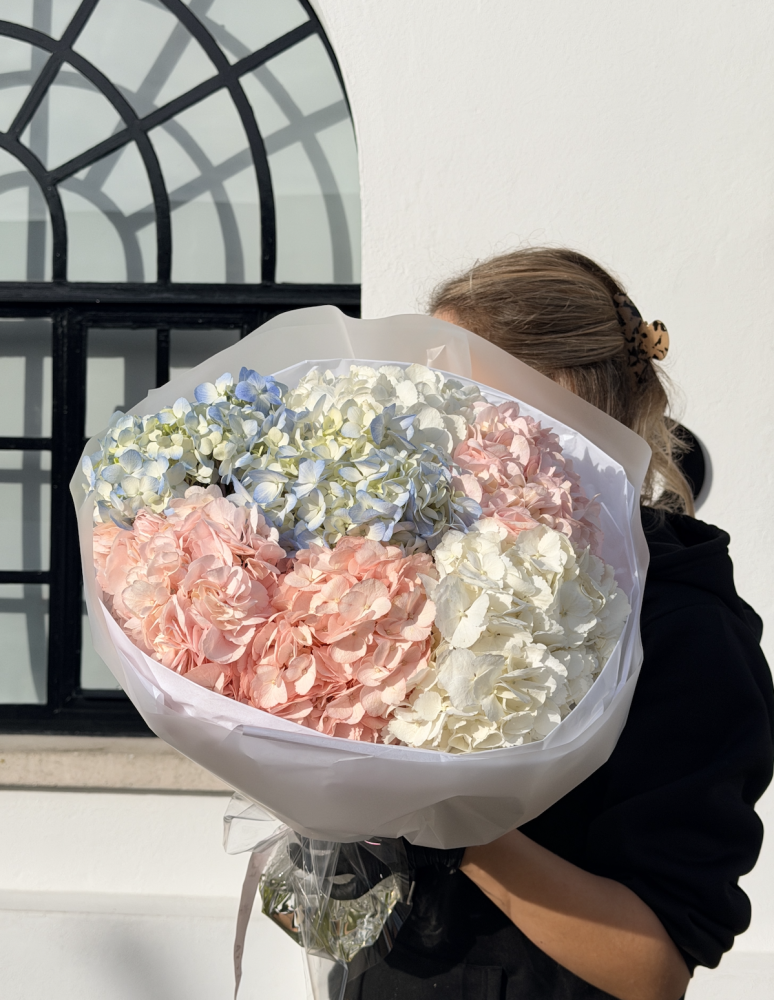
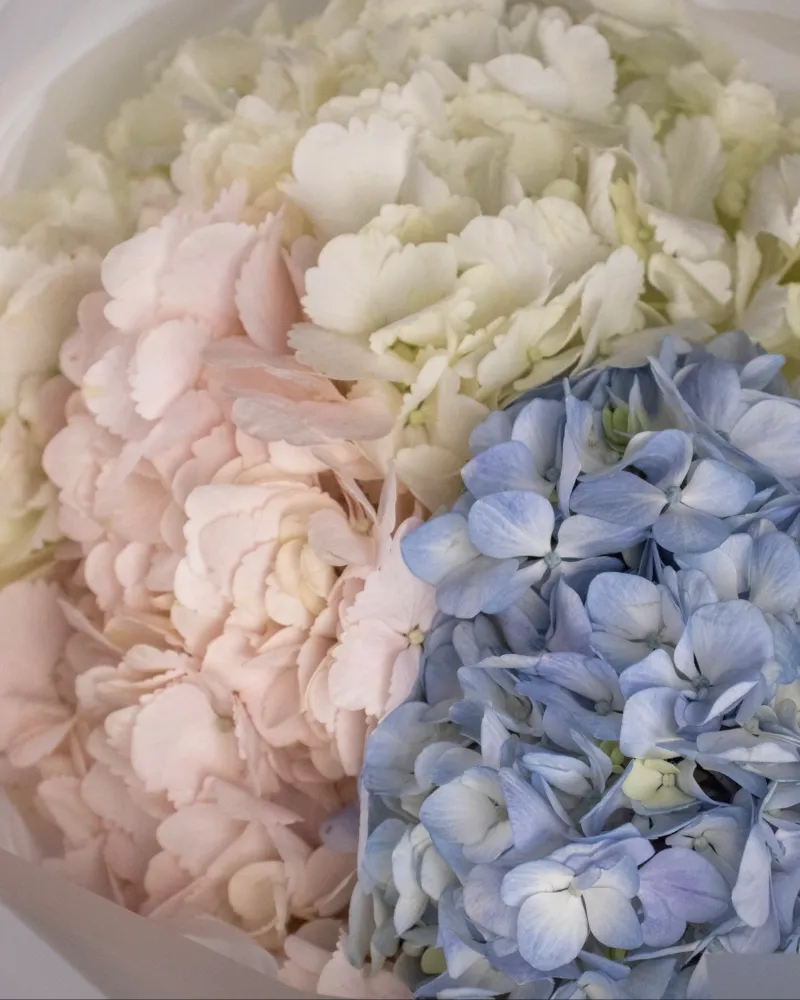
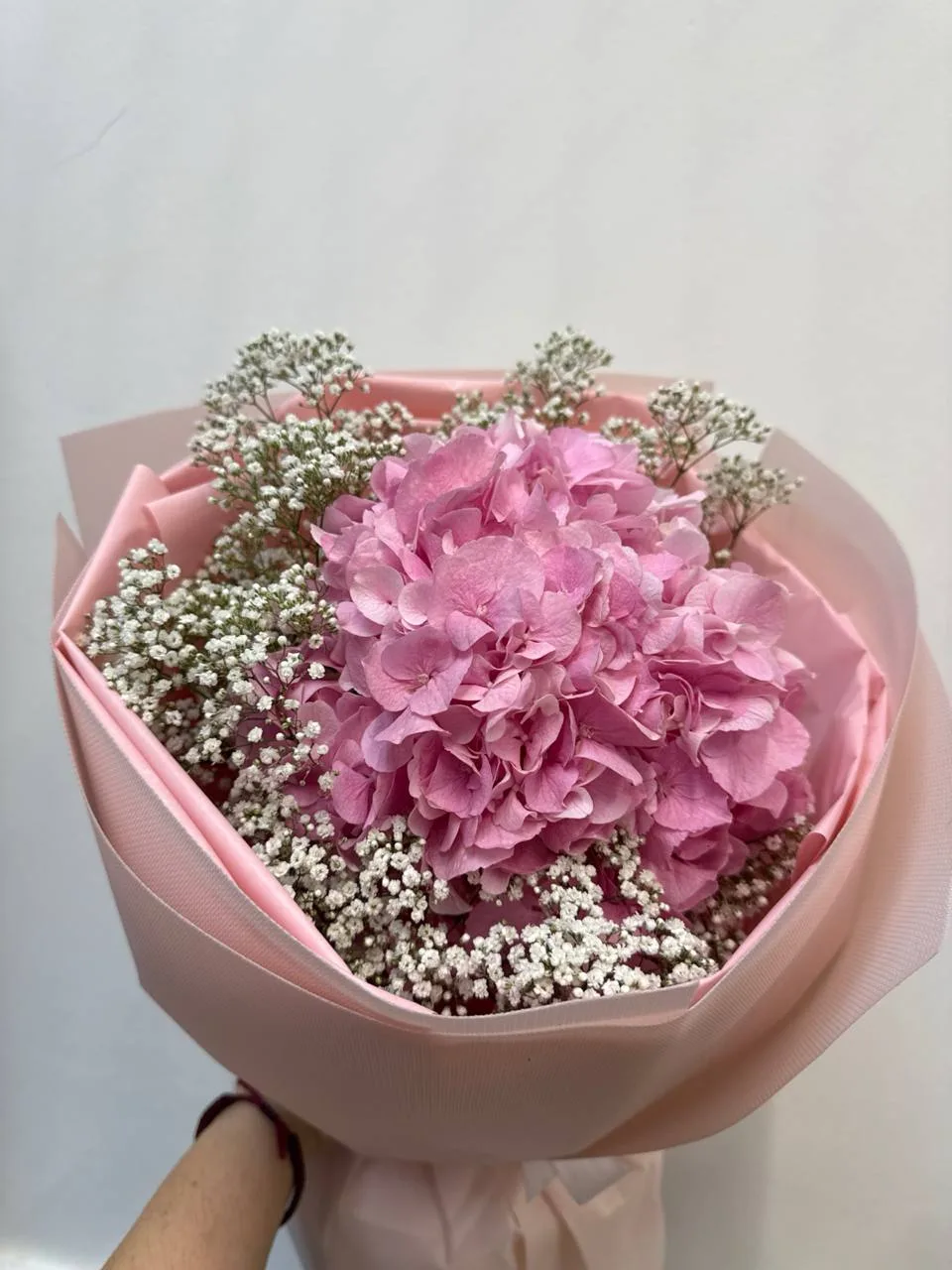
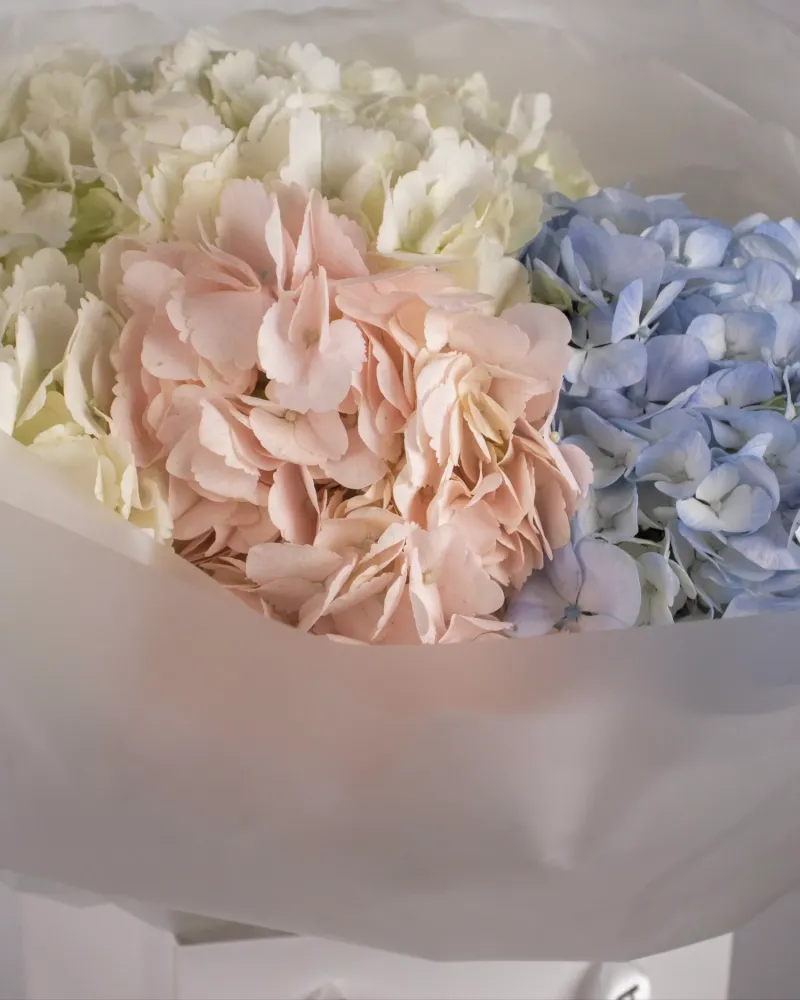
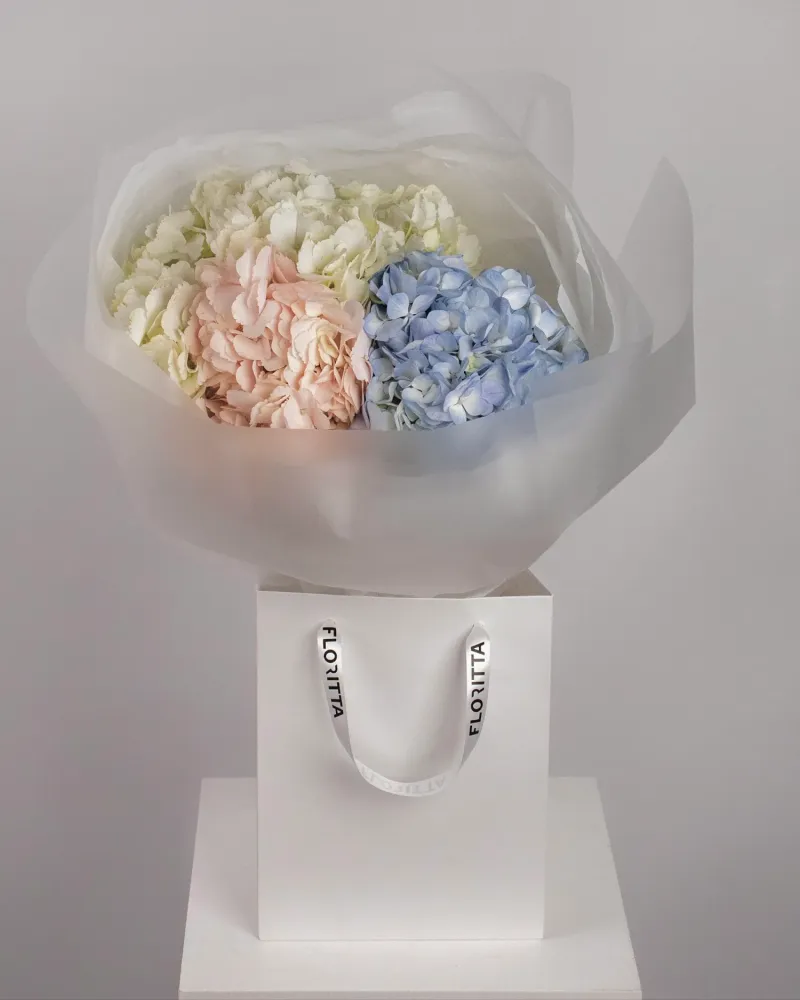
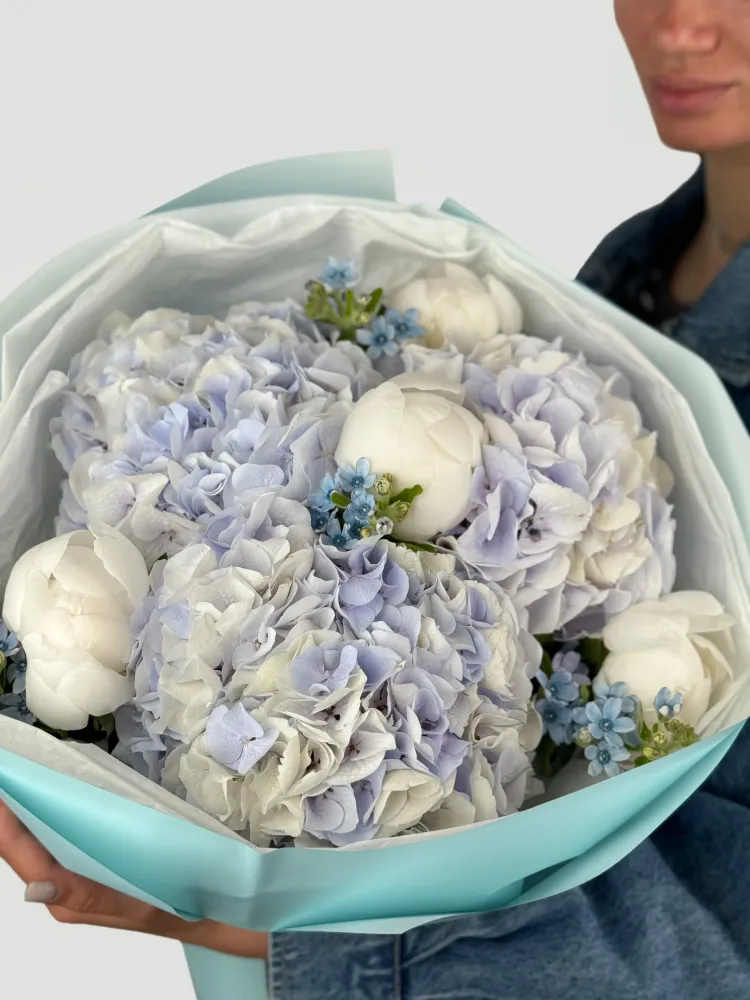
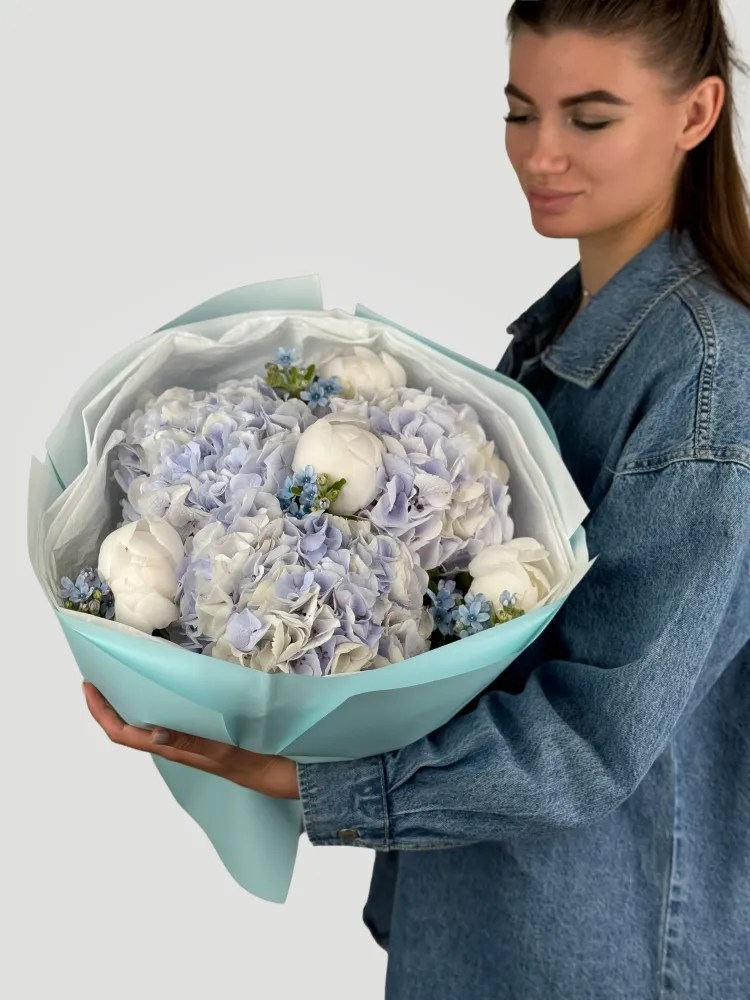
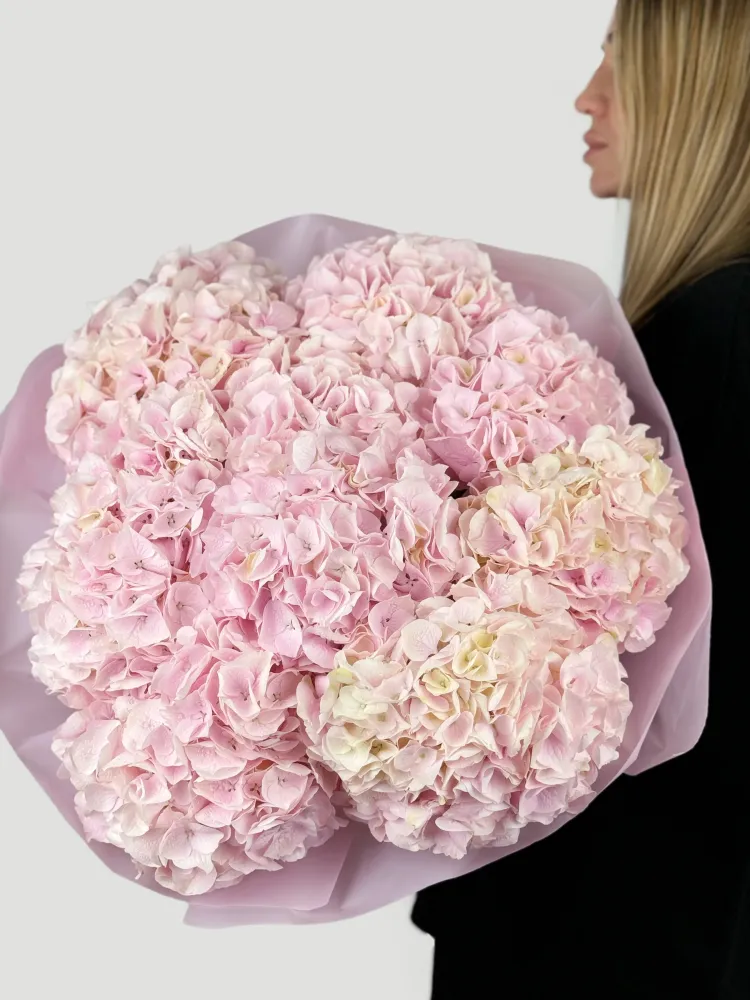
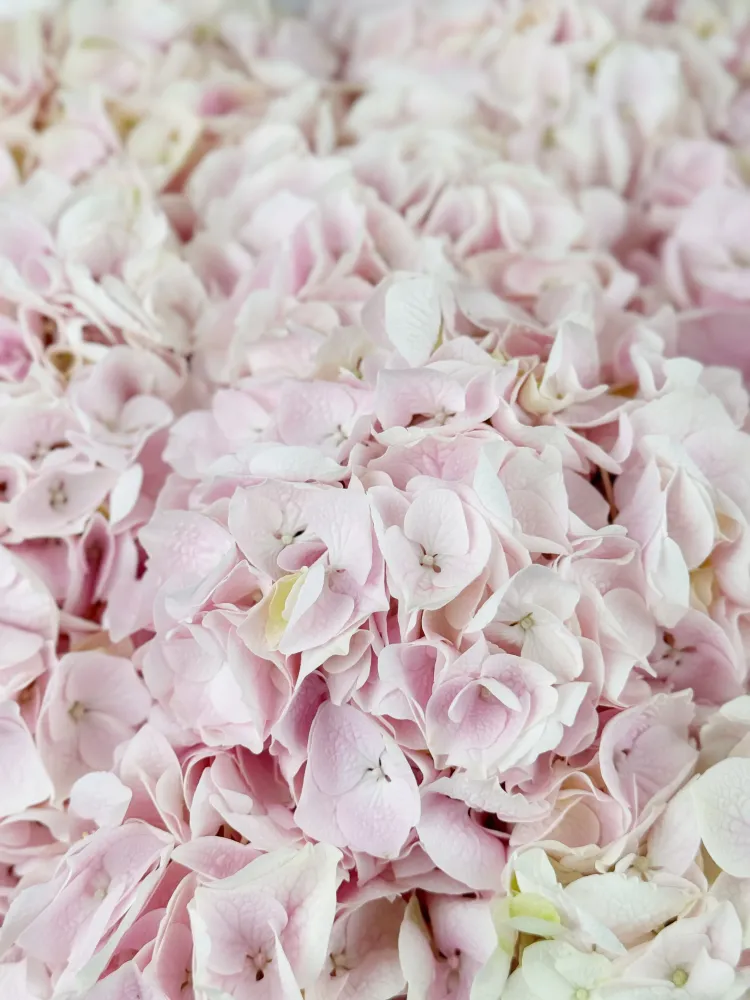
Hydrangeas drink through their petals as well as their stems, which is unusual, and it is the reason they collapse in a warm room faster than anything else with a head that size. Once wilted they are not dead, and that is the part most people do not know.
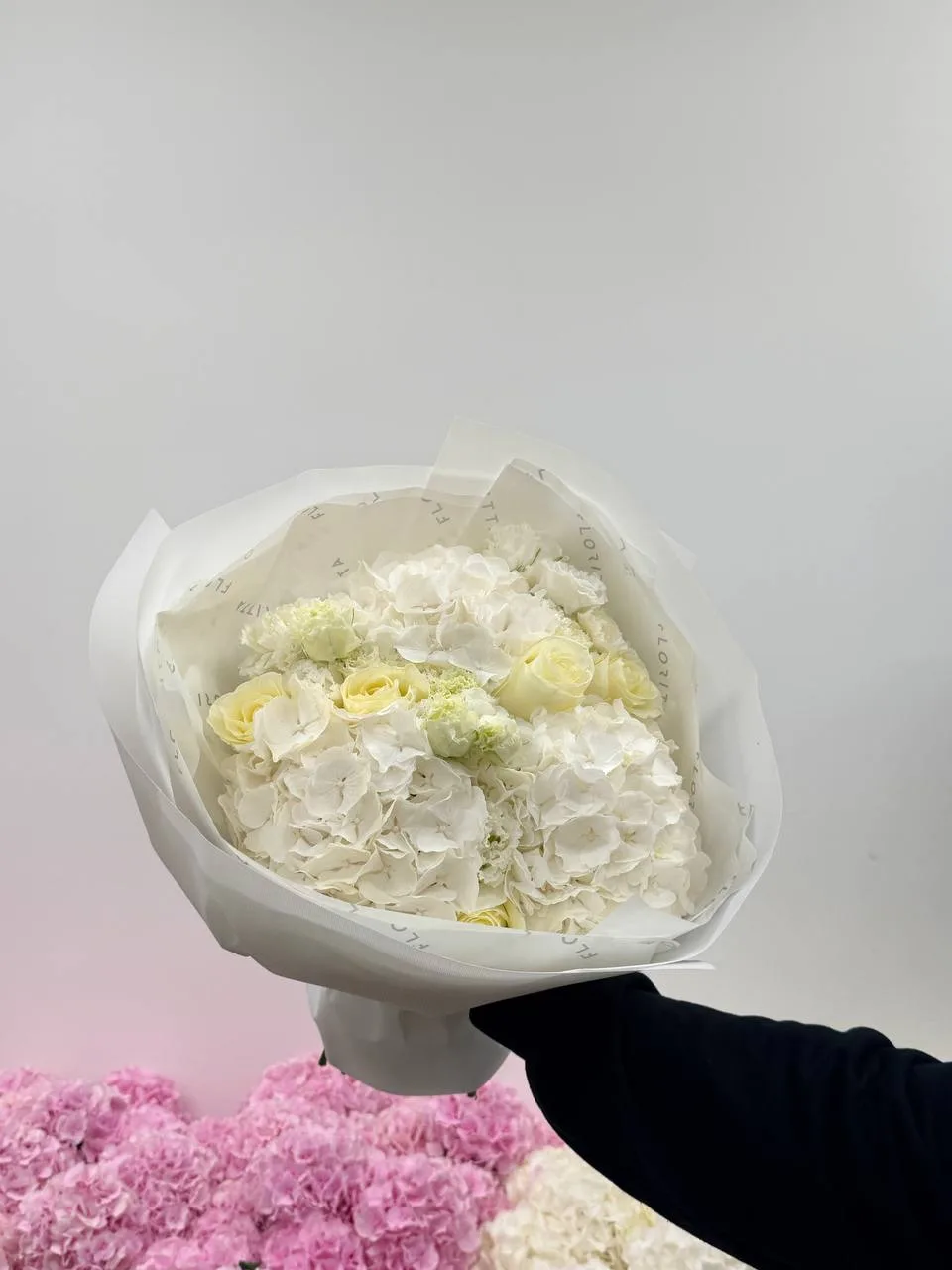
Submerge the whole head — flower and all — in a sink of cool water for twenty to thirty minutes, recut the stem under water, and put it straight back in a deep vase. A head that looked finished will usually come back within the hour. It works twice, sometimes three times, and it is the single most useful thing to know about summer flowers. The range is in hydrangeas.
Which July flowers actually cope with the heat?
Sunflowers, alstroemeria, lisianthus, chrysanthemums, carnations, gladioli, statice and amaranthus are the reliable ones, and among the seasonal British material achillea, scabious, snapdragons and grasses hold up best. Lilies are excellent in the heat but open faster in it, so a July lily bought in bud will be fully open in two days rather than four.
The flowers that struggle are the ones people want most in July: dahlias, sweet peas, garden roses and hydrangeas. None of that is a reason to avoid them — it is a reason to keep them out of a car, out of direct sun and out of the kitchen. Ripening fruit gives off ethylene, and a bowl of it will finish a July bunch days early. The numbers are in how long flowers last.
What should you send in a heatwave?
A plant, or a bouquet built from the heat-tolerant list above, delivered to somewhere that will be occupied. The failure in July is almost never the flowers; it is a bouquet left on a doorstep or behind a concierge desk for six hours at thirty degrees. If nobody will be in, a delivery to a workplace on a weekday is a better bet than a weekend delivery at home.
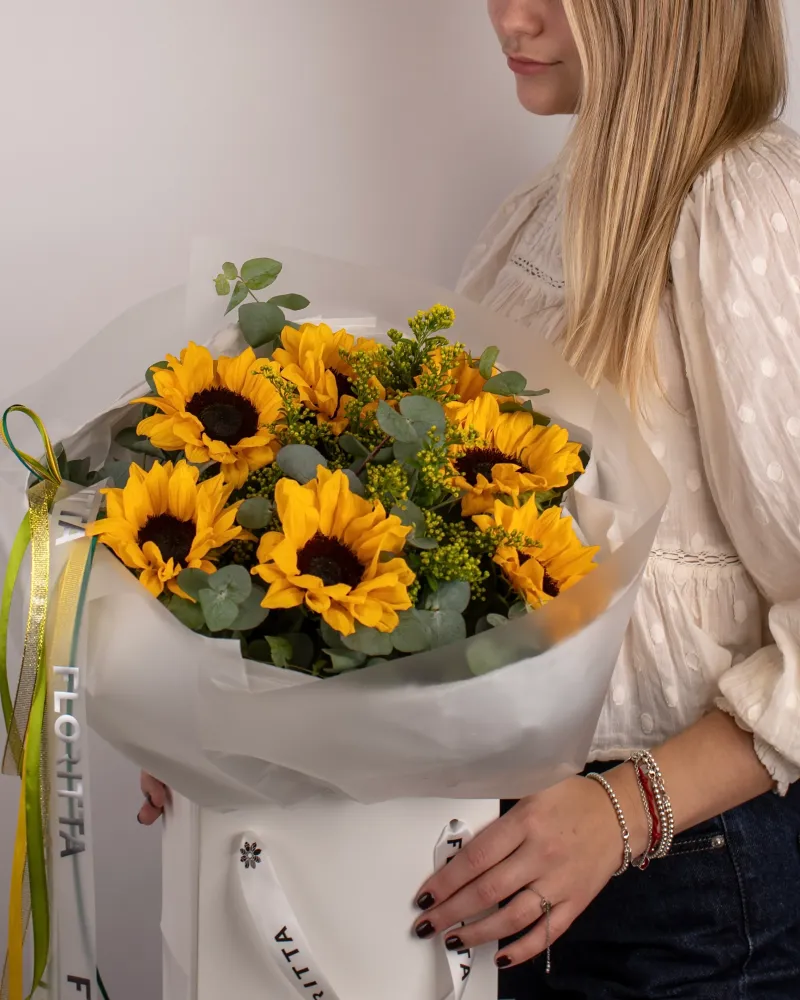
Potted plants are the honest answer to a hot flat and they last months rather than days — those are in plants. Sunflowers are the other one that simply does not mind, which is a large part of why they are the flower of a British summer.
Is lavender worth ordering in July?
British lavender is harvested in July, and it is the only month when it can be had freshly cut here rather than dried. It has almost no vase life as a cut flower — a few days at best — and that is not what it is for. It is for scent and for drying, and a July bunch hung upside down in a dark, airy place will keep its colour and its smell into the winter.
The same is true of the other July flowers worth drying: statice, achillea, amaranthus and grasses. Anything cut in a dry spell dries better than anything cut after rain.
When should you order in July, and what about weddings?
July is the second-busiest wedding month in Britain after June, and the difference for a July date is that the brief can be far more adventurous: dahlias, agapanthus, hydrangeas and grasses give a look that simply is not available in spring. Growers commit early for July as they do for June, so a wedding with a named variety in it — cafe-au-lait dahlias above all — wants confirming months ahead. See wedding flowers.
For ordinary orders none of that applies: we deliver across London seven days a week and take orders until 22:00 for the following day, and in July the flowers go out in the morning rather than sitting in a warm van. For the month just gone, see what is in season in June, and for the month ahead, what is in season in August.