 WhatsApp Chat
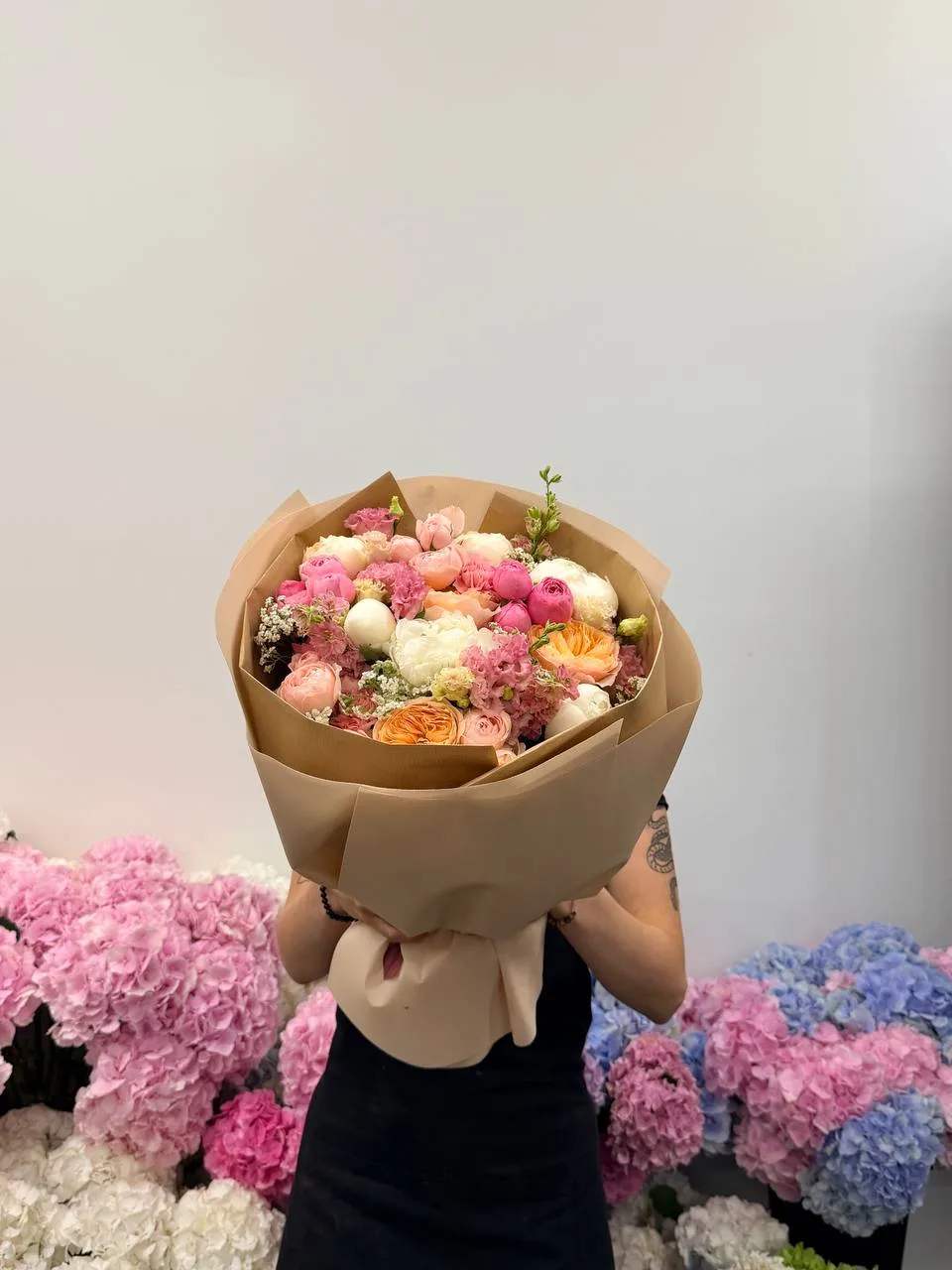
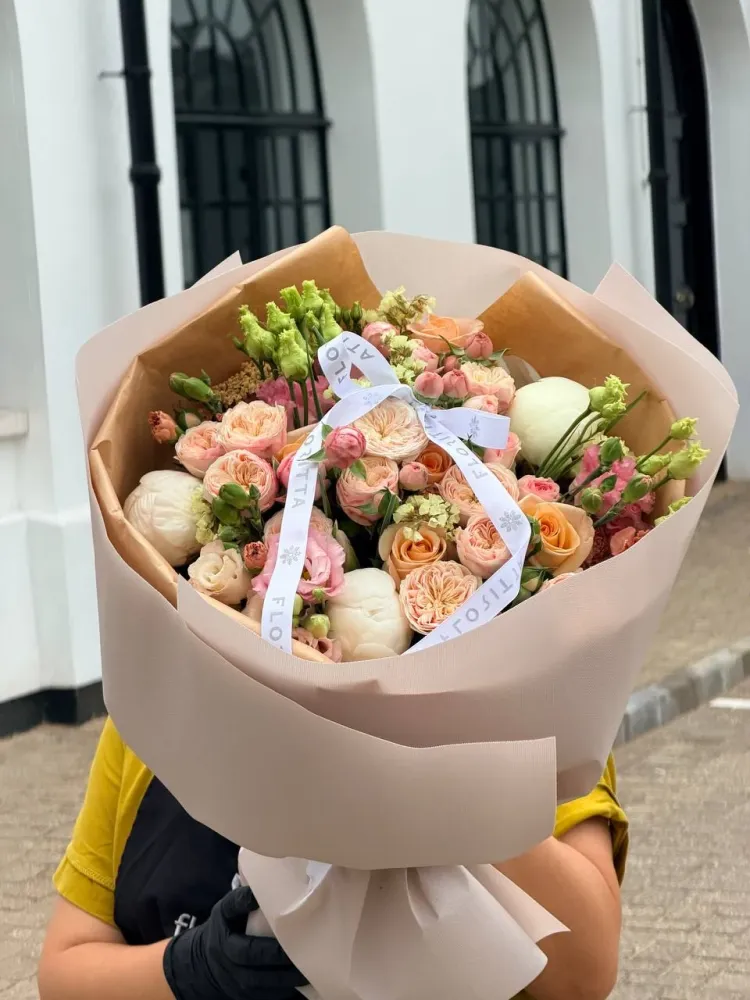
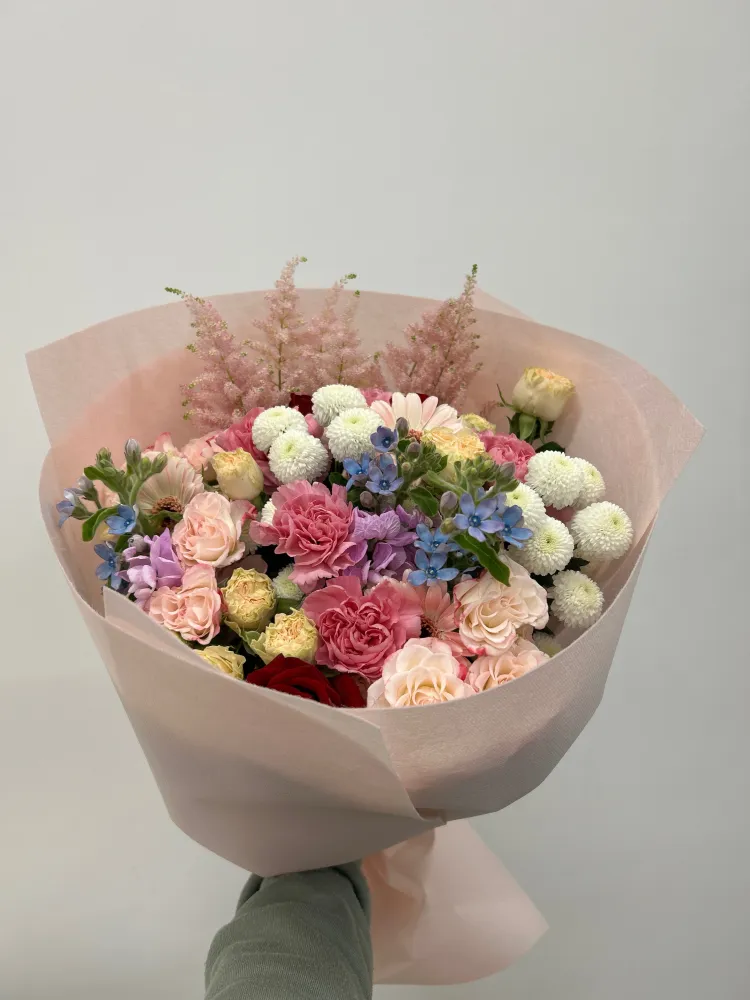

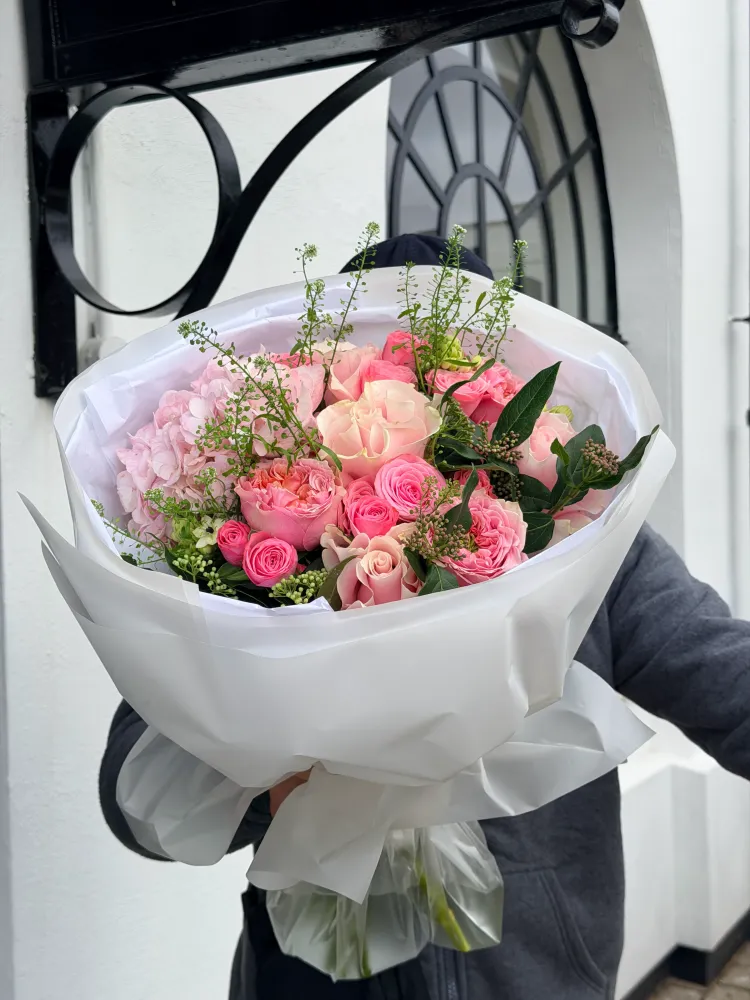
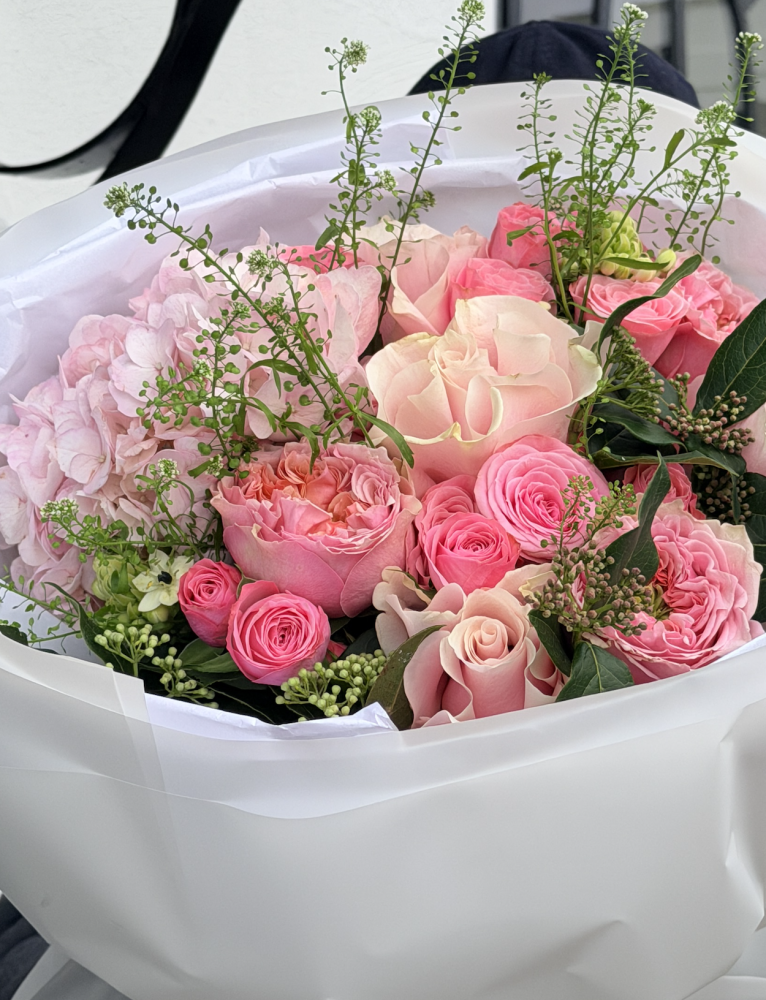
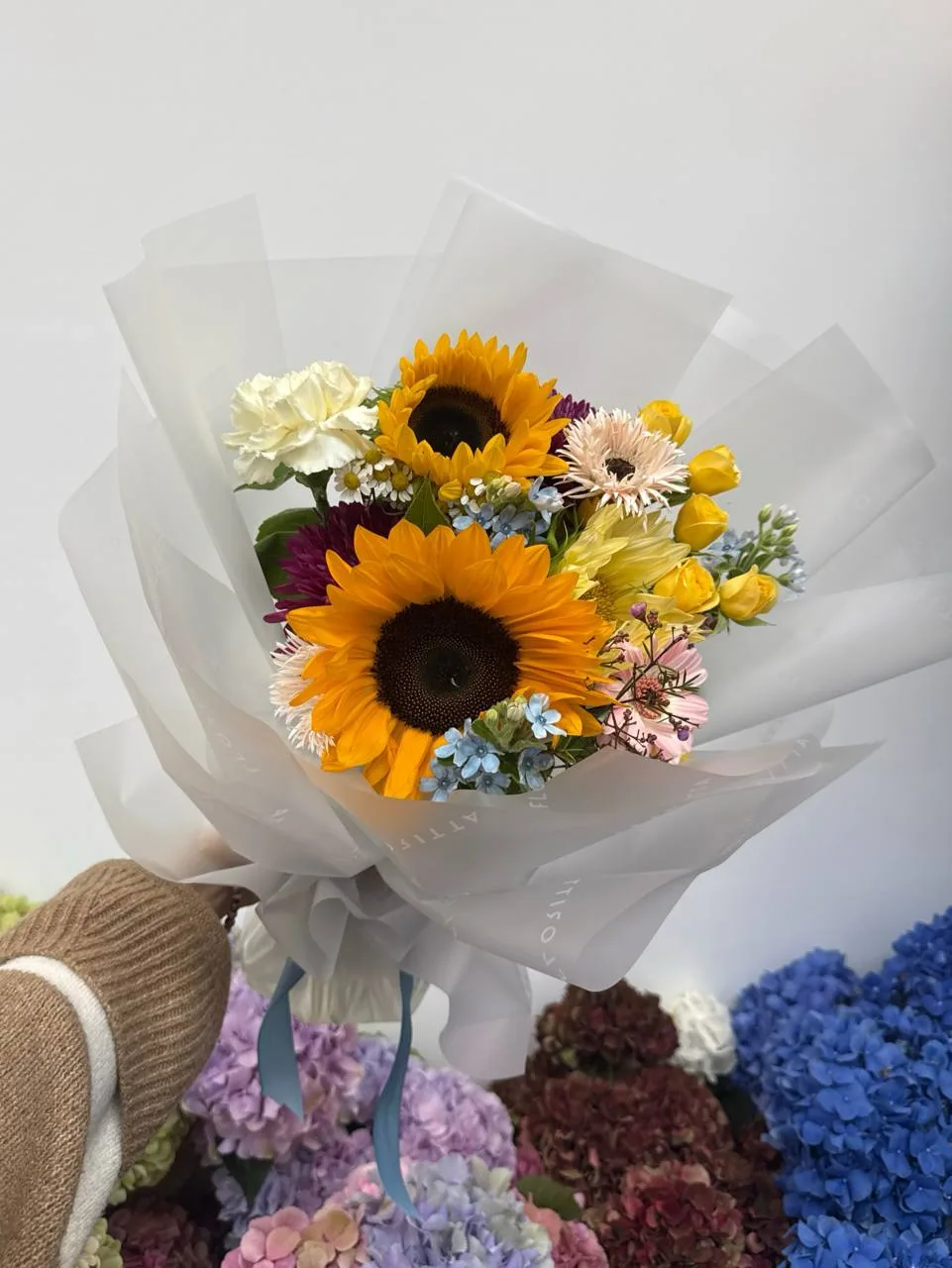
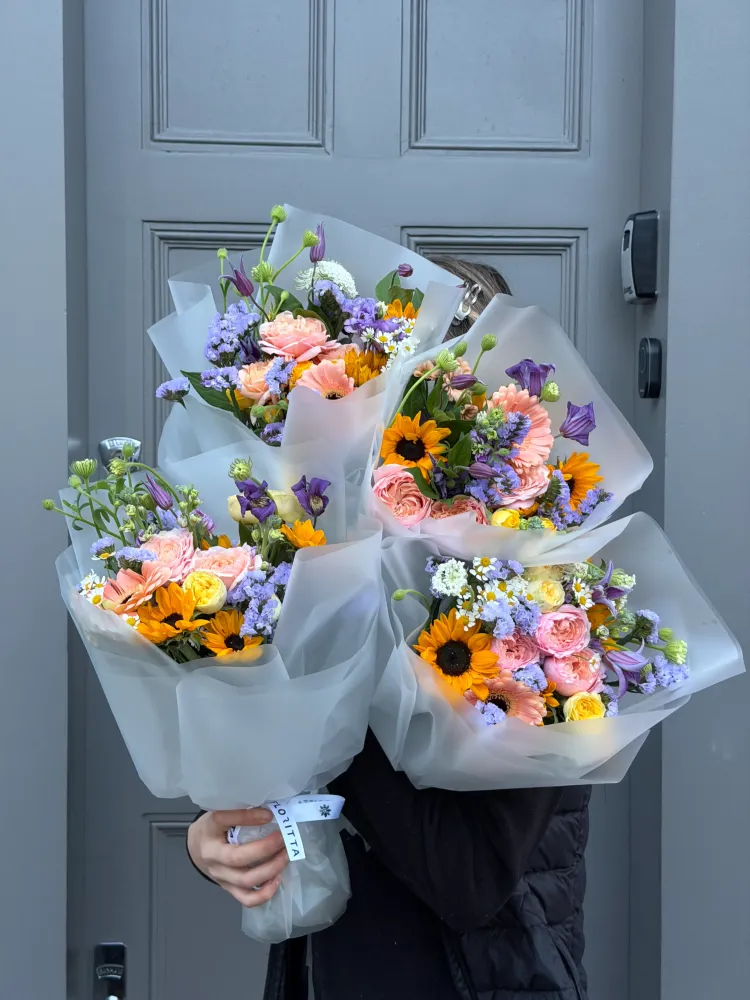
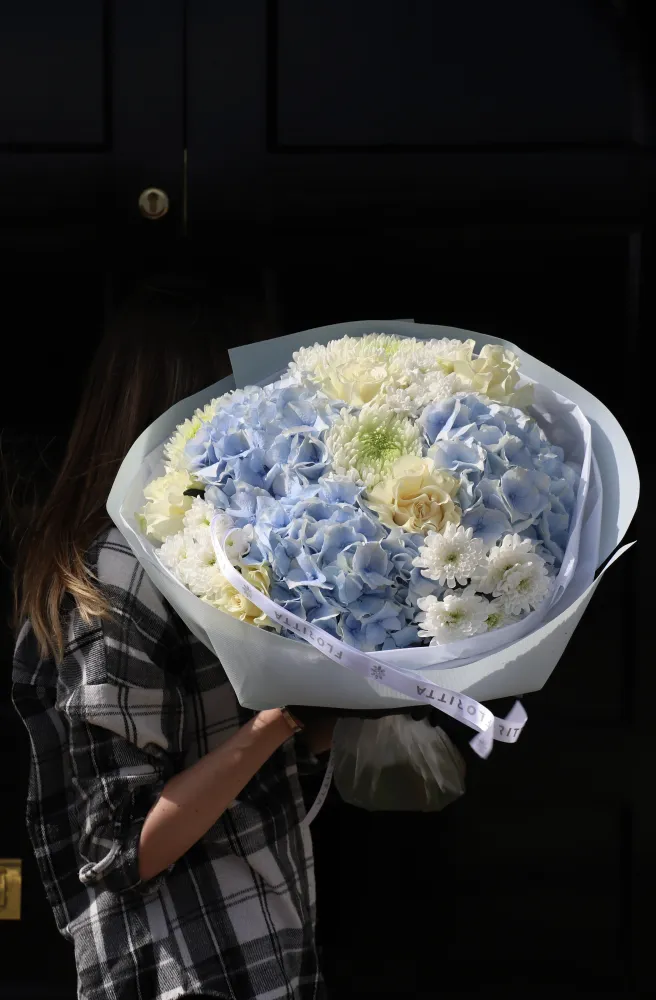
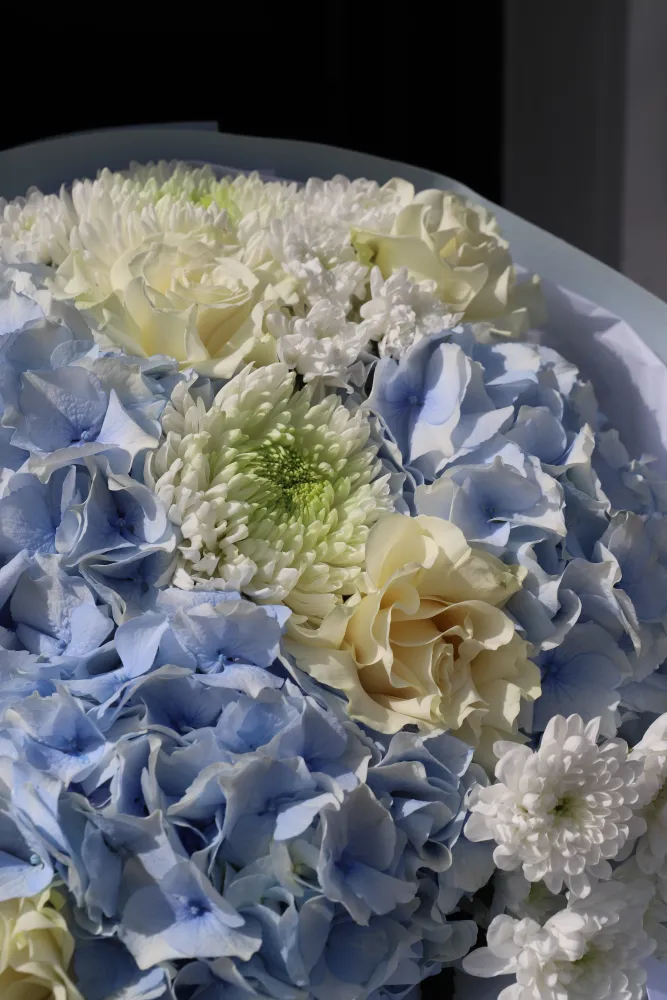
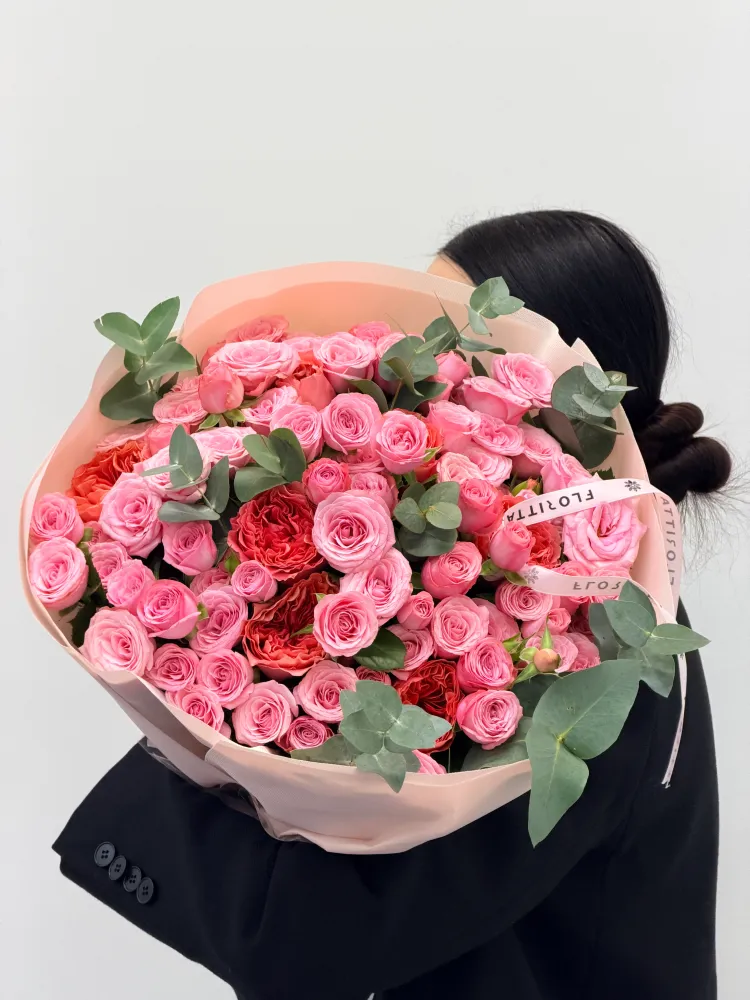
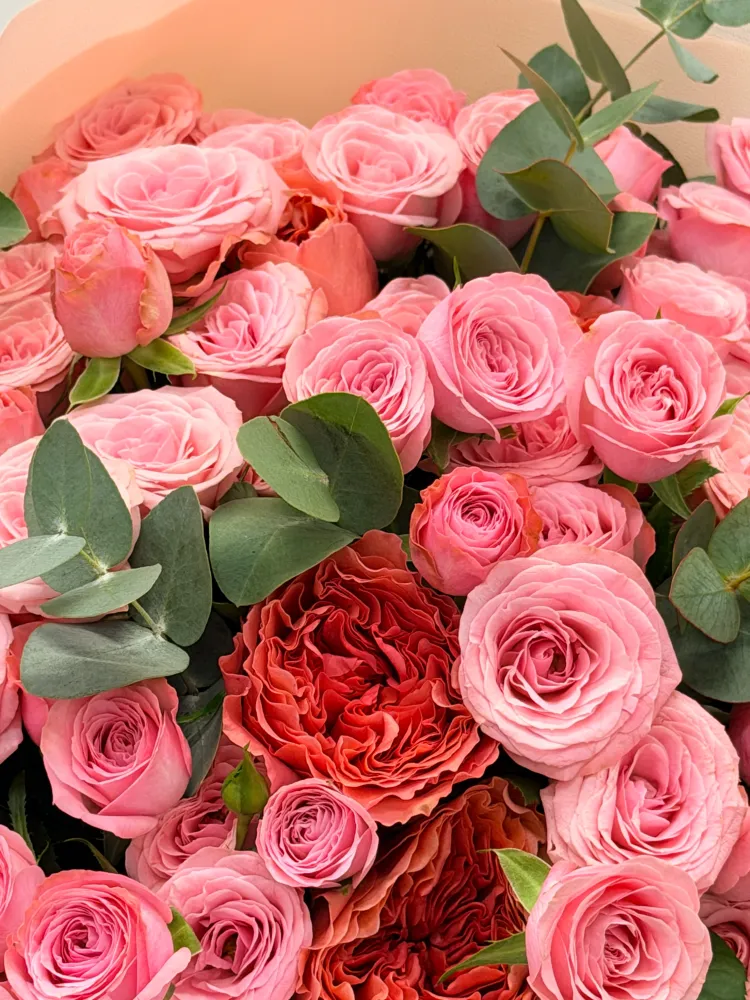
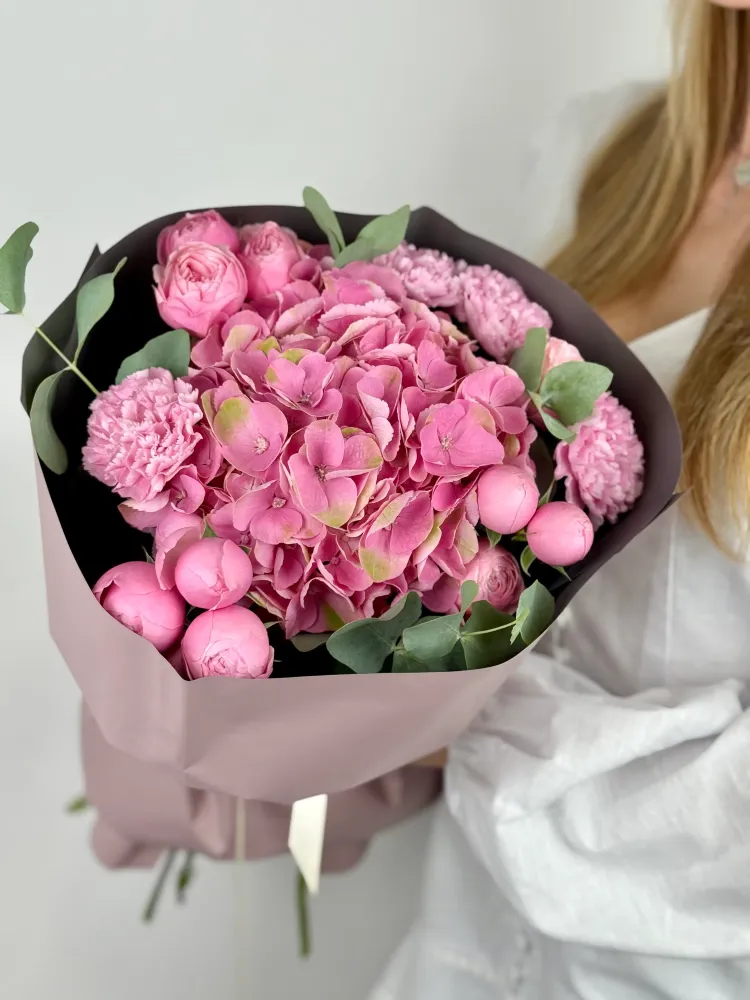
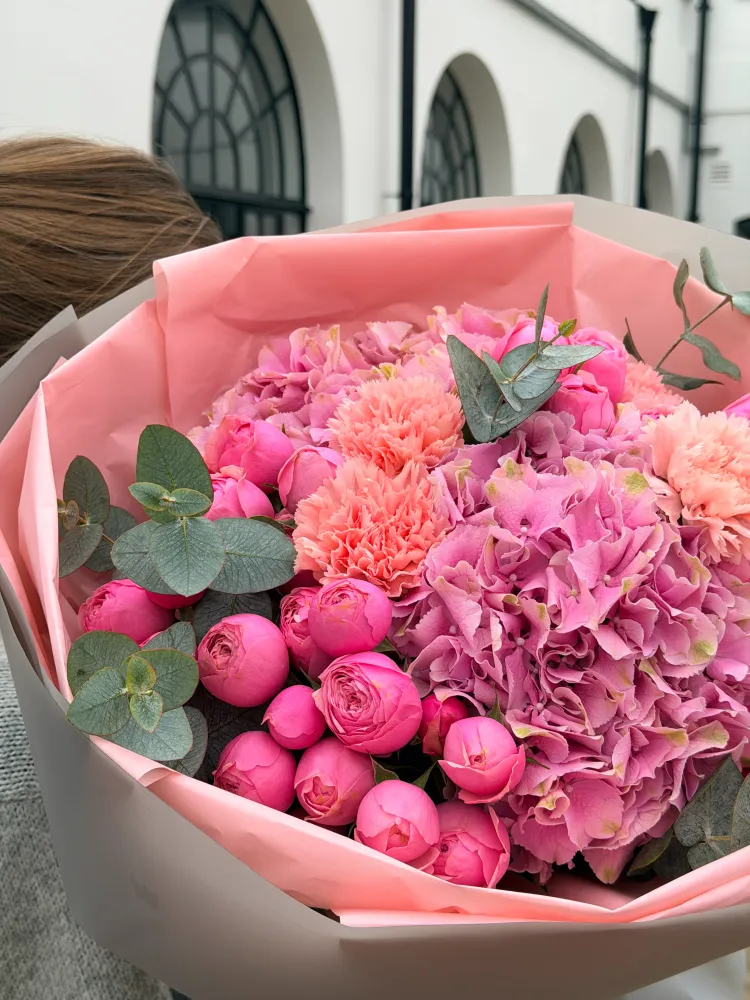
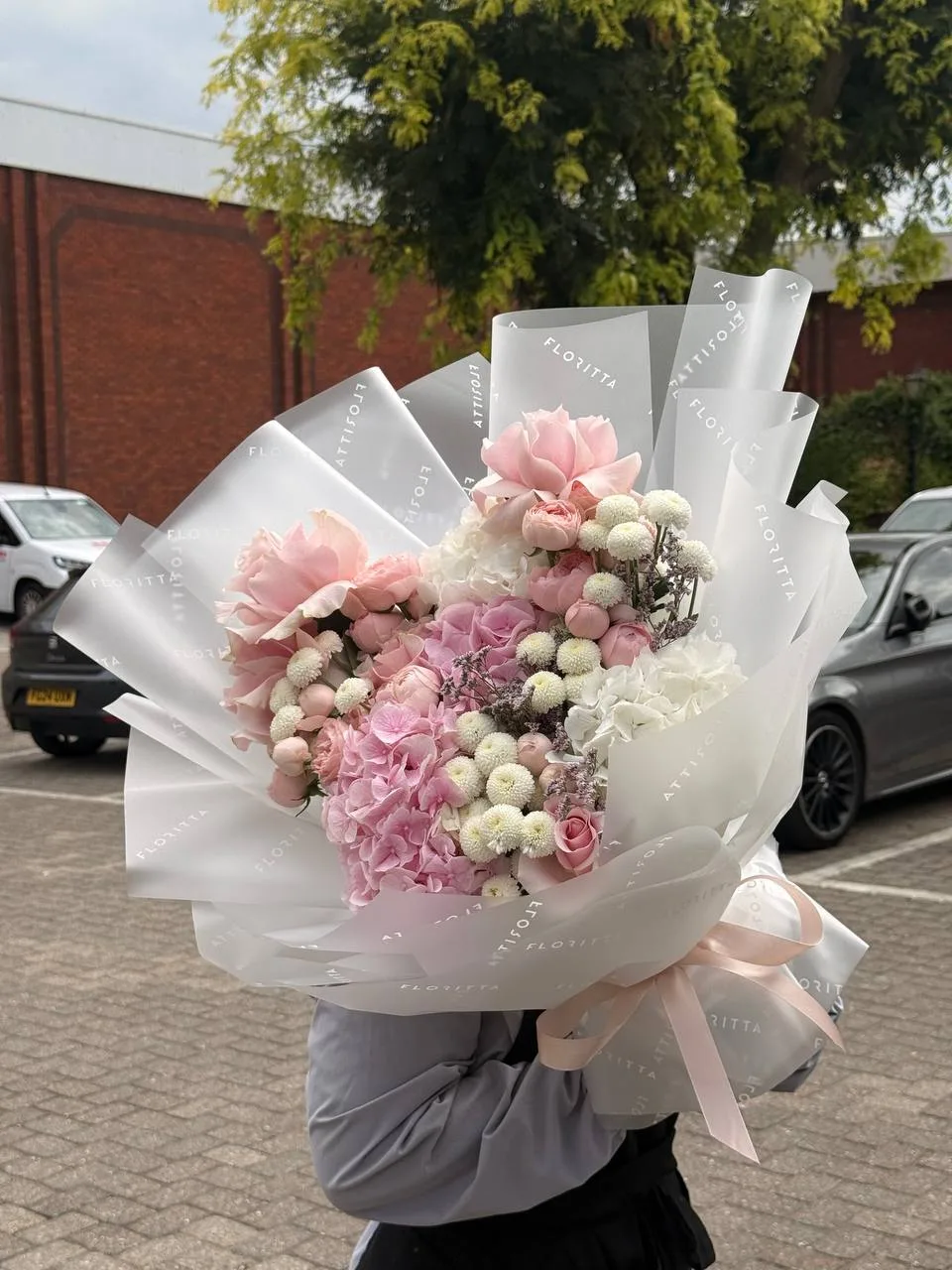
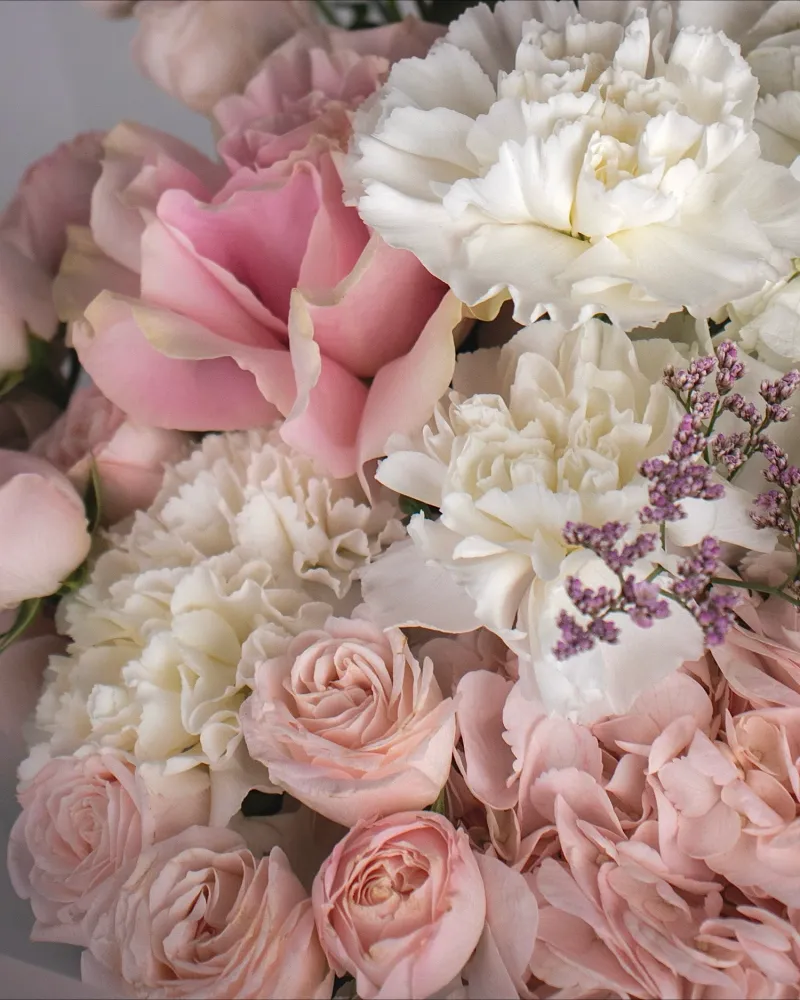
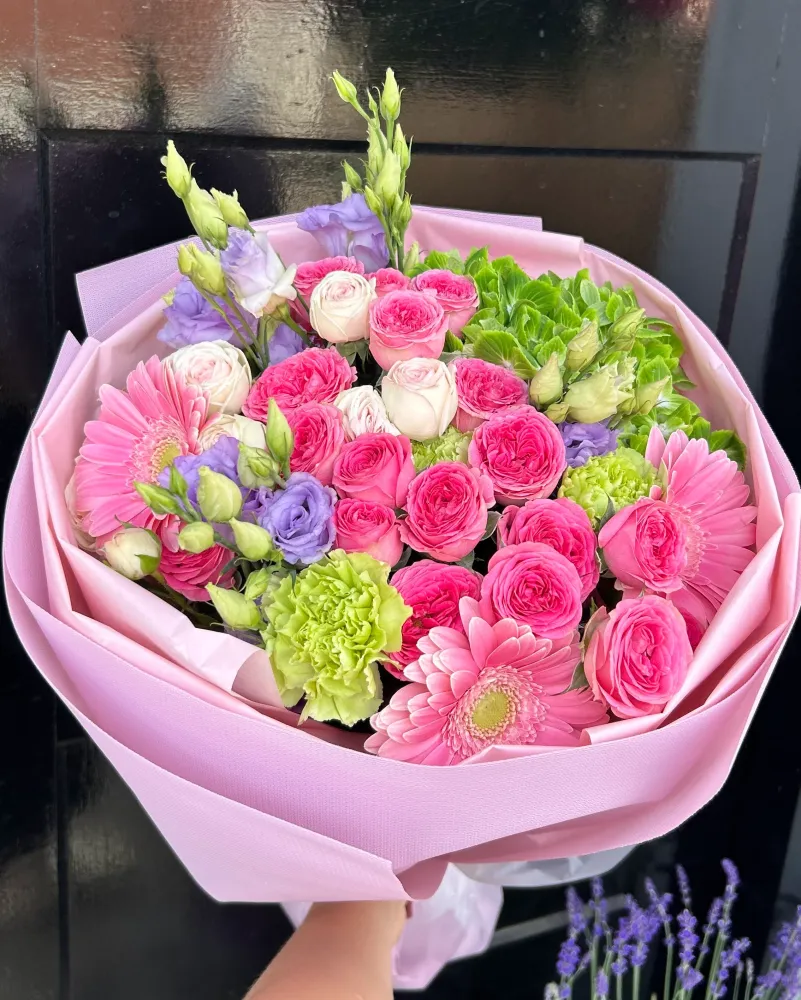
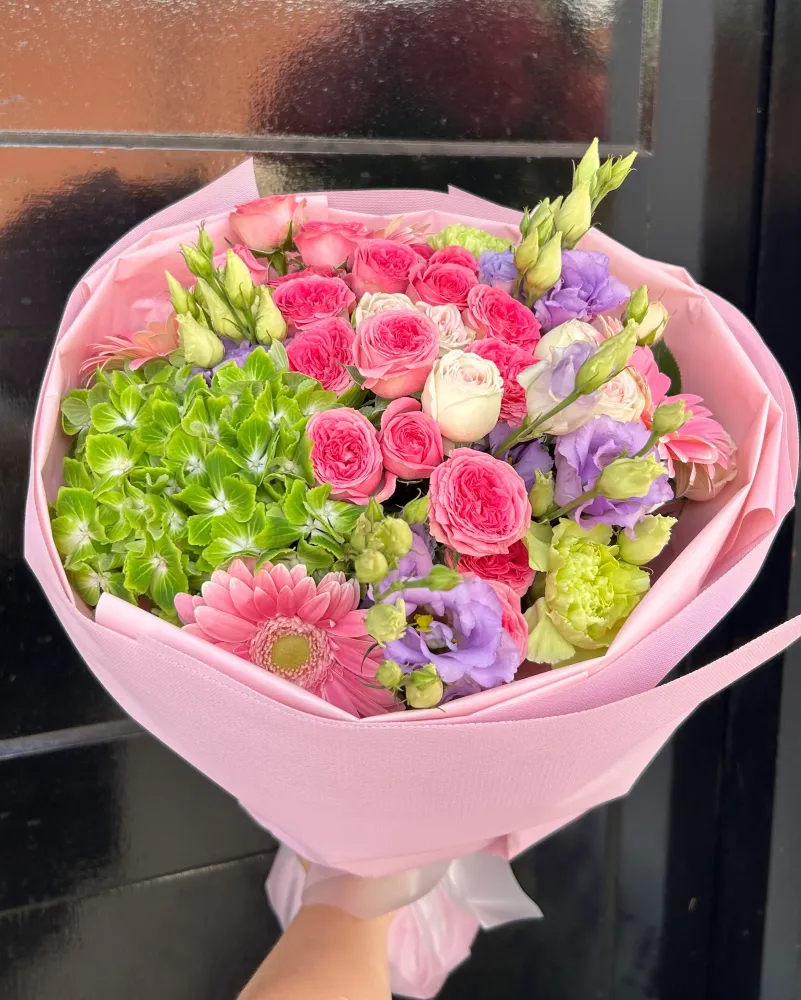
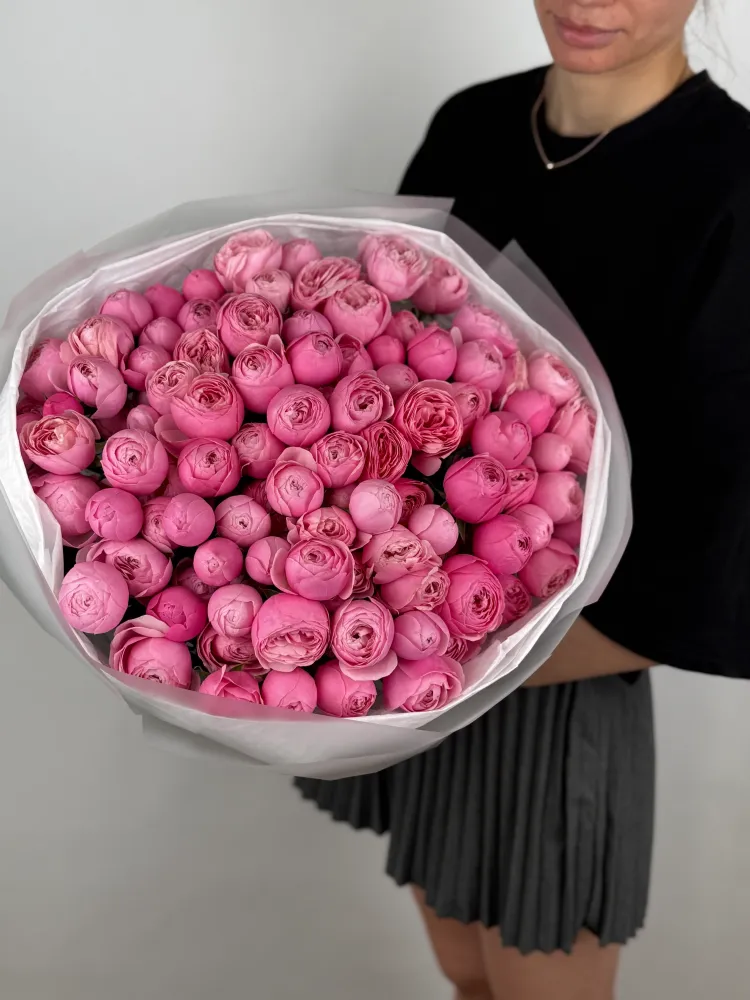
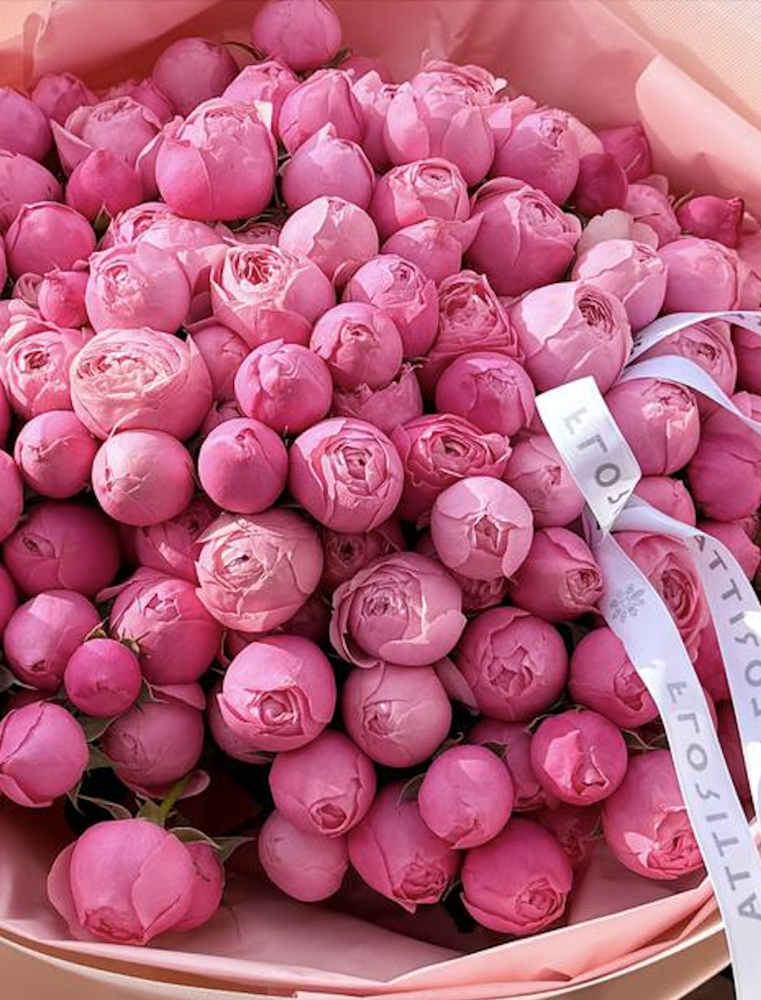
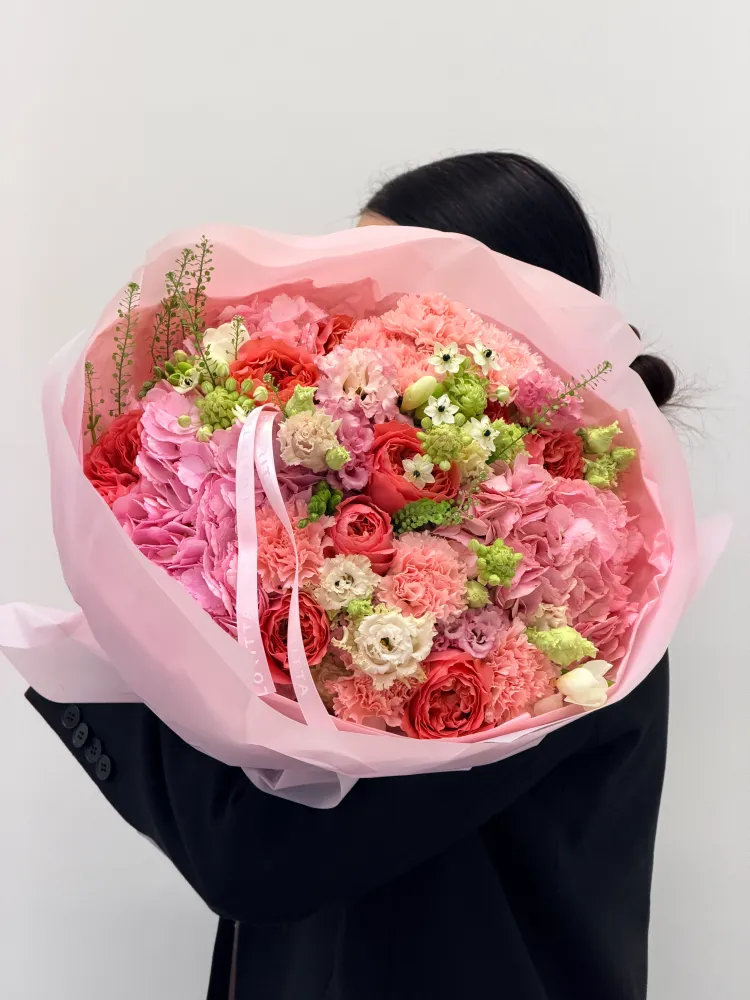
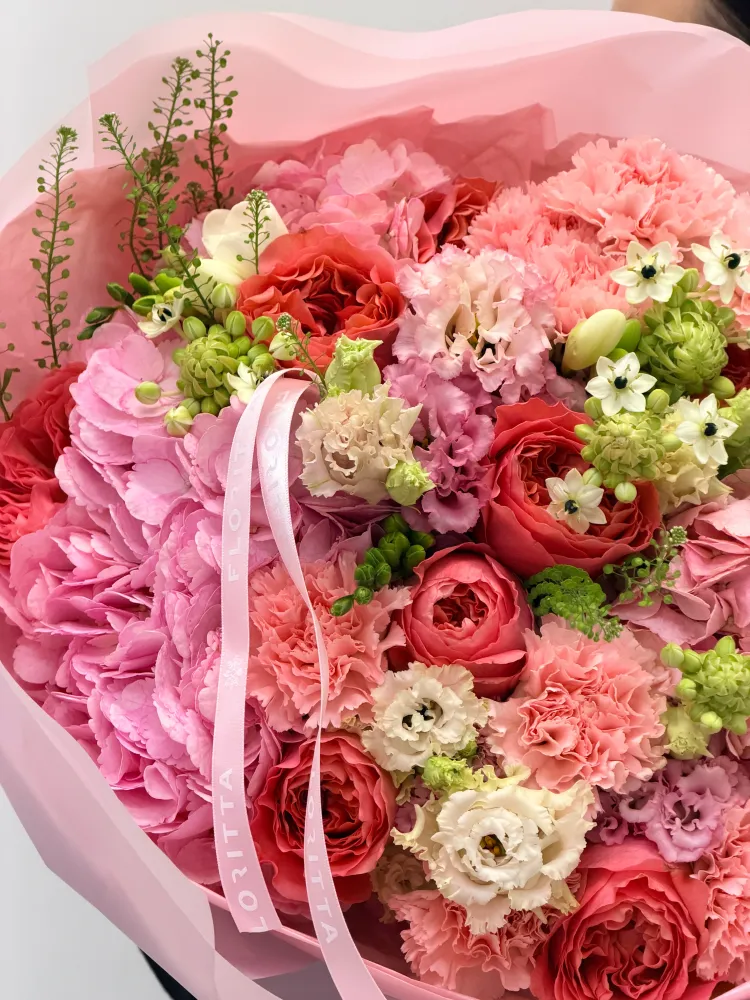
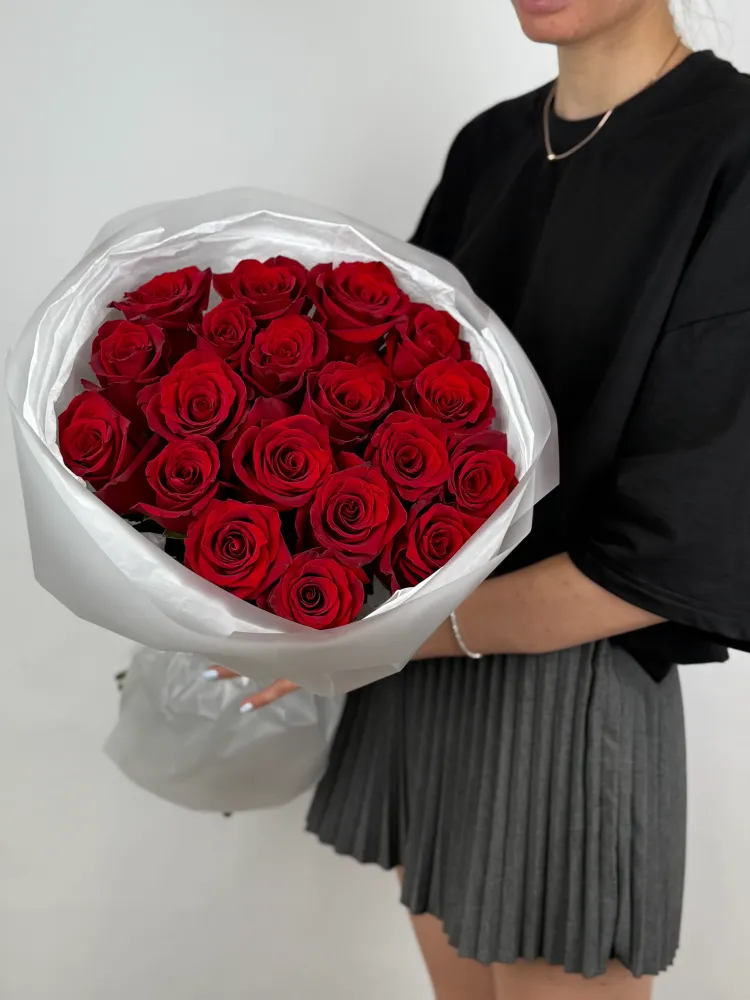
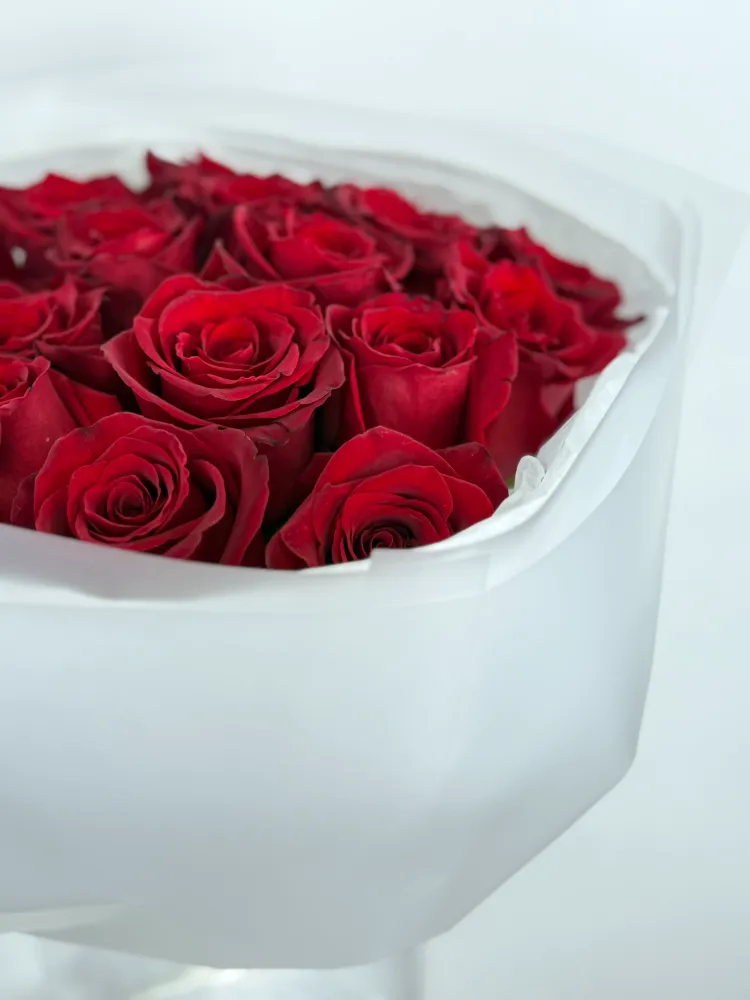
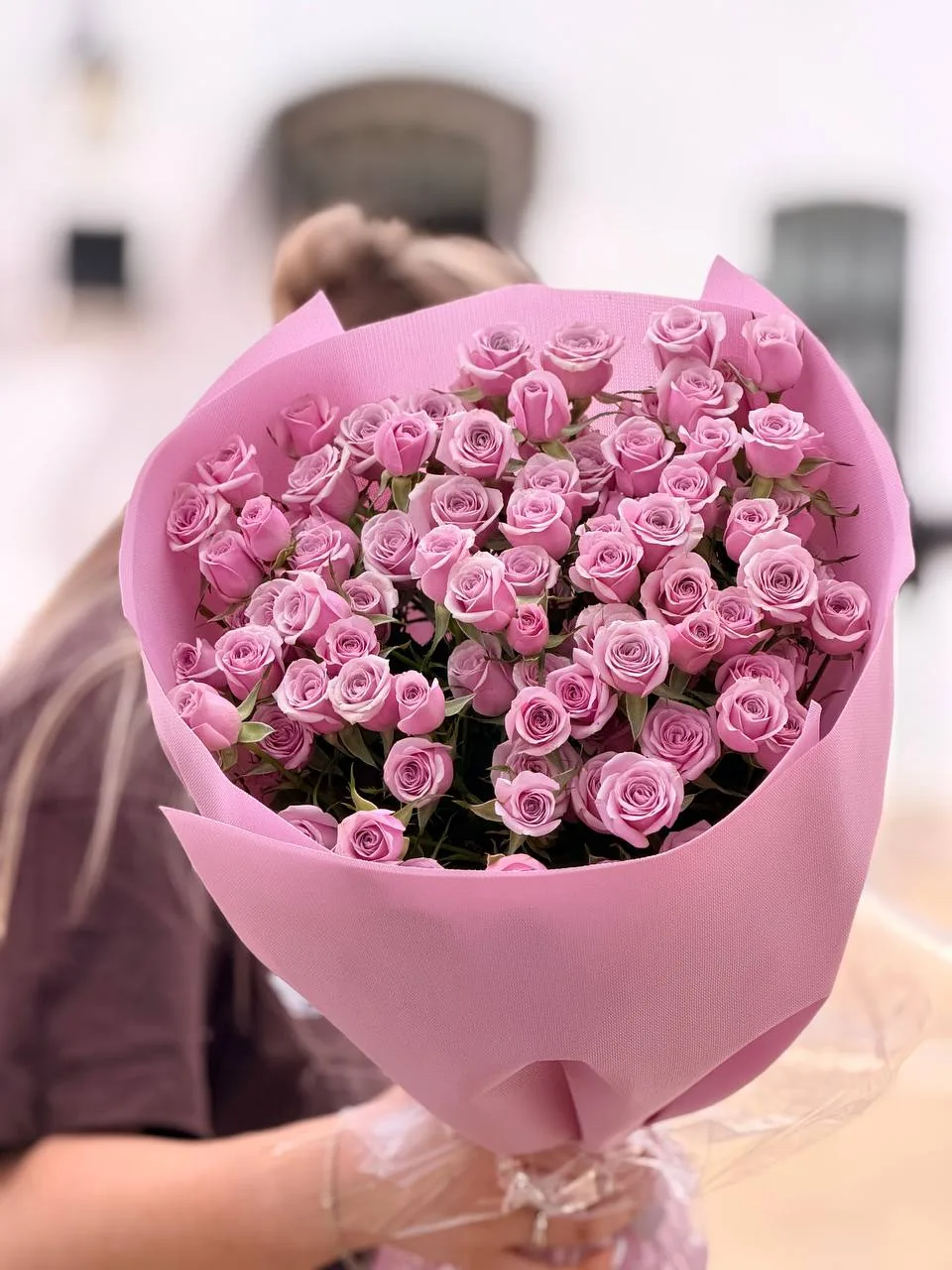
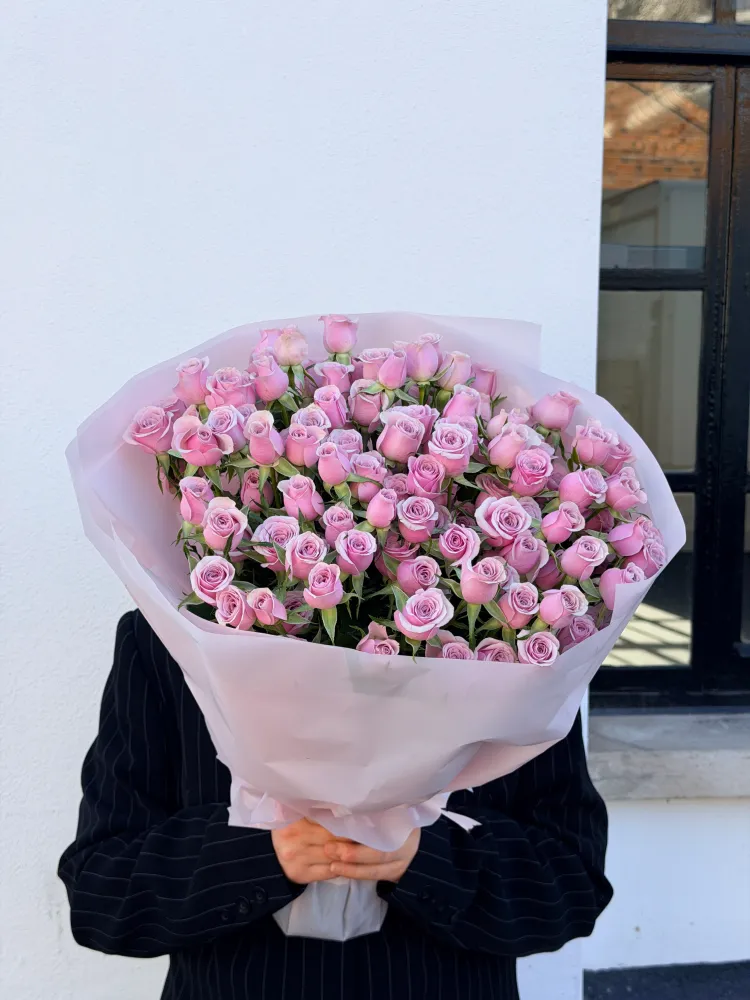
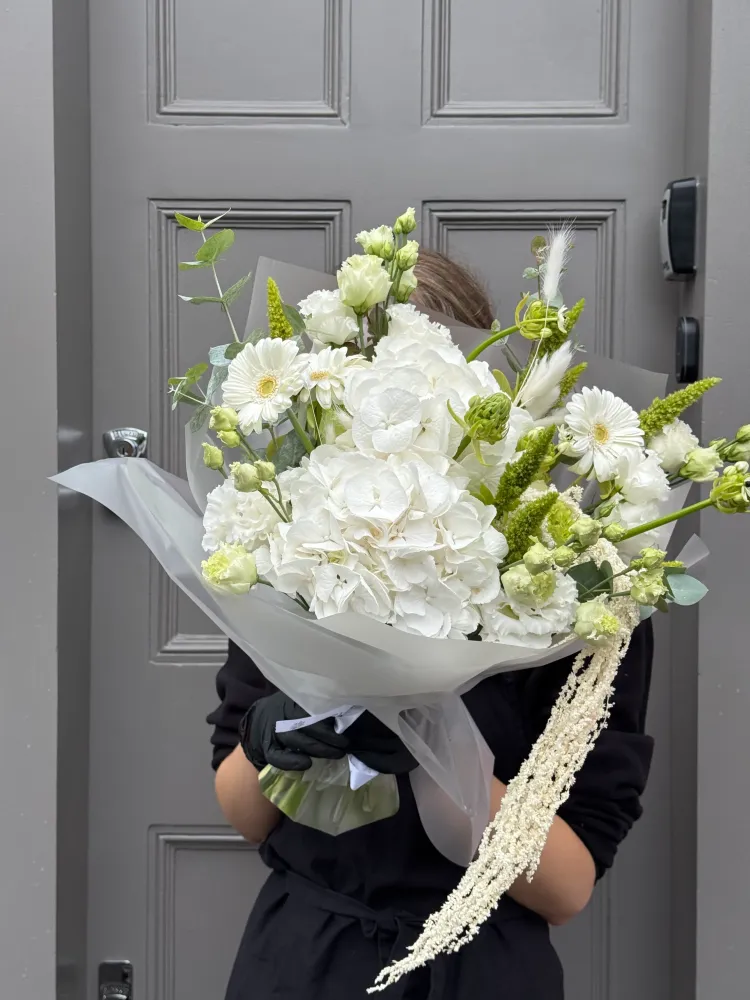
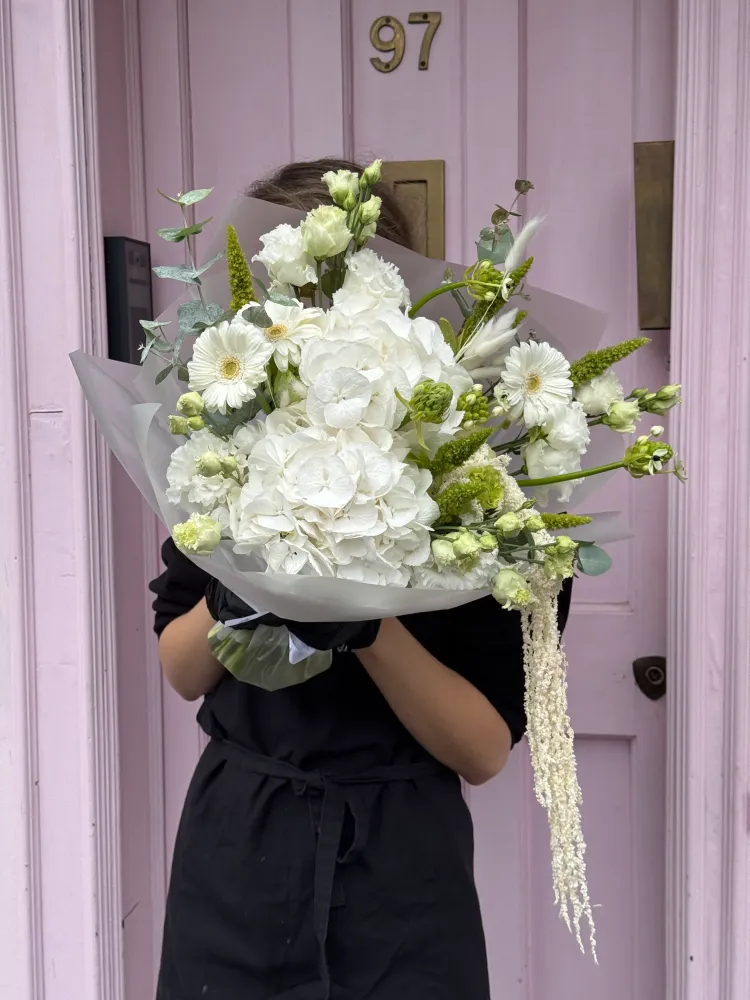
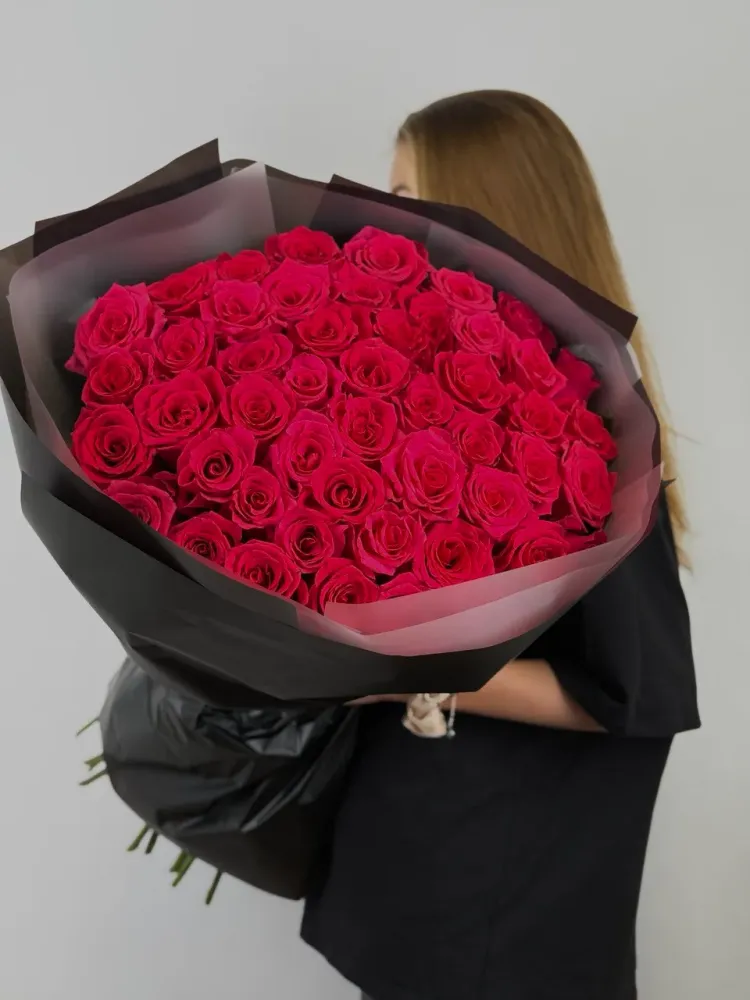
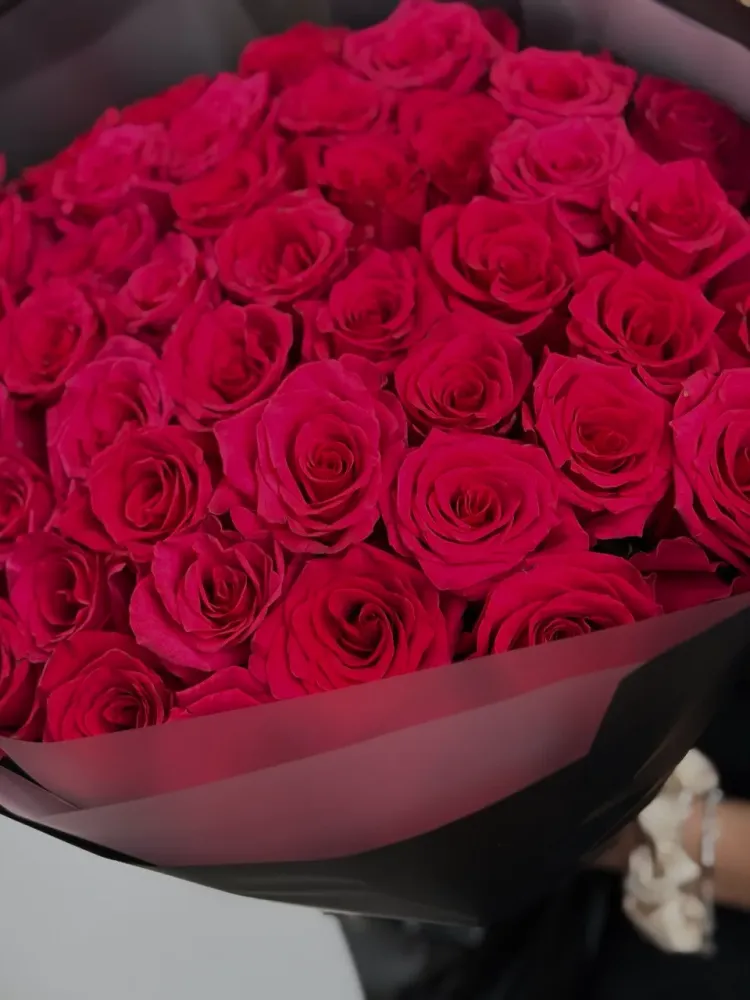
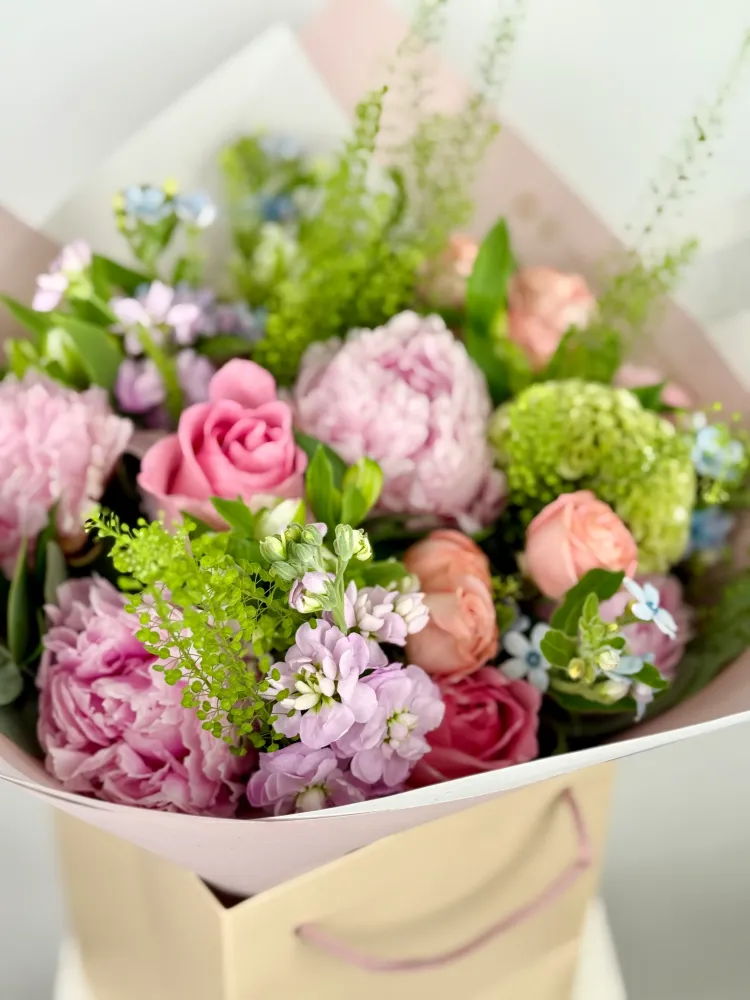
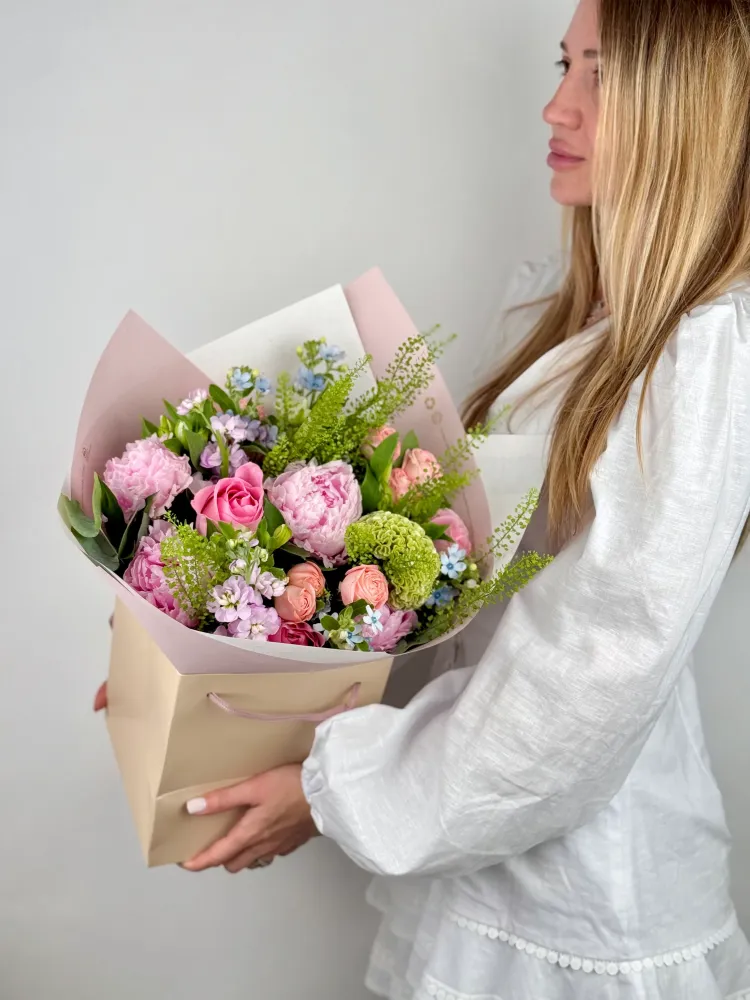
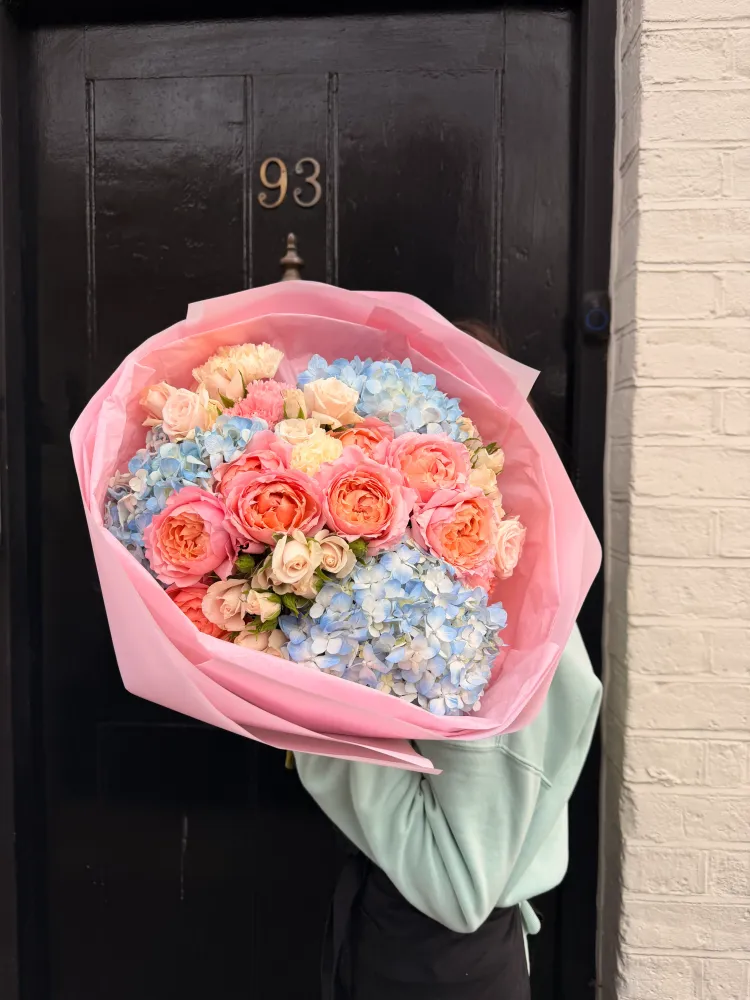
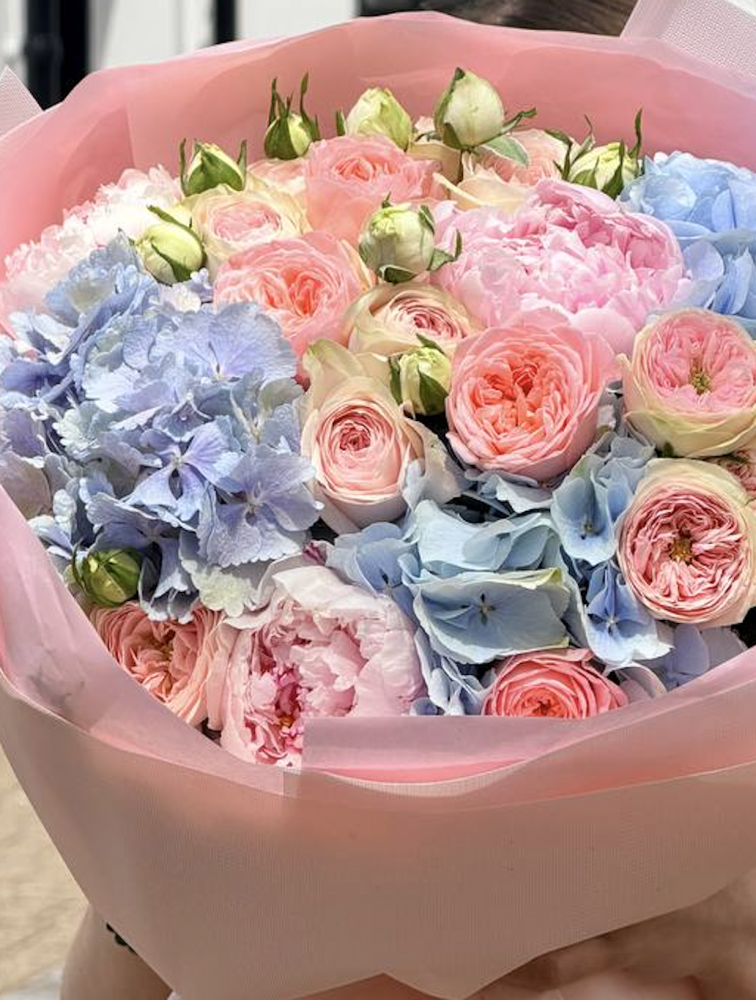
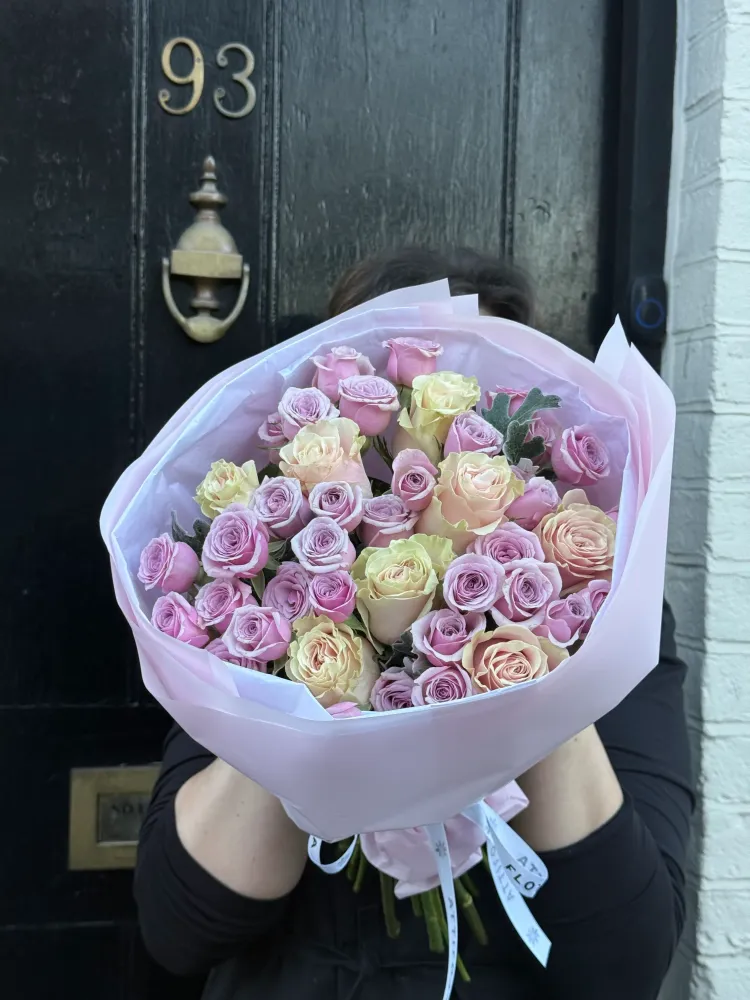
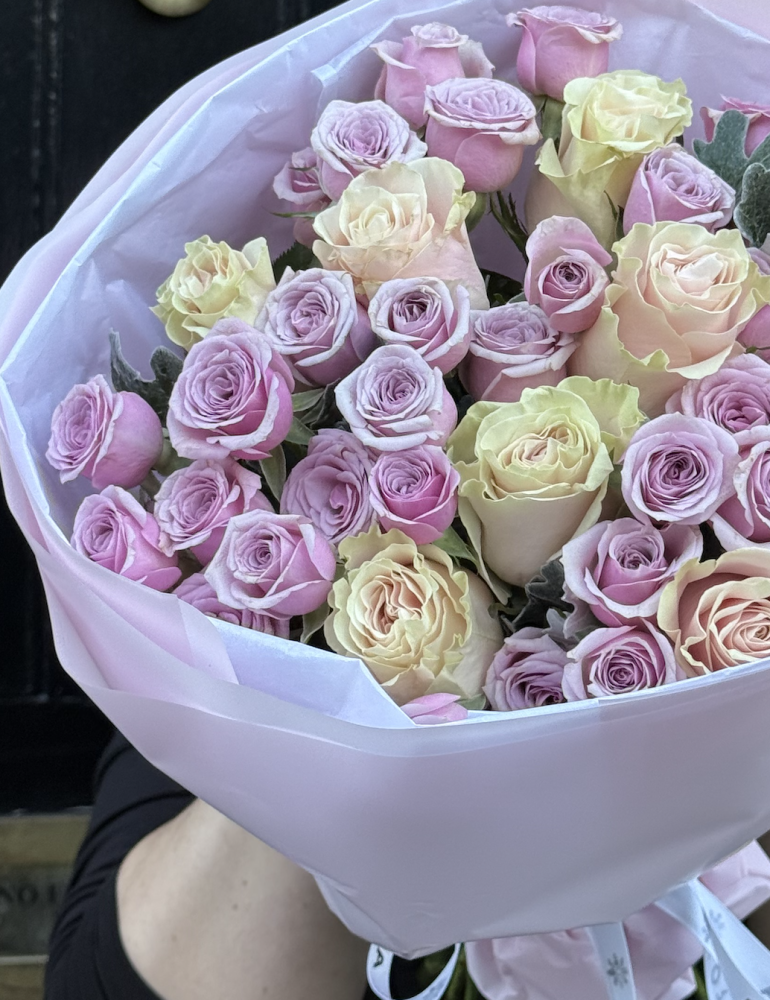
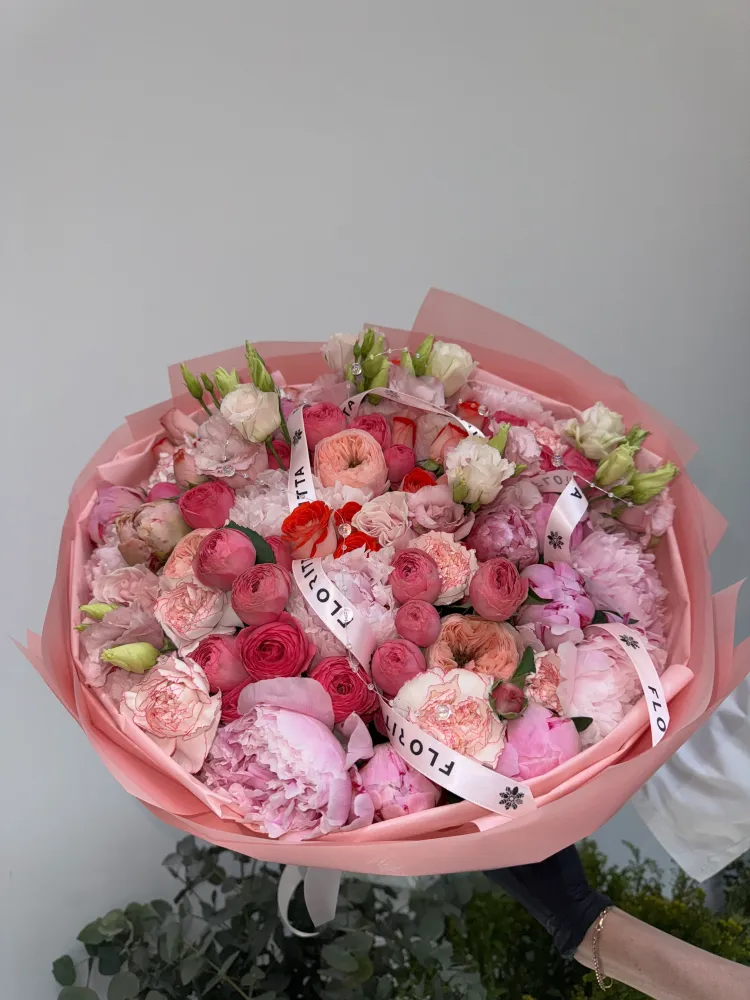
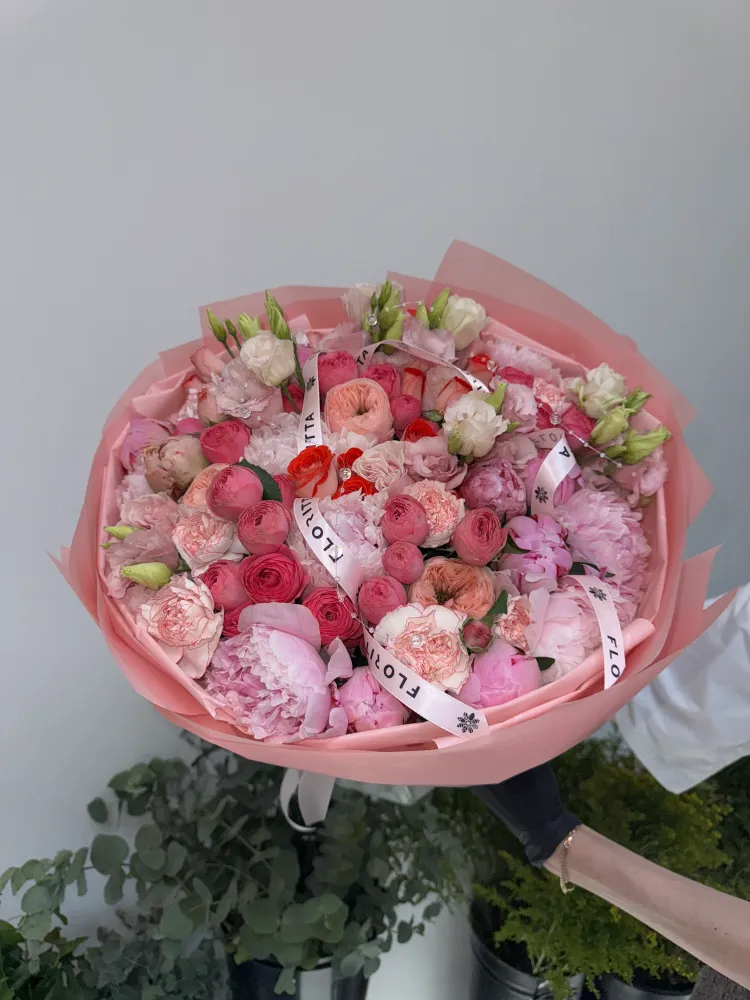
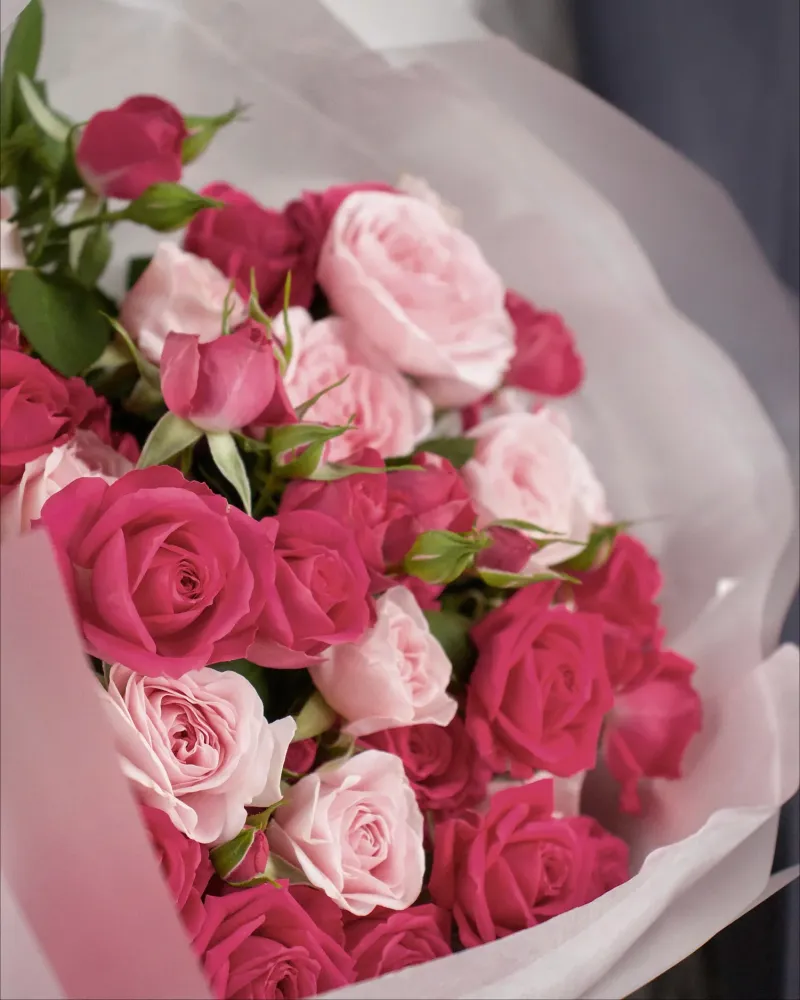
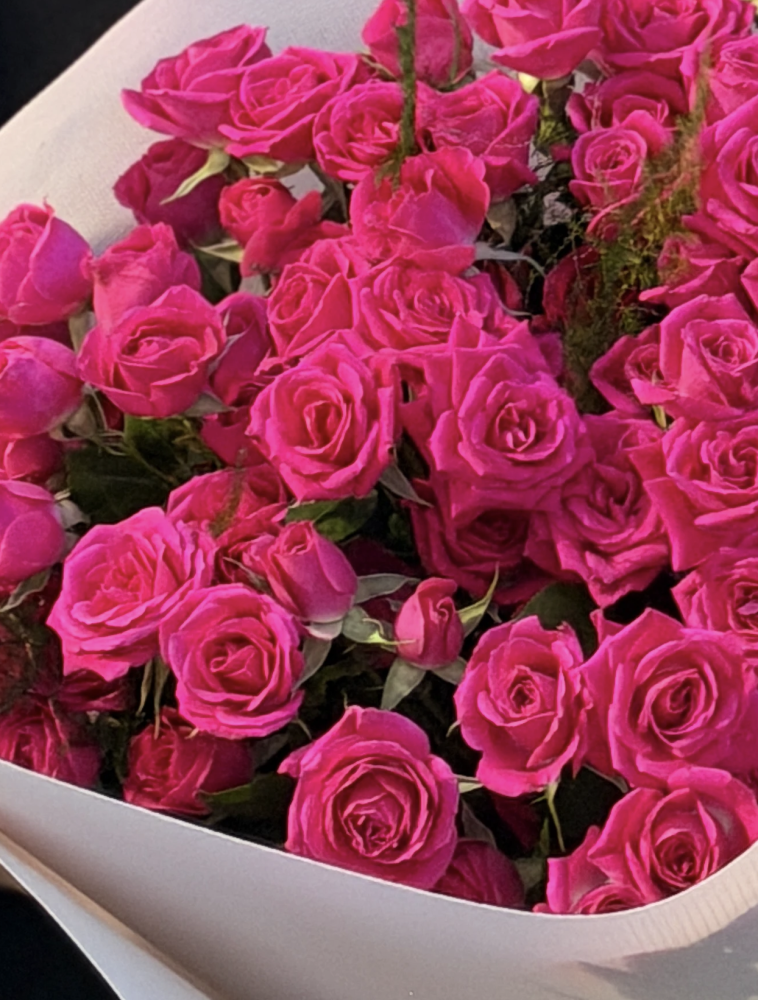
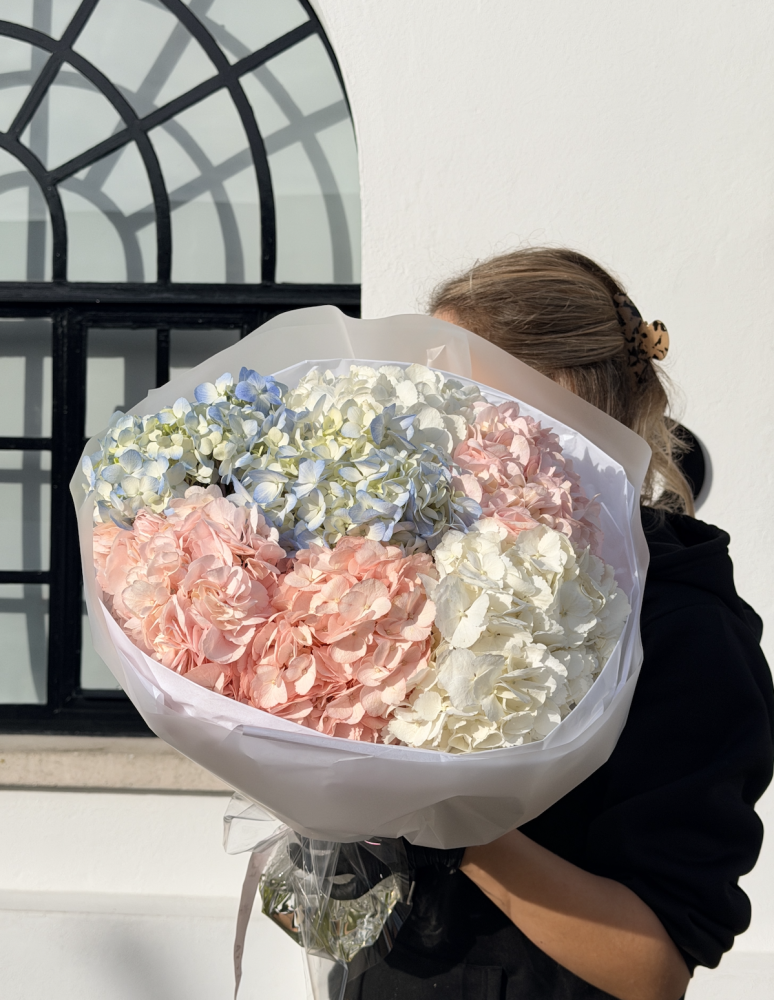
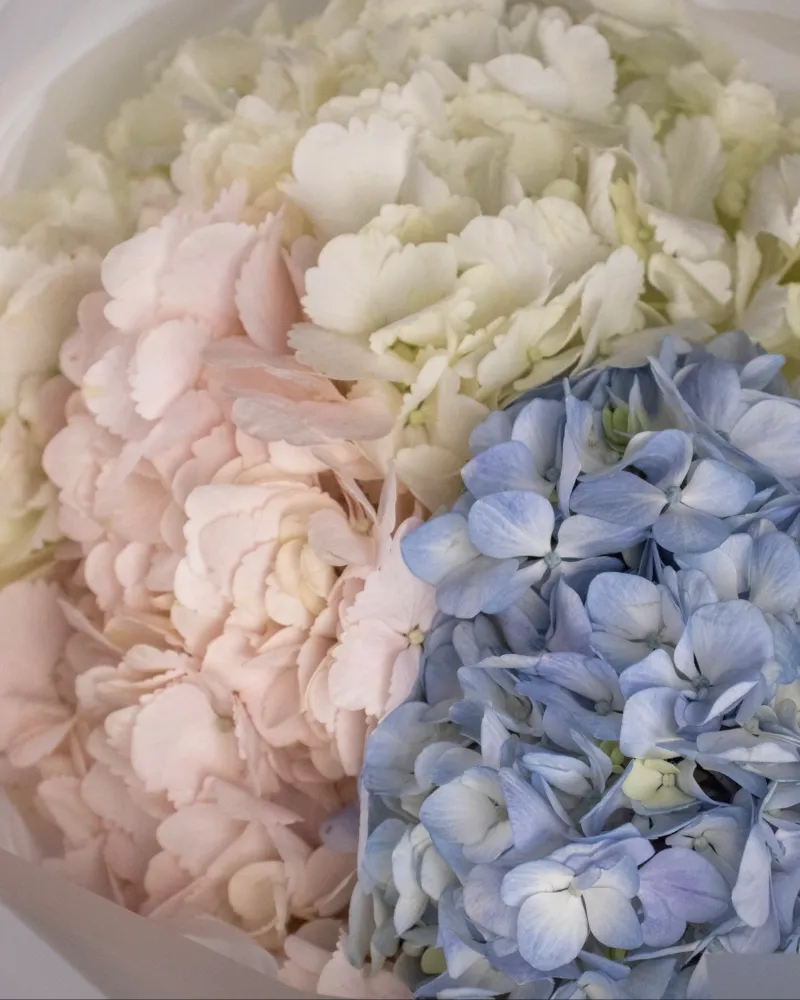
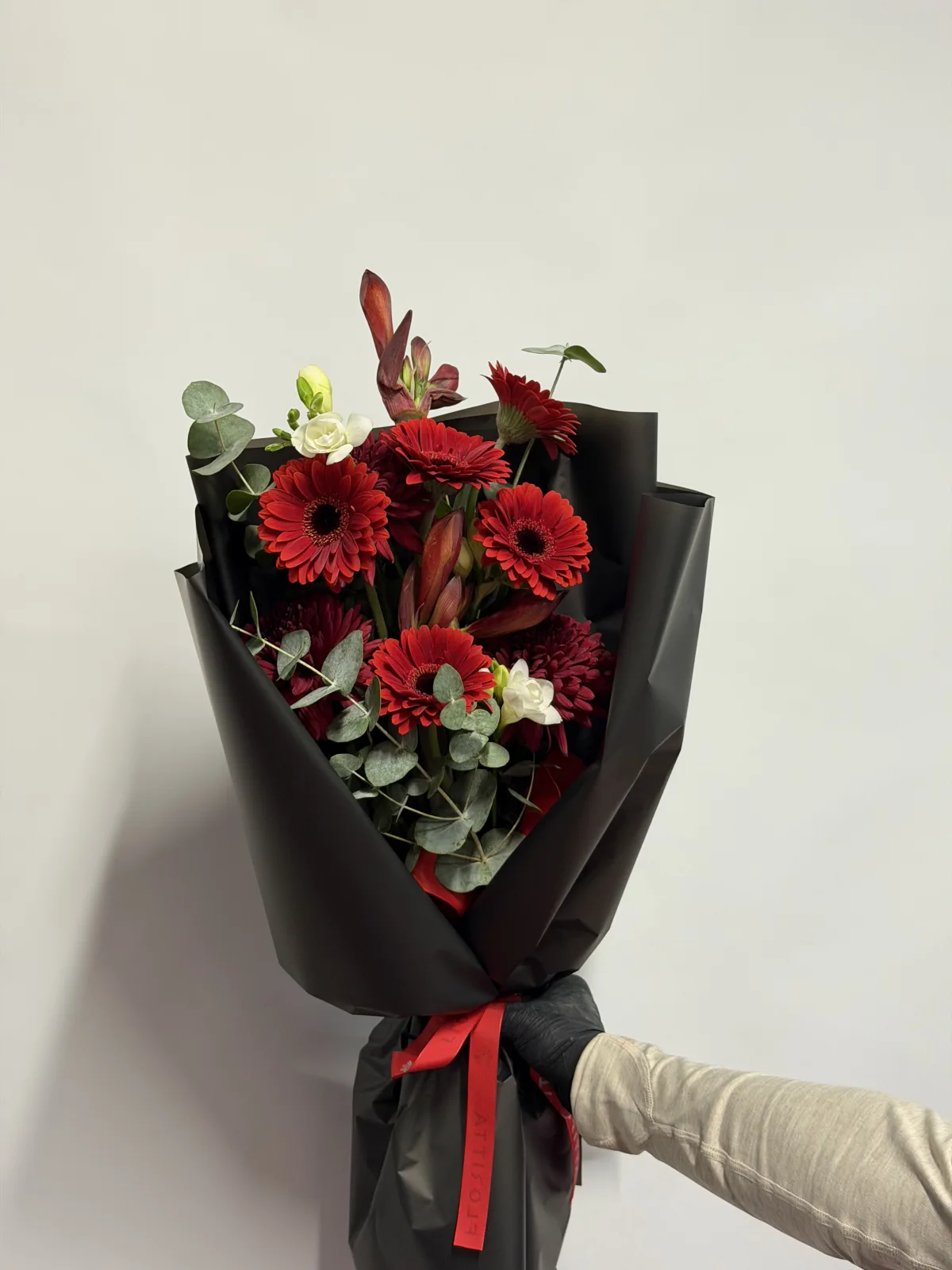
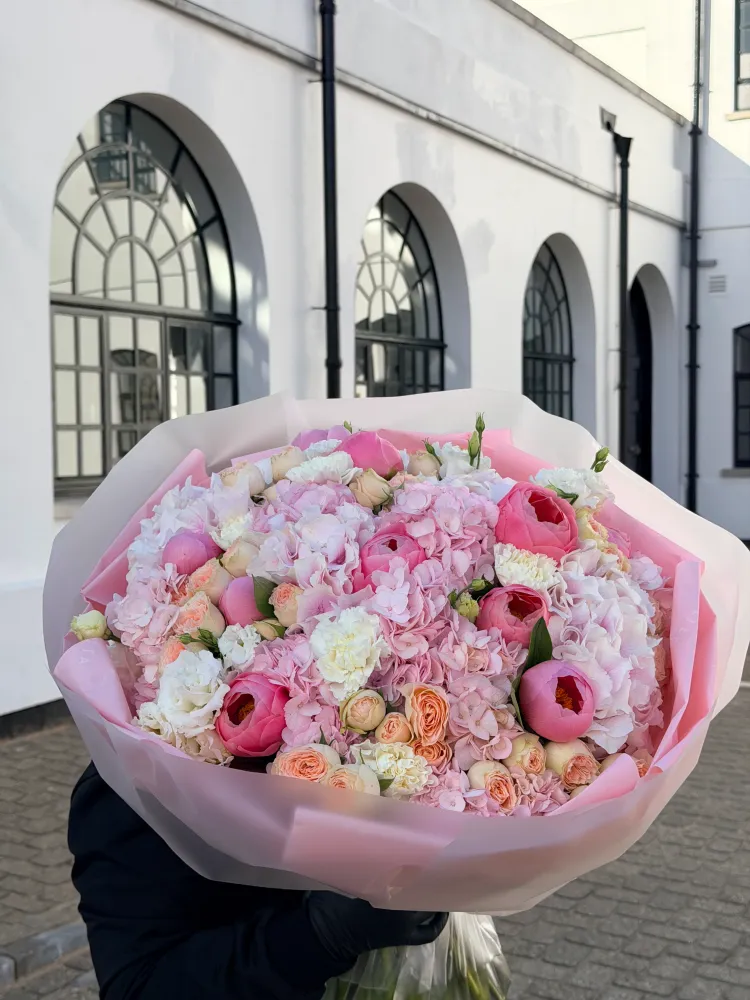
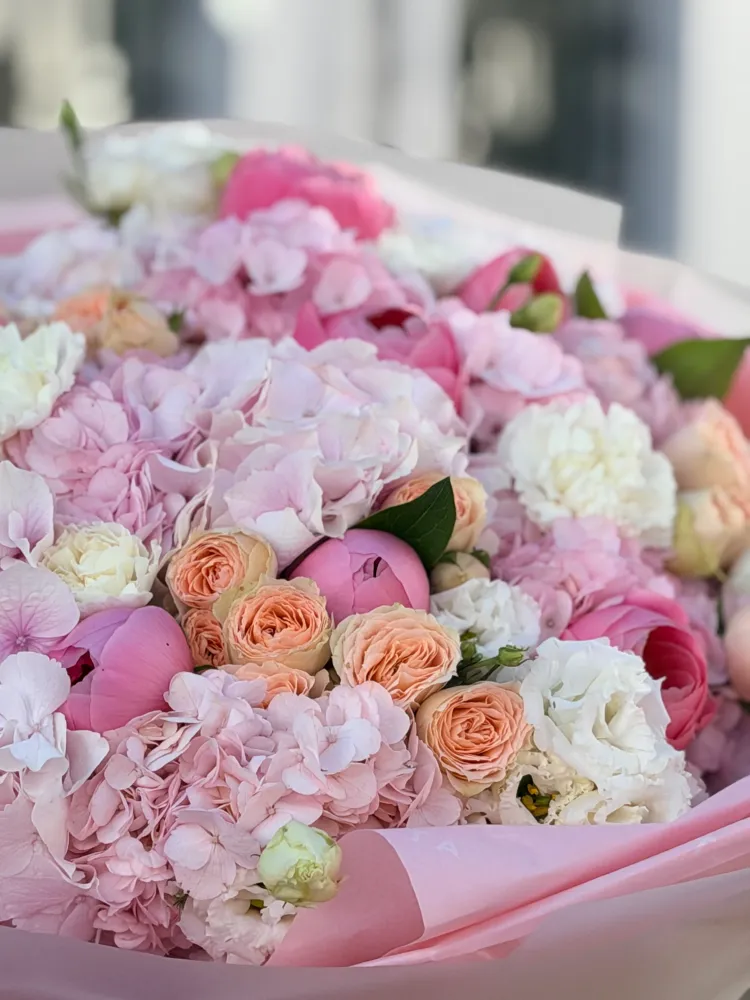
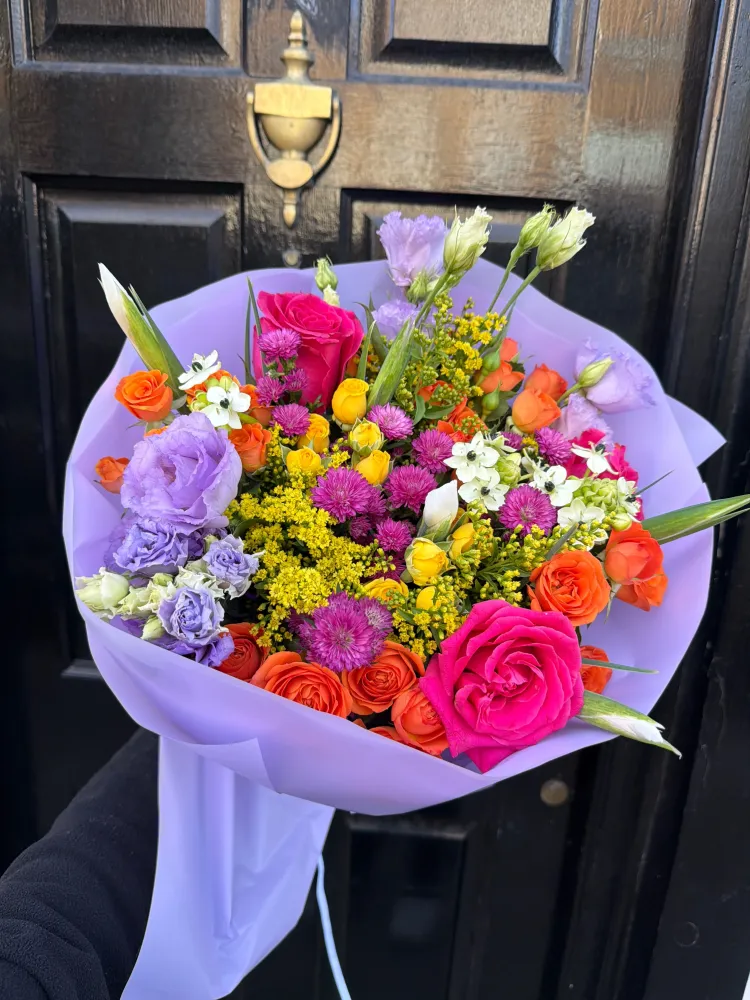
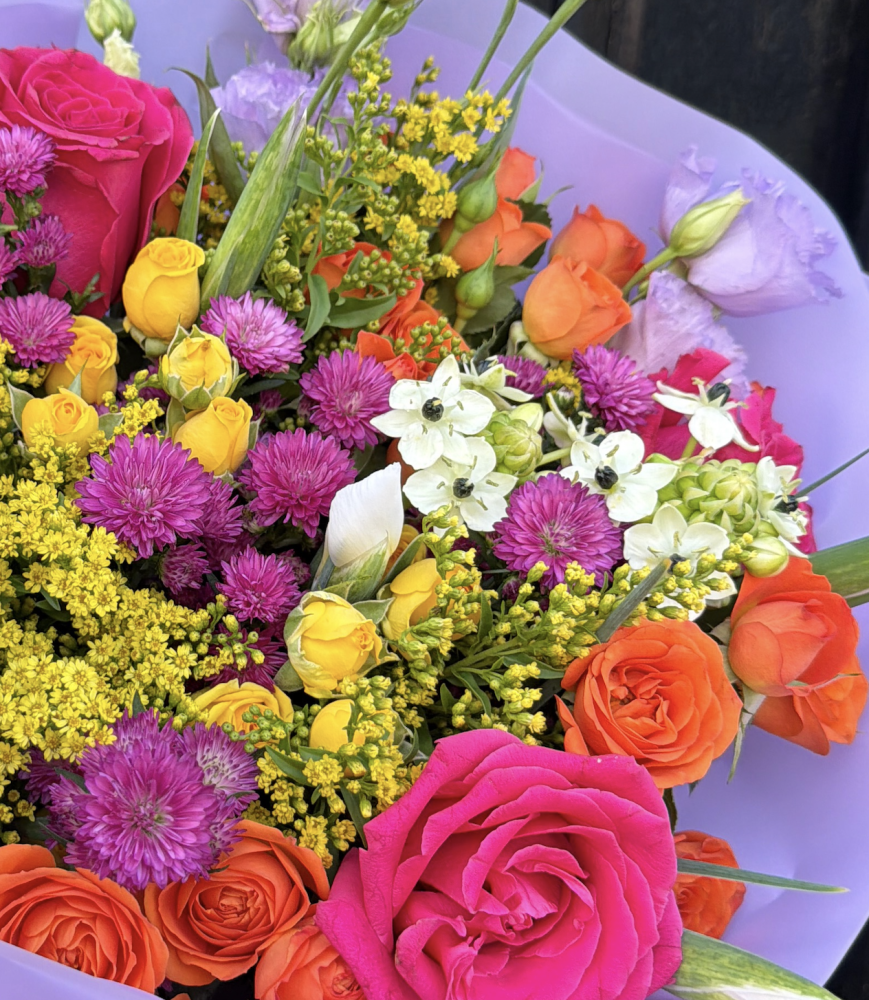
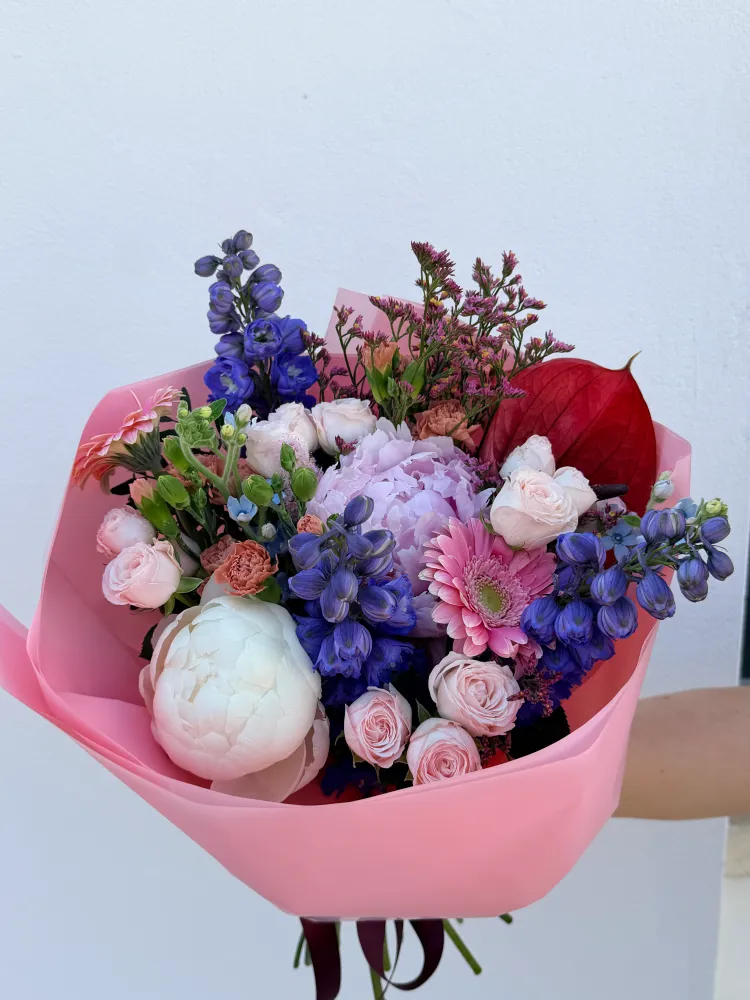
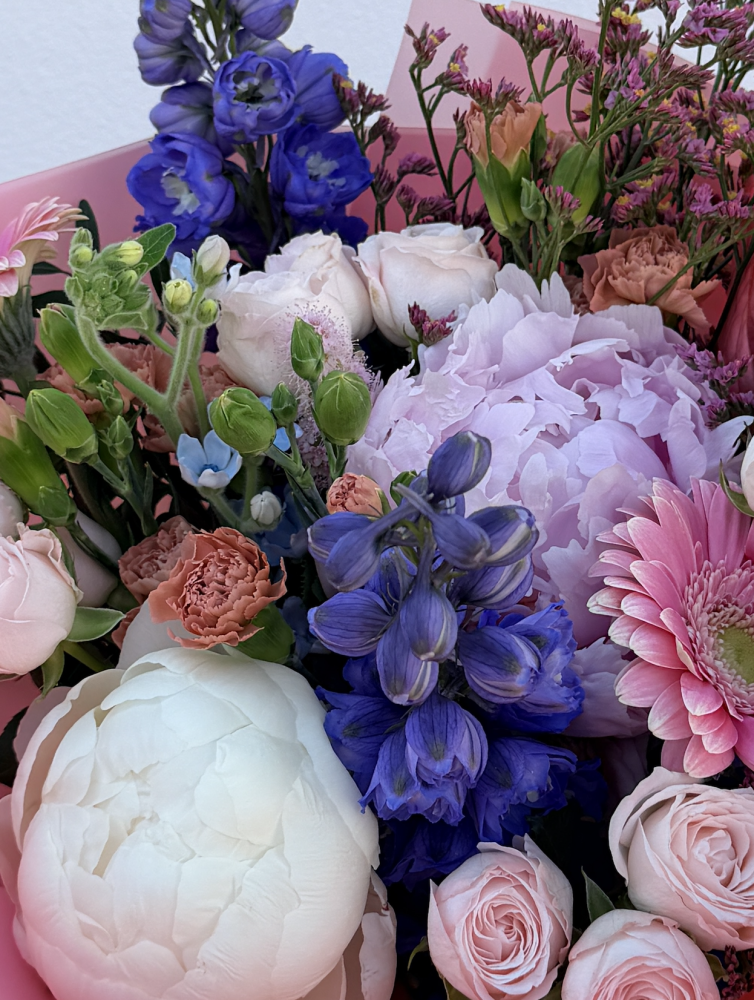
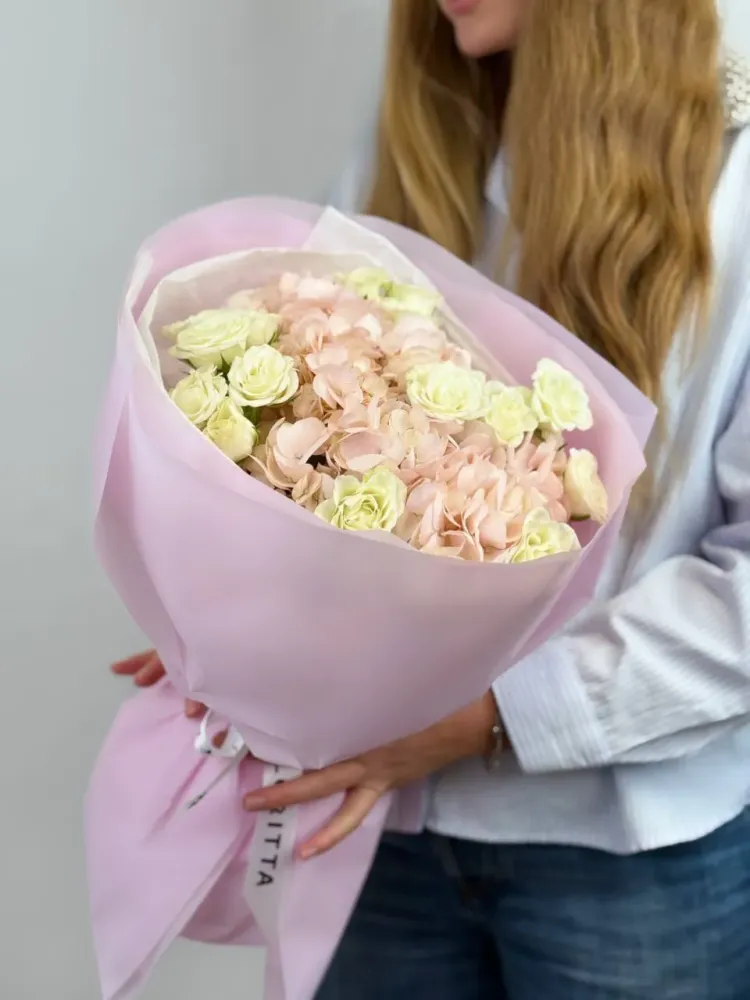
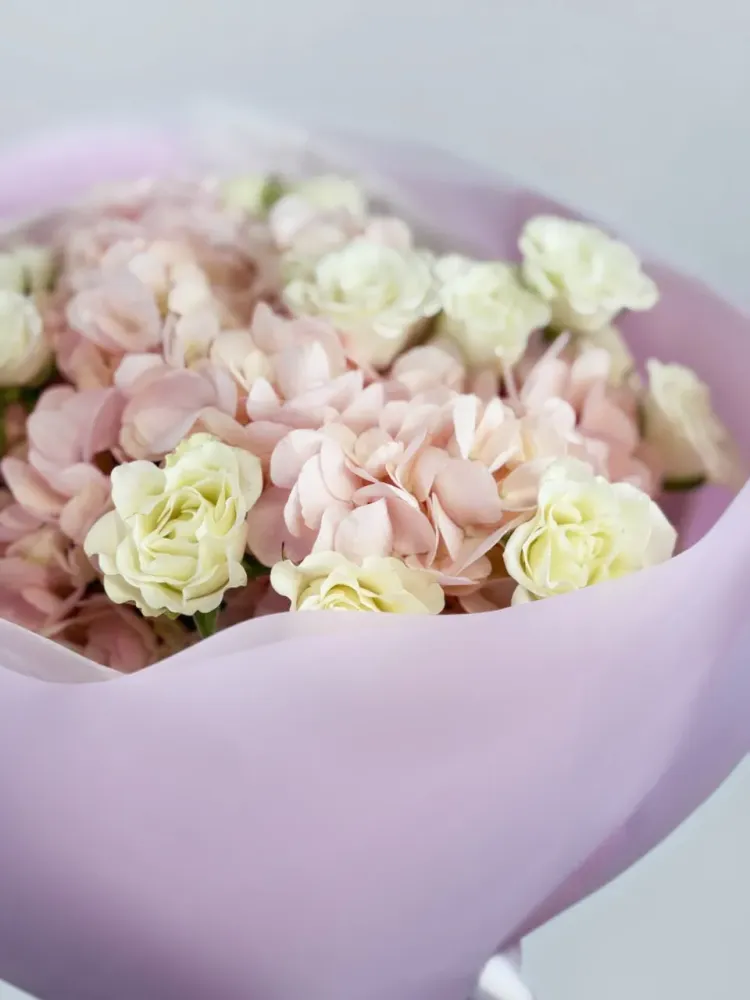
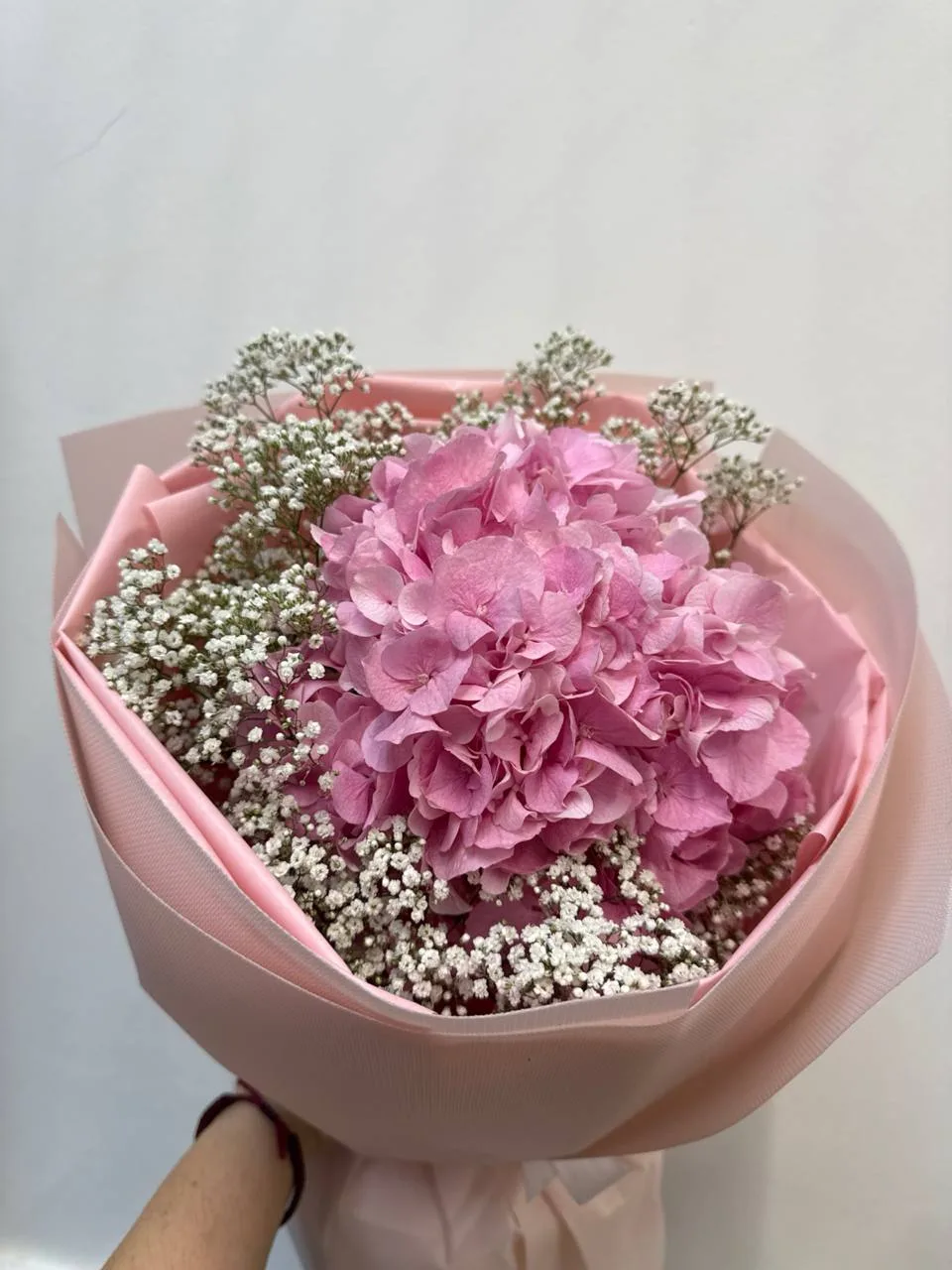
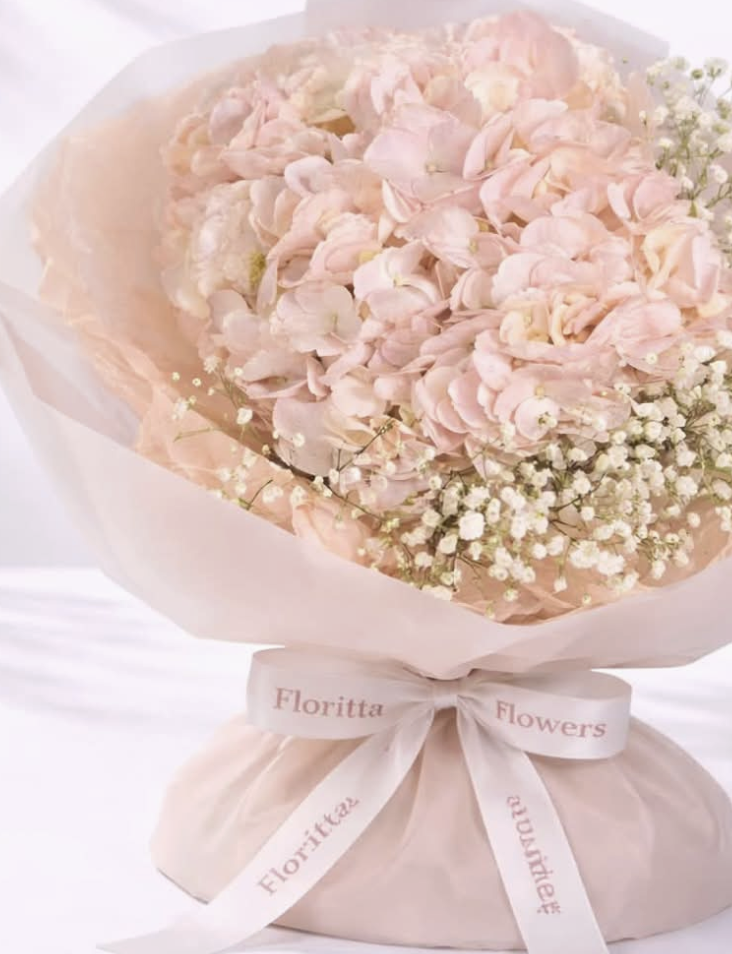
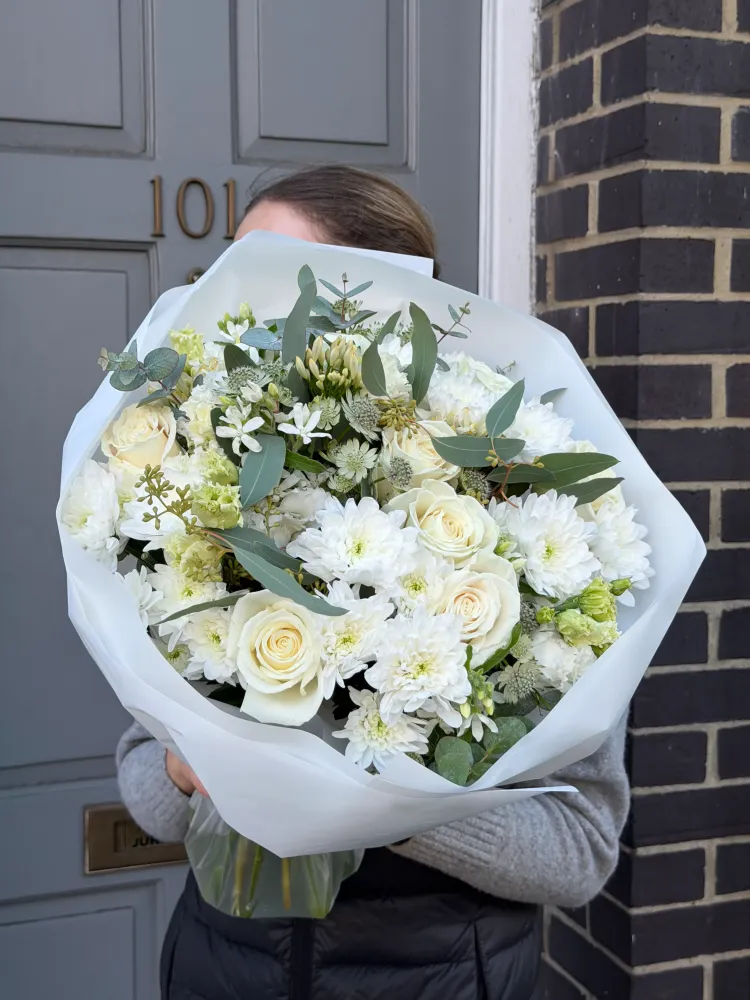
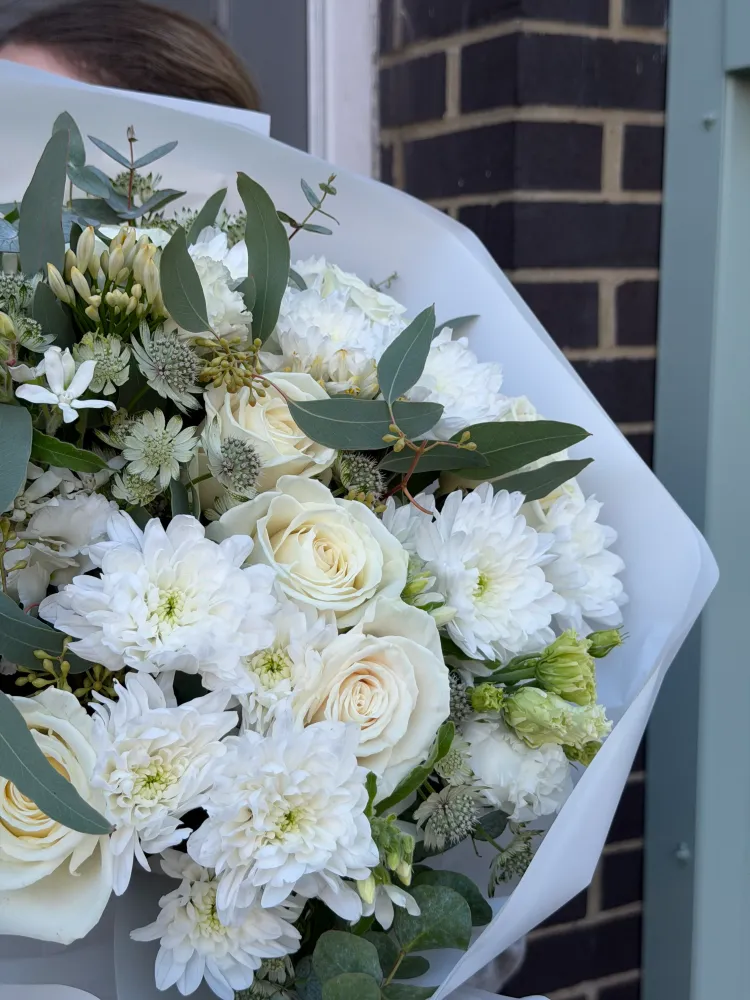
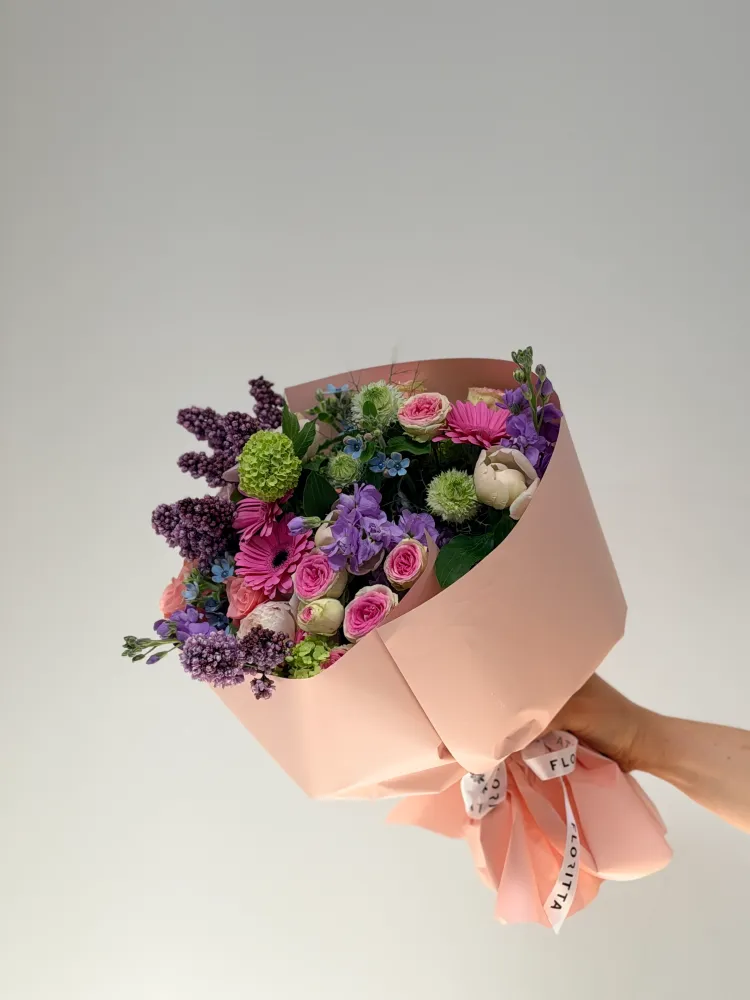
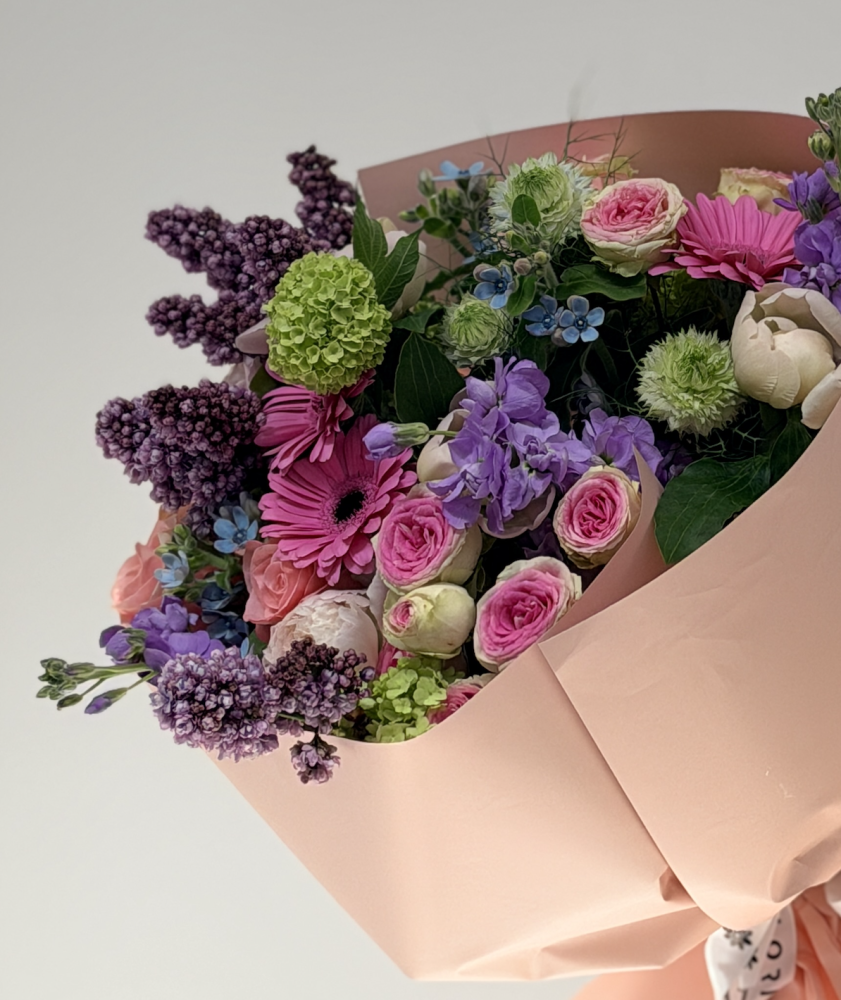
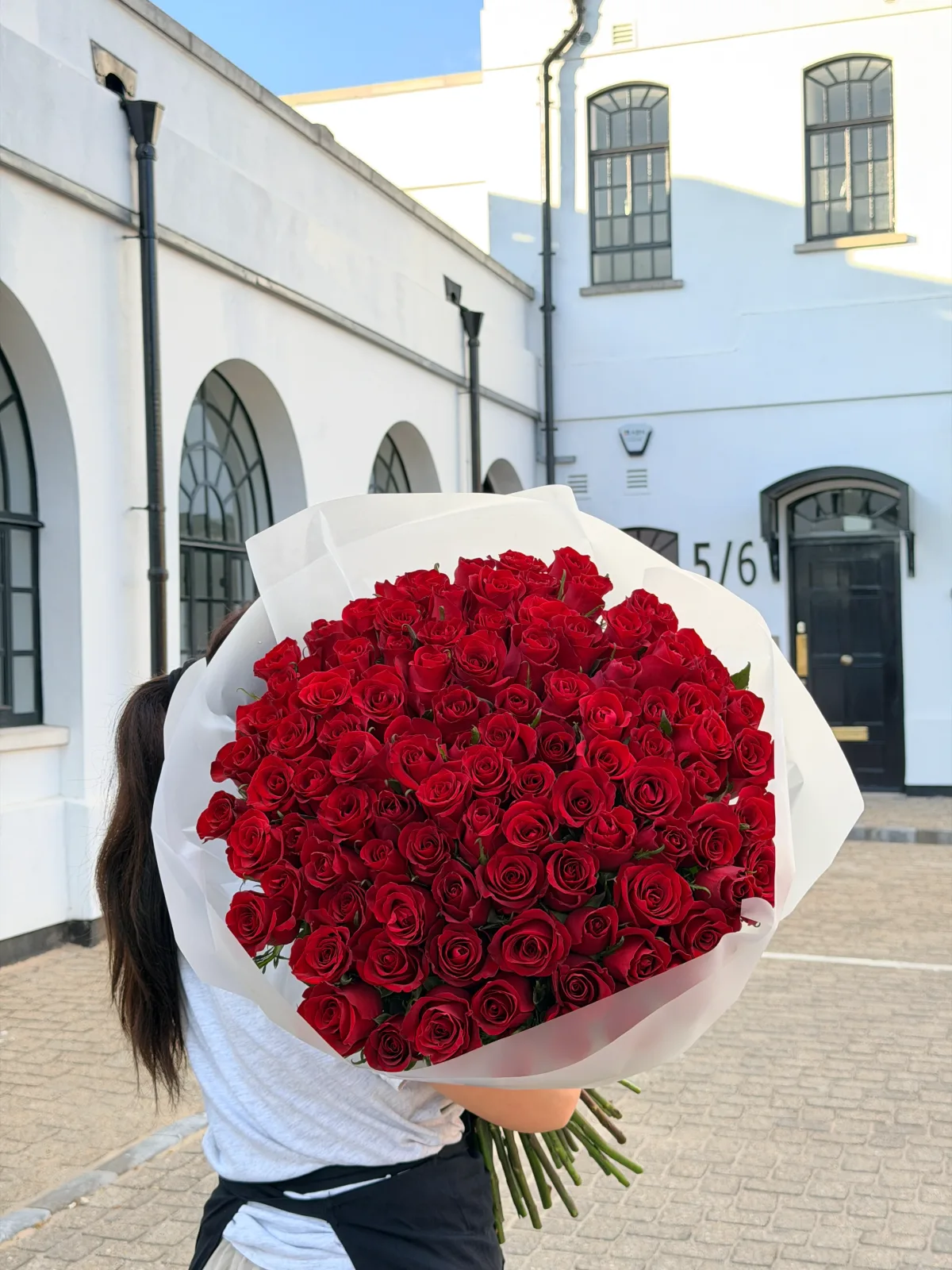
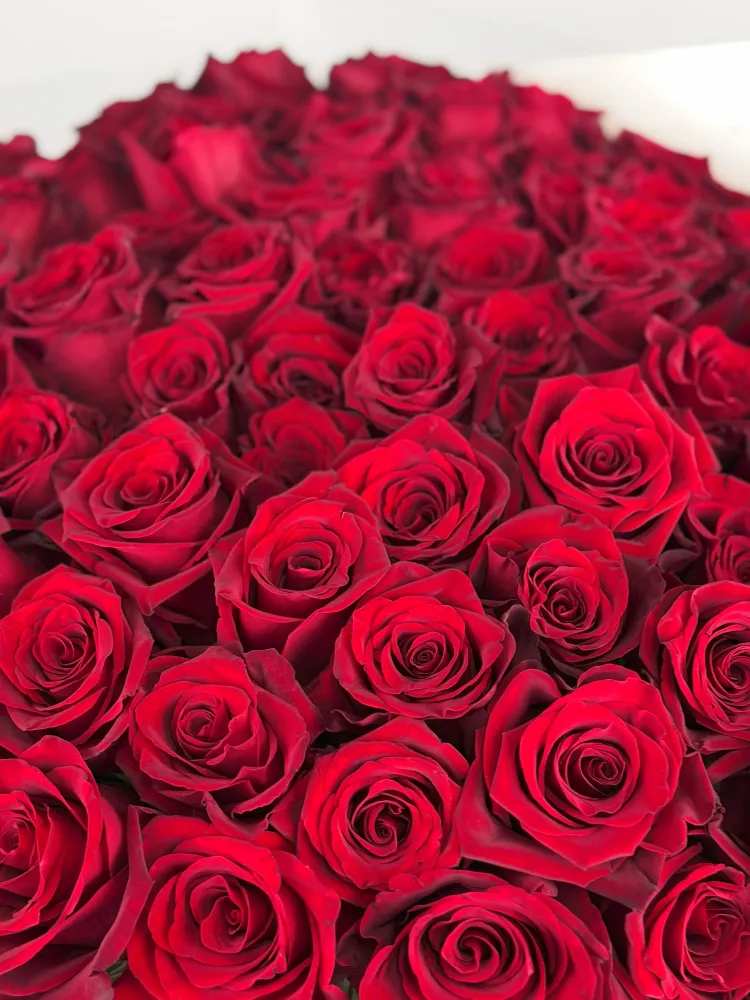
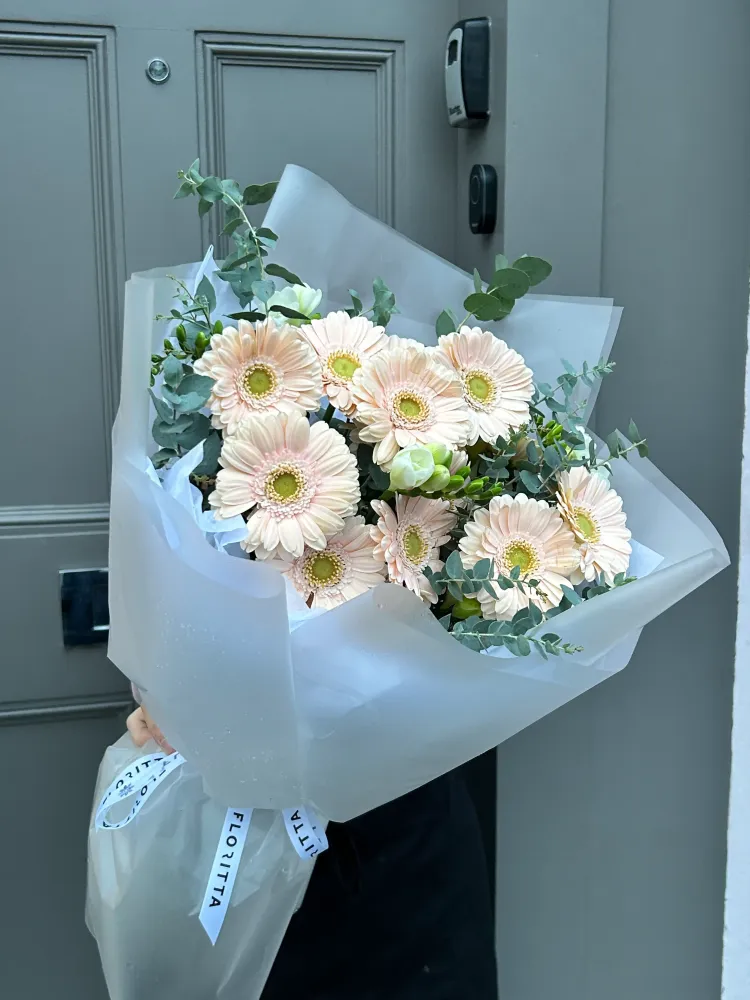
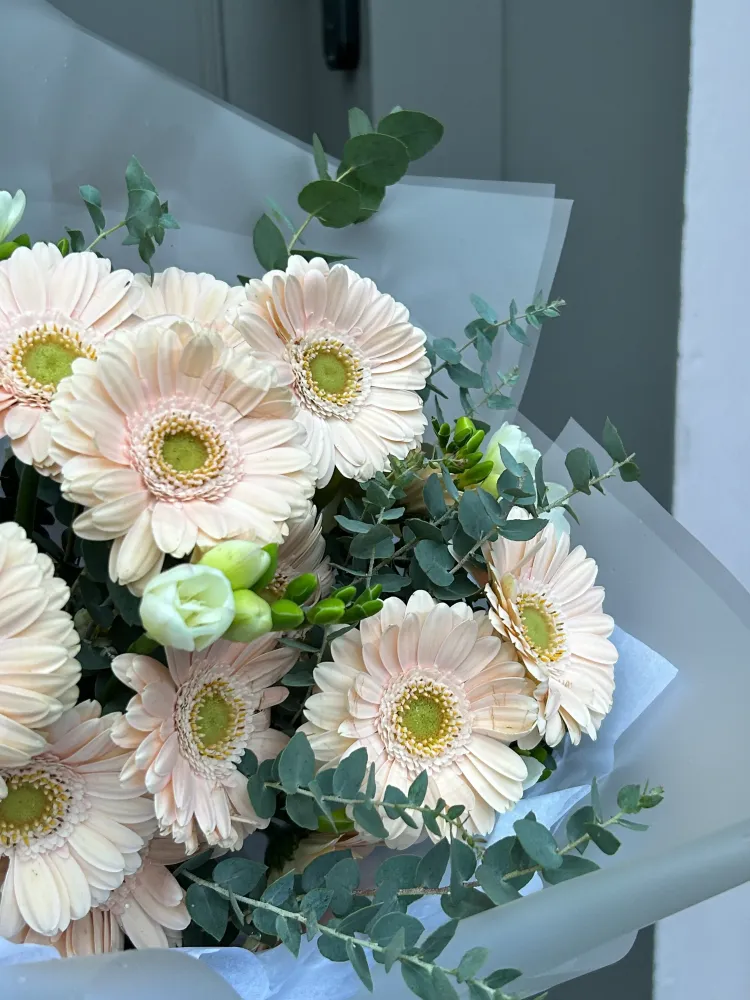
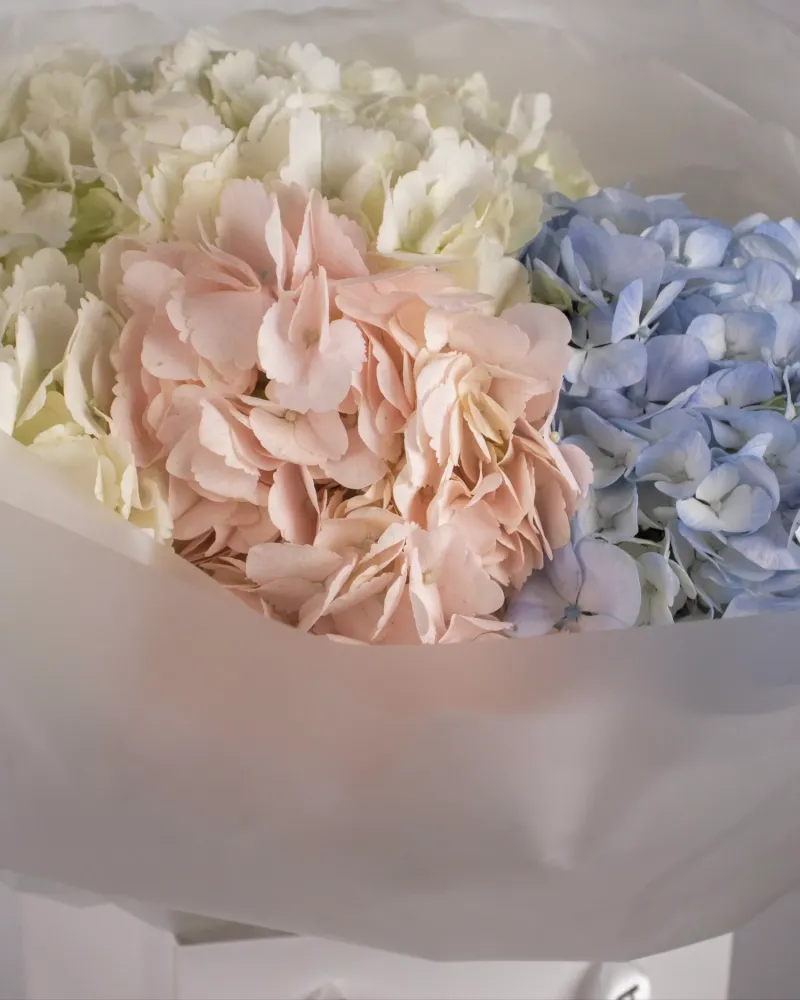
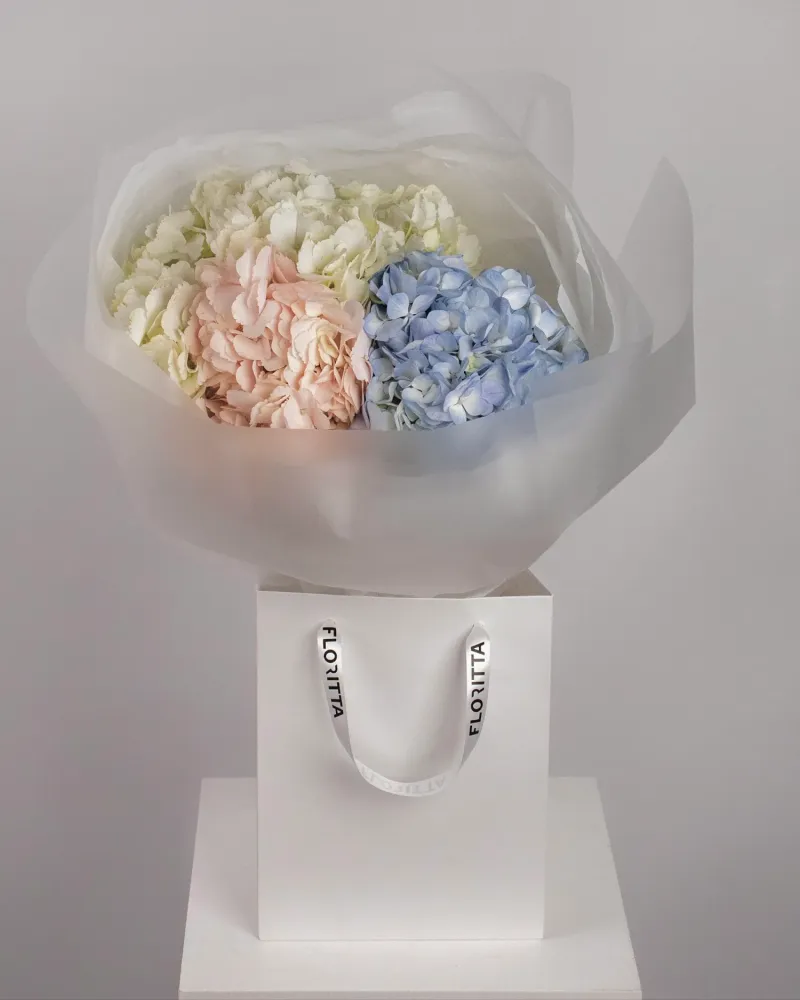
Every bouquet here is hand-tied in our London studio on the morning it goes out. This is the whole hand-tied collection in one place — single-variety bunches, seasonal mixes and the large statement bouquets — and nothing in it is made in advance or kept waiting in a cold room.
Bouquet Delivery Across London and the UK
Bouquet delivery runs seven days a week from our studio at Unit 3, The Willows, 80 Willow Walk, London SE1 5SY. Order by 10 PM and we deliver the same day across London and Greater London, including weekends and bank holidays; the rest of the UK takes two to three working days.
What that timing actually means for the flowers is worth knowing, because it is the part that differs between florists. A same-day London bouquet is tied after your order comes in and goes out with a courier the same day, so it is a few hours old when it reaches the door. A UK bouquet is built to travel: it goes into a box standing upright in water, arranged rather than flat-packed, which is why it arrives ready to put down rather than needing rescuing.
If the date matters more than the speed — a birthday, an anniversary, an apology — choose the delivery date at checkout and leave the card message there. We make the bouquet up on the morning of that date, not on the day you ordered.
The Three Shapes We Build, and Who Each One Suits
Almost every bouquet that leaves the studio is one of three shapes, and the difference between them is not decorative. It changes how the bouquet looks in a room and how much work it asks of the person receiving it.
The round hand-tie is the classic gift bouquet. Stems are spiralled so the bunch stands on its own base and can be dropped straight into a vase without rearranging. It is the safest choice when you do not know the recipient’s taste, and it is what most people picture when they say “a bouquet of flowers”.
The loose garden style is wider, taller and deliberately informal, built on garden roses, lisianthus, ranunculus and seasonal foliage. It reads as though someone cut it that morning. It suits a full, warm house and it photographs badly in a small vase — give it room or it collapses into a lump.
The single-variety bunch — forty tulips, a mass of sunflowers, thirty peonies — is the most confident of the three. One flower, one colour, nothing else competing. It is the shape we send most often for milestones, because volume of a single thing reads as generosity in a way that a mixed bouquet of the same size does not.
You can see the single-variety work most clearly on the roses, tulips, peonies and sunflowers shelves; the mixed and garden-style work sits under mixed flowers.
How to Choose a Bouquet When You Do Not Know What They Like
This is the situation most people are actually in, and there is a reliable way through it that does not involve guessing a favourite flower.
Start with the room rather than the person. A minimal flat wants white, green and structure — white roses, hydrangeas, eucalyptus. A warm, full house wants colour and texture — garden roses, dahlias, mixed seasonal stems. This one question gets it right more often than any amount of thinking about personality.
Then consider how long they will be there to enjoy it. If the recipient travels, works long hours or is about to go away, choose long-lasting stems — chrysanthemums, carnations, lisianthus, alstroemeria — over peonies and garden roses, which are beautiful for a week and then finished.
Finally, the one piece of information worth more than a favourite: what they will not have in the house. Most people have a flower or a colour they dislike, often lilies or carnations or anything yellow. If you know it, put it in the order notes and we will build around it.
If none of that is available to you, colour is the least risky way to make a choice look deliberate. The white, pink, red and purple shelves are filtered by colour rather than by flower for exactly this reason.
What “Hand-Tied” Means Here, and Why It Matters at the Other End
Hand-tied is a term that has been worn smooth by use, so it is worth saying what it means in practice. Stems are stripped of everything that would sit below the waterline, laid in a spiral by hand so each one crosses the last at the same angle, and bound at a single point. The result stands unaided on its own stem base.
The consequence is practical rather than aesthetic. A properly tied bouquet goes into a vase in one movement and holds the shape the florist gave it. A bunch that has simply been gathered and wrapped falls open the moment the wrapping comes off, and the person receiving it has to rebuild it themselves — which is precisely what they do not want to be doing while holding a bunch of wet flowers and looking for scissors.
It also means the bouquet can be sent to someone who will not be arranging anything: an office reception, a hospital ward, an elderly relative. If you would rather they did not even have to find a vase, an arrangement or a flower box arrives already in its container.
Single-Variety or Mixed: The Choice That Changes the Bouquet Most
Everything else — size, colour, wrapping — matters less than this one decision.
A single-variety bouquet is a statement. It is legible from across a room, it says a specific thing (roses say one thing, sunflowers say another), and it depends entirely on that flower being at its best that week. We will tell you honestly if it is not.
A mixed bouquet is a composition. It survives a bad week at the market because the florist can rebalance it, it usually lasts longer because the stems fade at different rates, and it suits people who like flowers generally rather than one flower in particular. It is also more forgiving of an unknown recipient.
Seasonality decides more of this than most people expect. British peonies run for a few weeks in early summer; tulips are a winter and spring flower here; dahlias arrive in late summer. Outside those windows a single-variety bouquet means imported stems, and the honest answer is that the same money buys a better bouquet if it is mixed and seasonal.
Flower Bouquets — Questions We Are Asked
What are the most popular bouquet styles in the UK right now?
Three shapes account for most of what leaves the studio. The round hand-tie is the classic gift bouquet, tied spirally so it stands on its own stems. The loose garden style is wider and more informal, built on garden roses, lisianthus and seasonal foliage, and it is what most people mean when they ask for something that looks unarranged. The single-variety bunch — forty tulips, a mass of sunflowers, thirty peonies — is the one that photographs best and the one we send most often for milestone occasions.
How much is a flower bouquet?
The collection runs from a small posy of a single variety to large statement bouquets built from garden roses and out-of-season stems, and every product on this page shows its own price before you order. The largest of them belong with the rest of our luxury flower delivery range. What moves the price is stem count first and the flower second: a seasonal mix costs less than the same size built from garden roses or peonies out of season. If you have a fixed budget, the shelves grouped by price are the quickest way to see what it buys.
How long does a bouquet last?
Between five days and three weeks, depending on what is in it — peonies are the shortest at three to seven days, carnations and chrysanthemums the longest at two to three weeks, and most mixed bouquets sit around a week to ten days. Trim the stems at an angle, use cool water and change it every two days. Our flower care page goes through this properly, and how long flowers last has a table by variety.
Can I have a bouquet made to my own brief?
Yes. Leave the colours, the flowers to avoid or the occasion in the order notes and our florists will build to it, or message us on WhatsApp at +44 7387 939120 first if you want to agree the design before you pay. For anything unusual — a specific variety, a size well beyond the standard range, a colour we do not normally stock — ask before ordering rather than after, so we can tell you what the market has that week.
Do you deliver bouquets the same day?
Yes. Order by 10 PM for same-day delivery across London and Greater London, seven days a week. Bouquets going elsewhere in the UK take two to three working days and travel standing in water inside their box, so they arrive arranged and drinking rather than flat-packed through a letterbox.
What is the difference between a bouquet and an arrangement?
Who does the arranging. A bouquet is tied and wrapped, and the person receiving it trims the stems and finds a vase. An arrangement is built by us into a basket, box or vessel and arrives in its final shape. Send a bouquet to someone at home who enjoys putting flowers in water; send an arrangement to an office, a hospital or anyone who will not want the job.
Can I send a bouquet anonymously, or add a card?
Both. Every order takes a card message, and you can leave it unsigned if you prefer. We do not put the sender’s name on the delivery paperwork, so an unsigned card stays unsigned. If the recipient asks the courier who sent it, they will not know — the drivers carry the address, not the order.
Which flowers are in season right now?
It changes weekly, which is why the collection does. As a rough guide: tulips from midwinter into spring, peonies and ranunculus in late spring and early summer, sunflowers and dahlias through late summer and early autumn, chrysanthemums and hydrangeas into winter. Roses, lisianthus, carnations and eucalyptus are available all year. If a specific flower matters, message us before ordering and we will tell you what is actually on the bench.


