 WhatsApp Chat
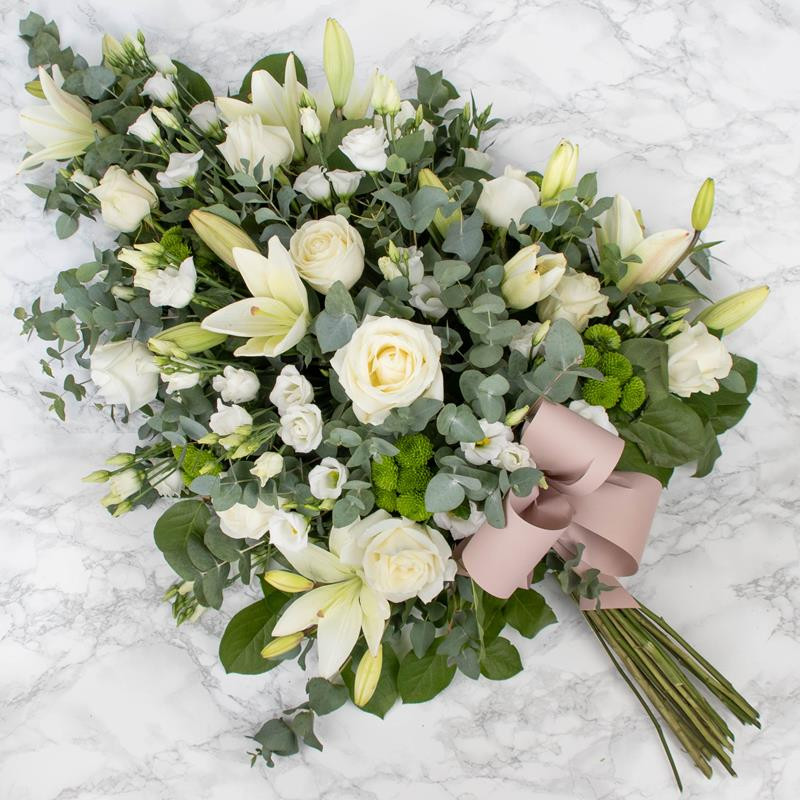
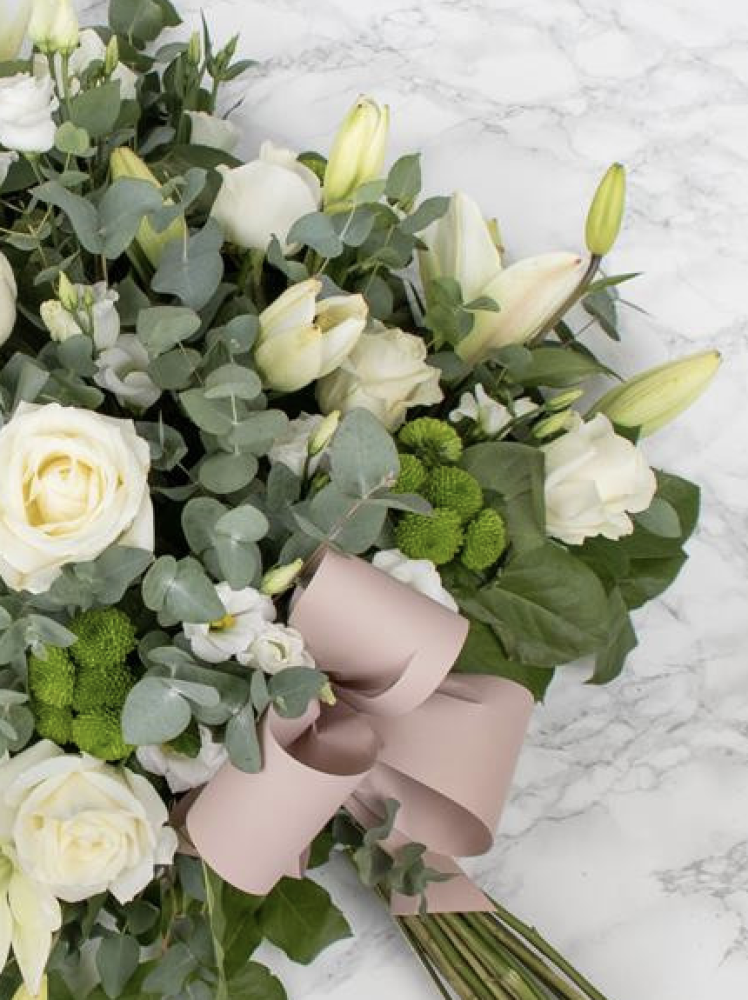
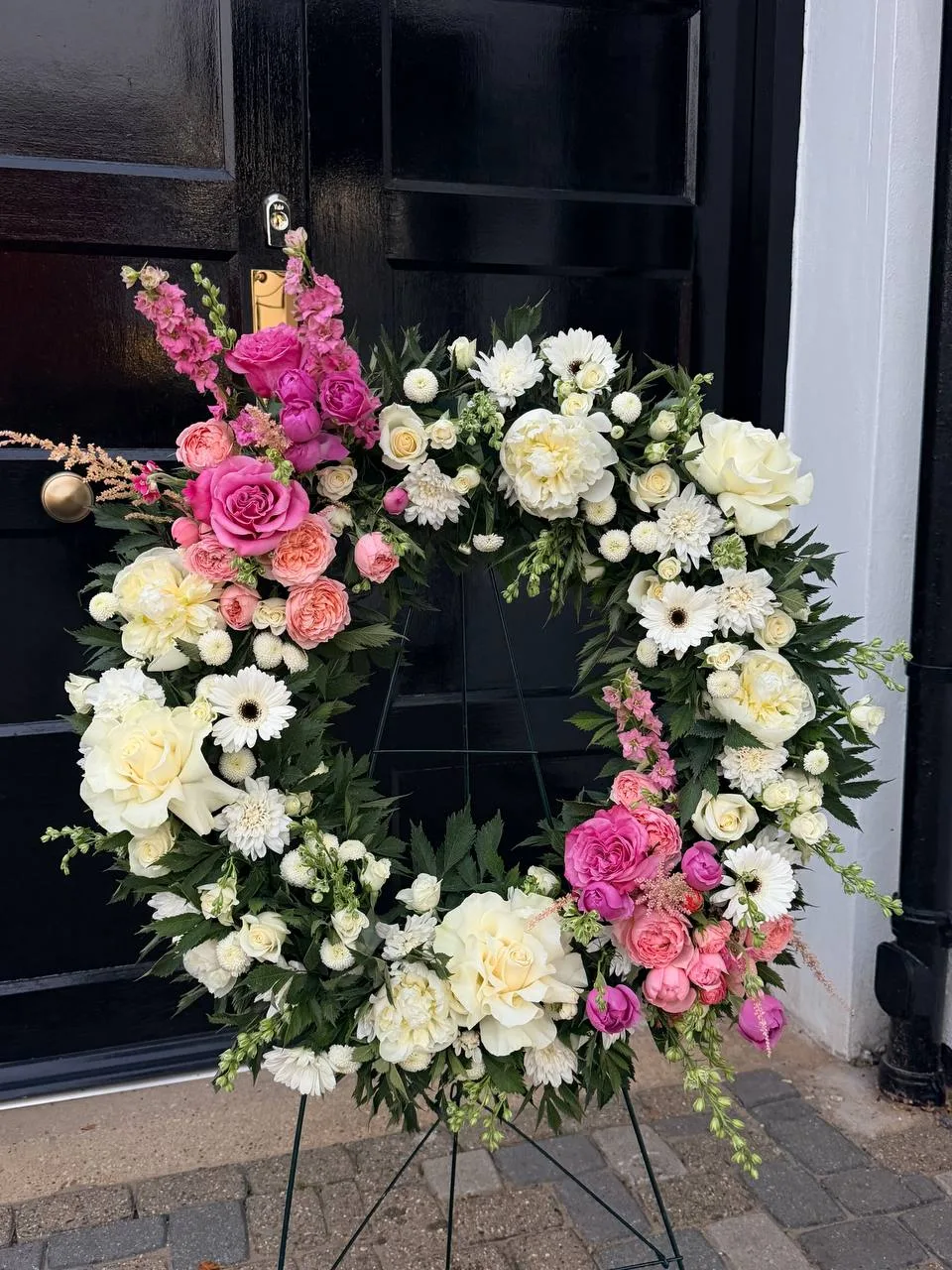
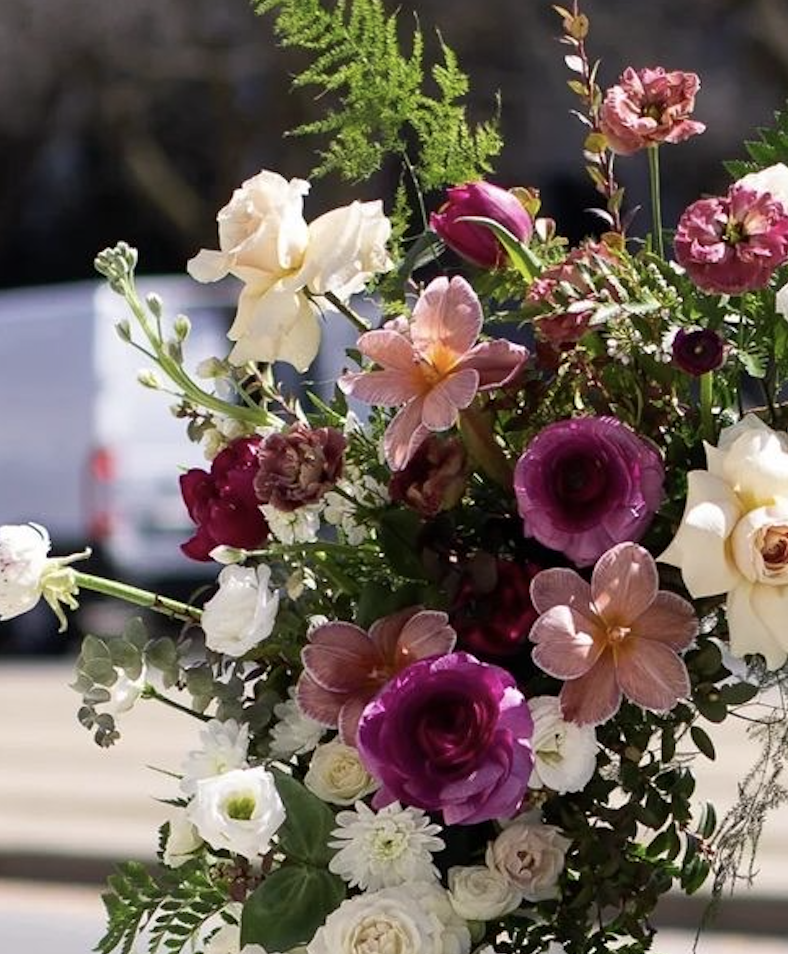
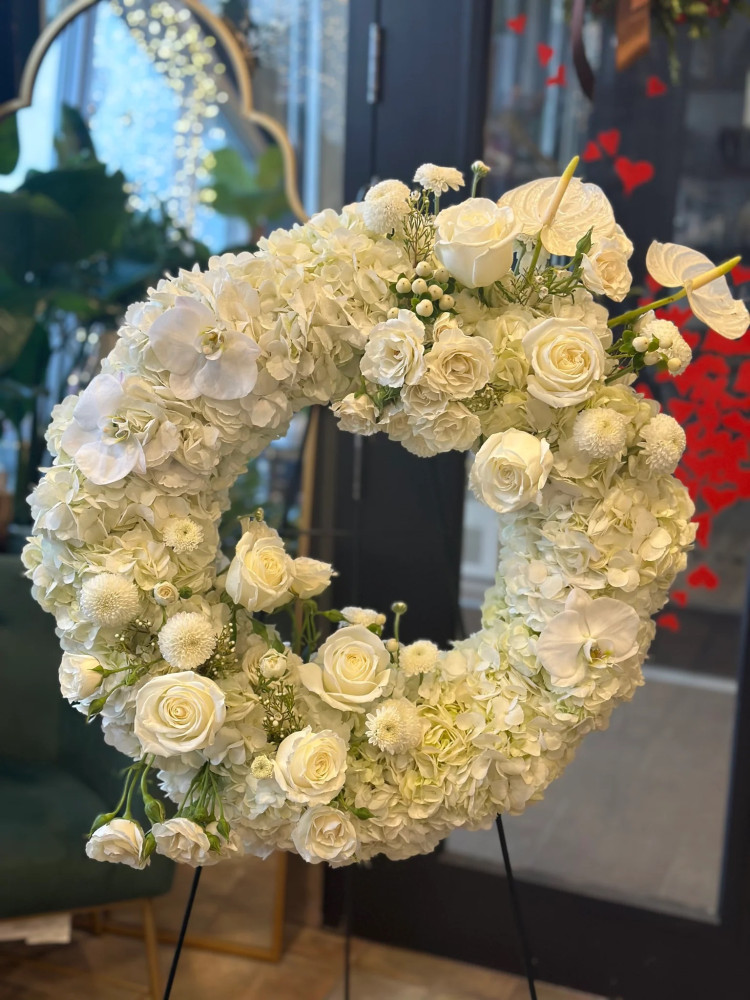
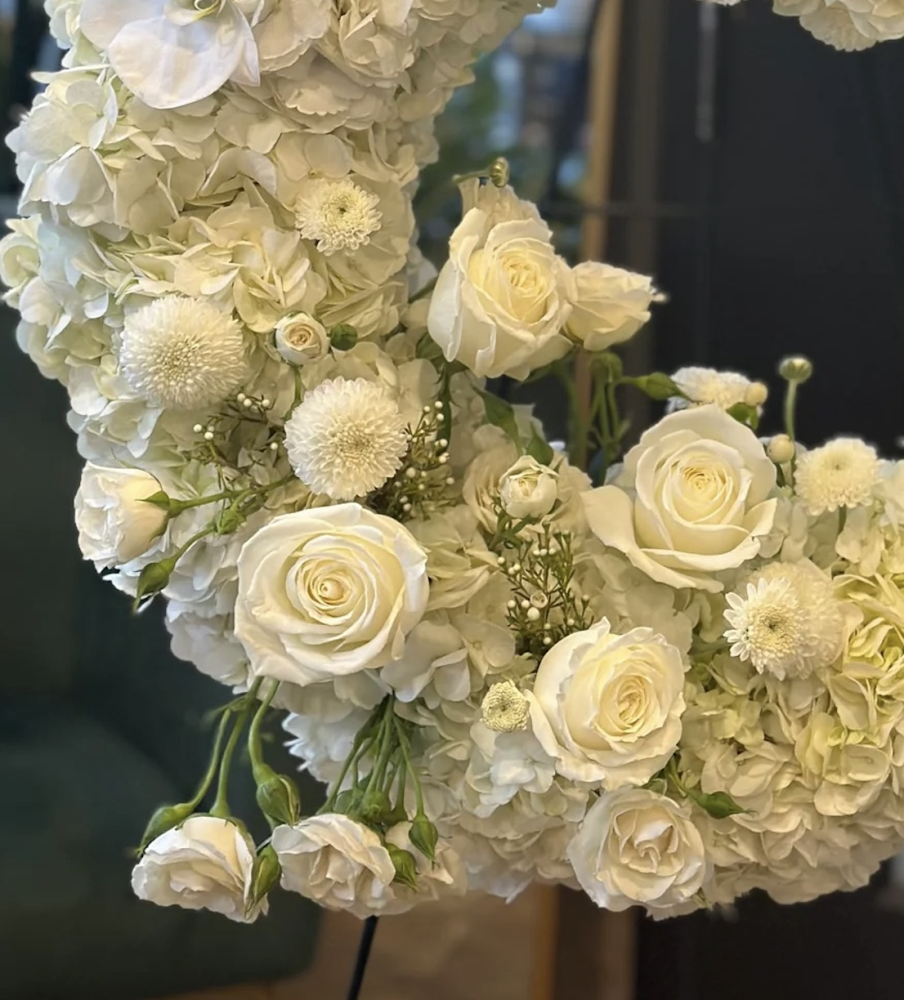
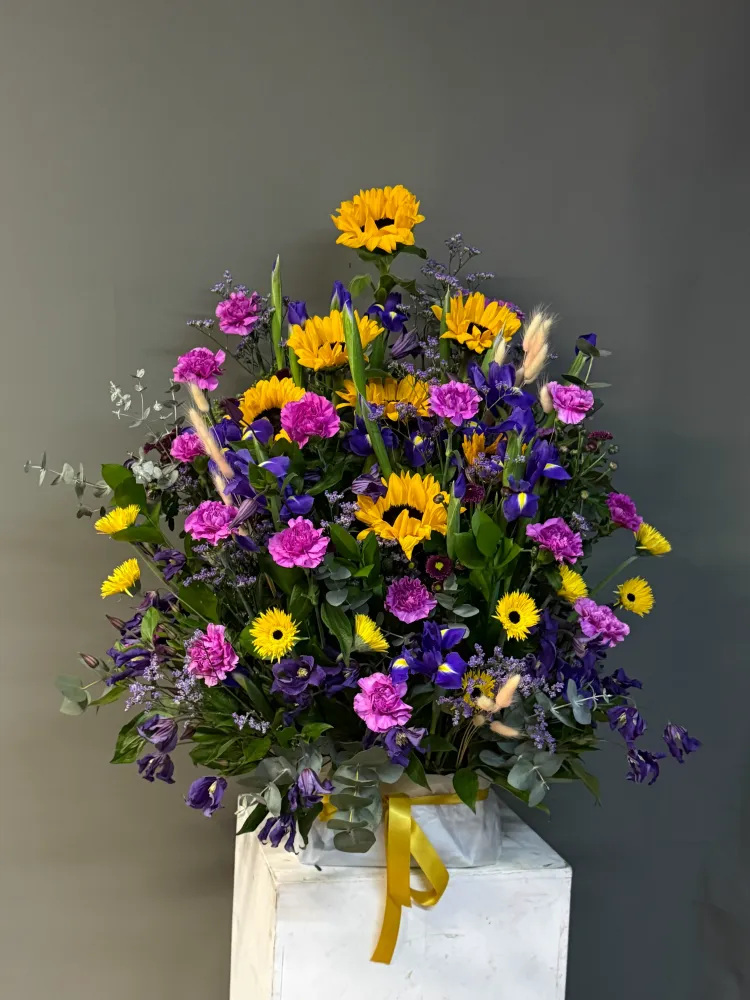
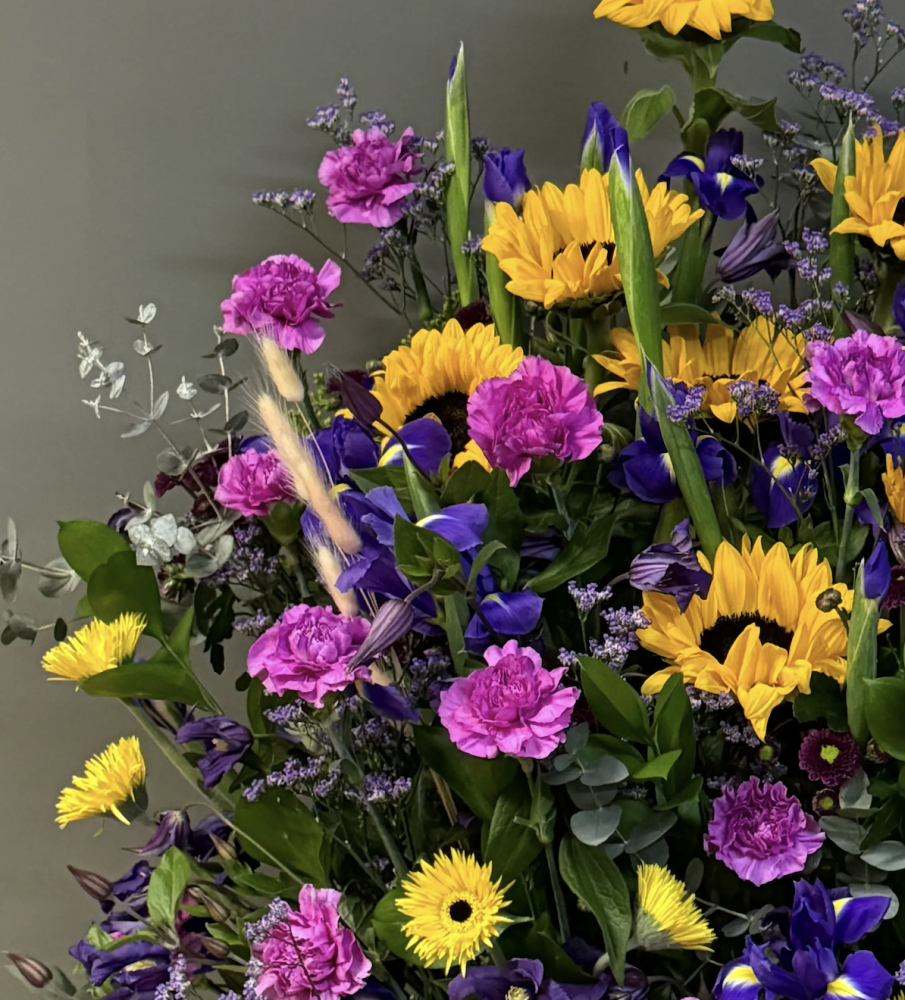
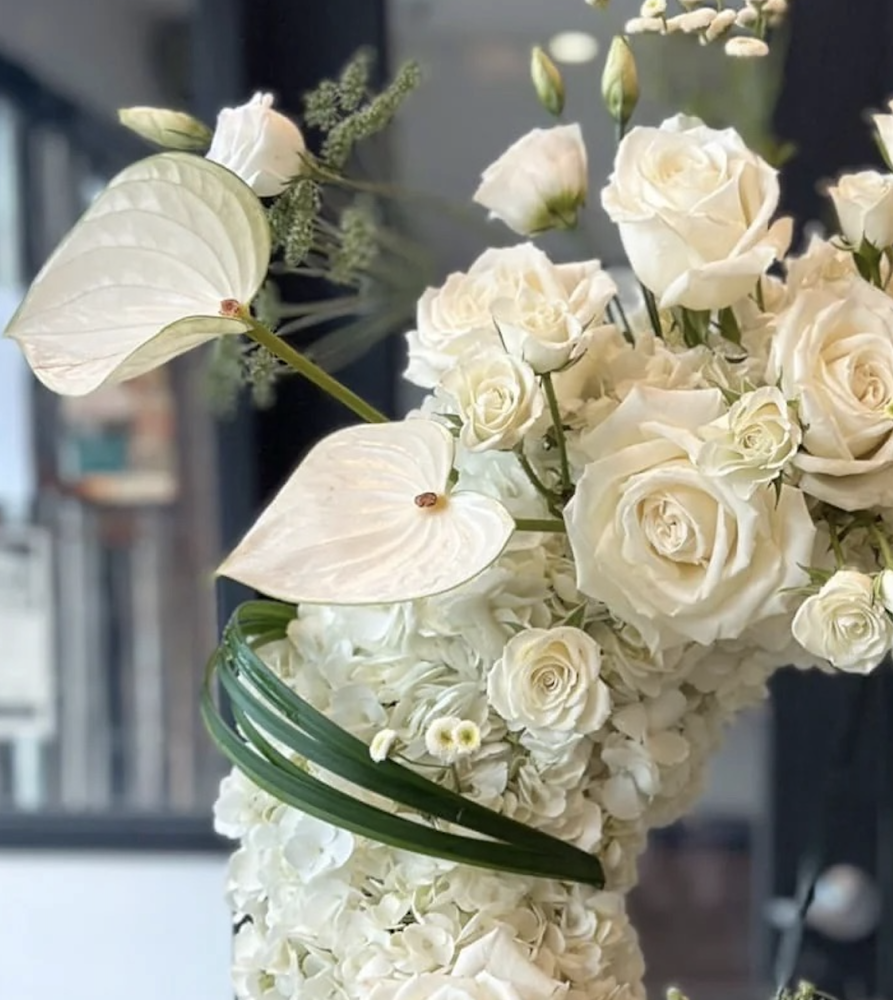
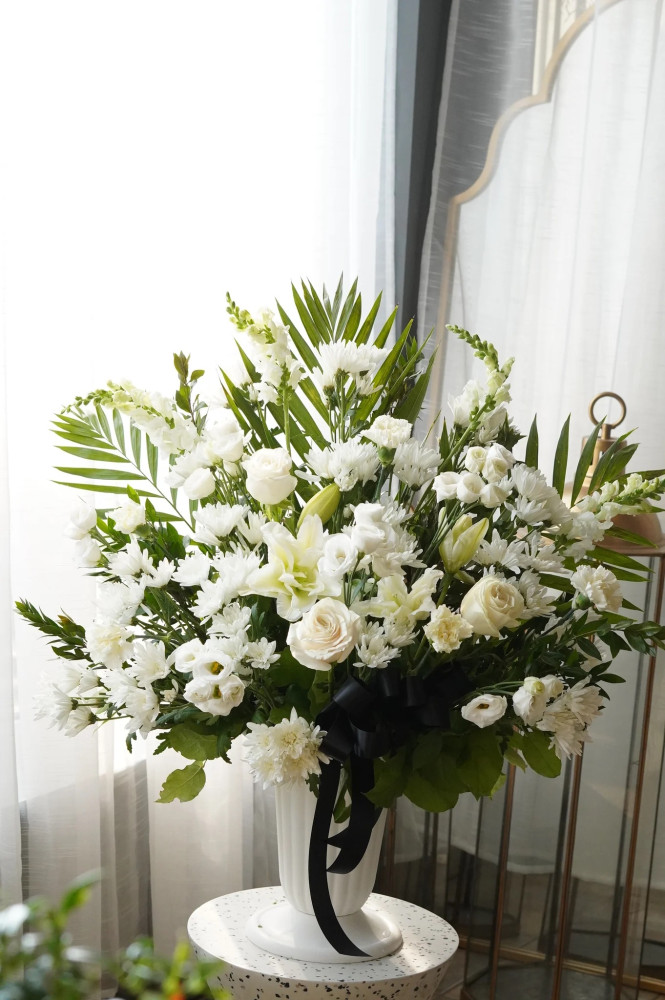
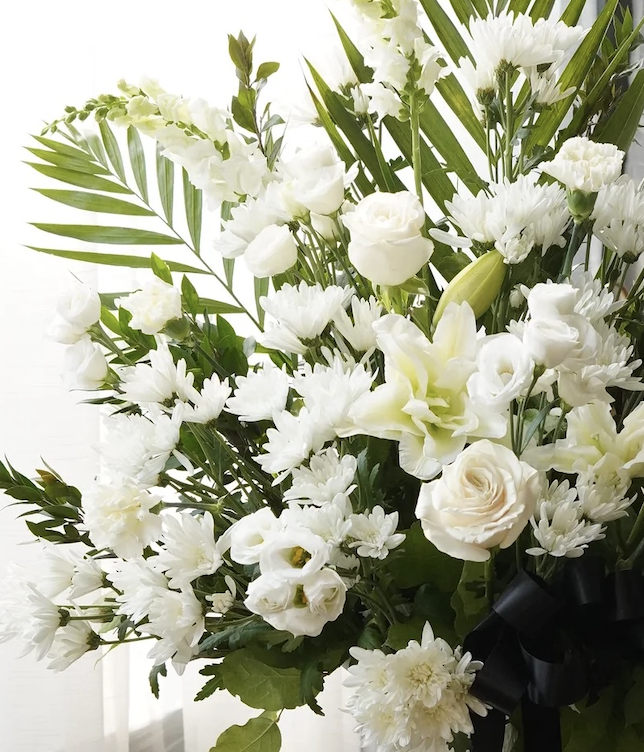
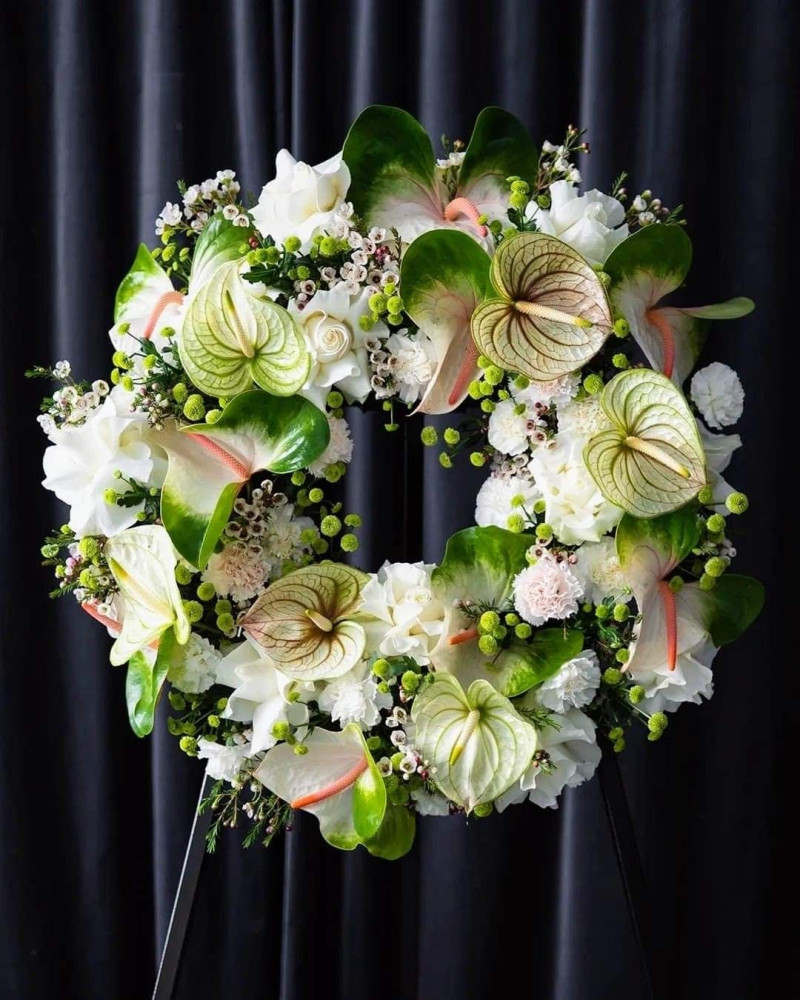
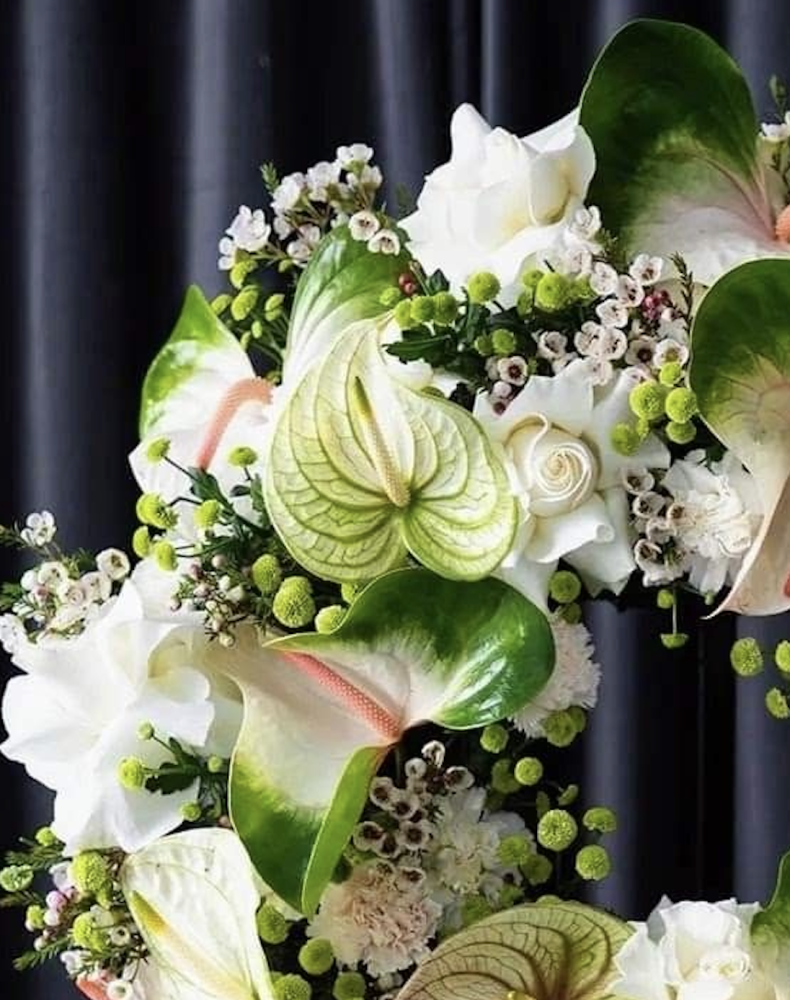
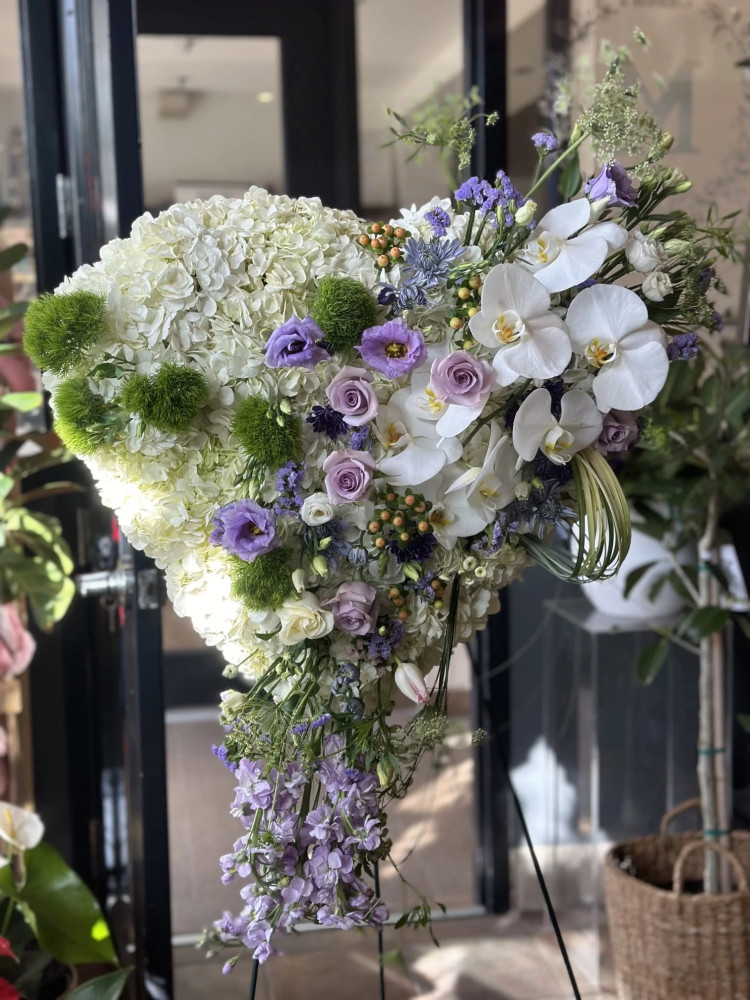
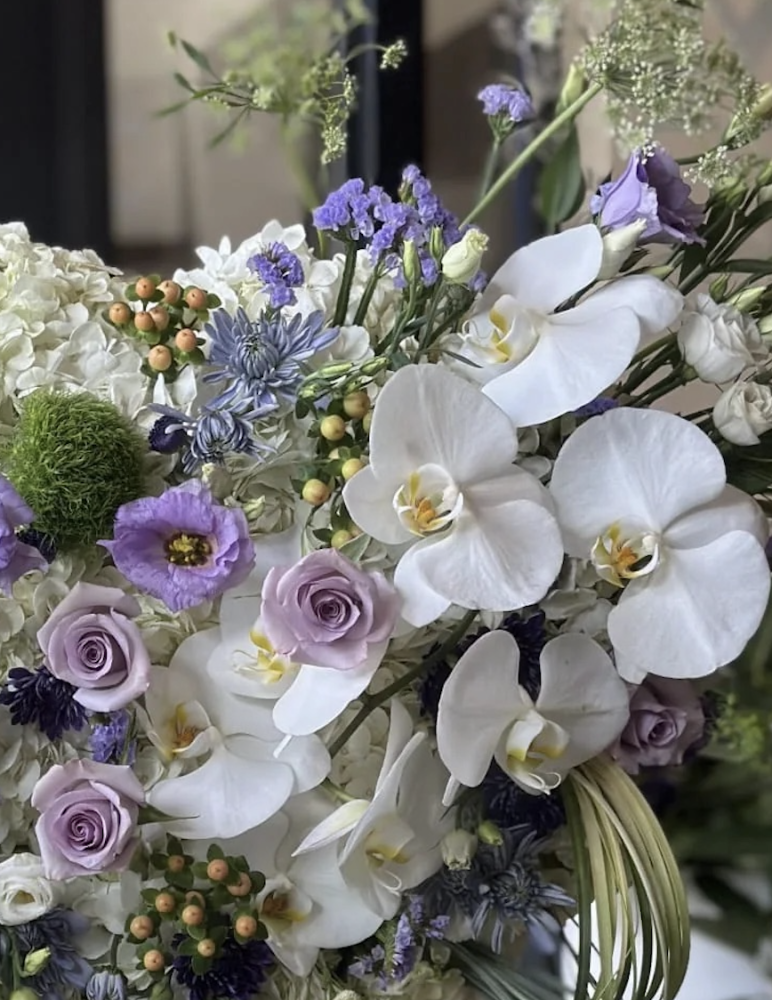
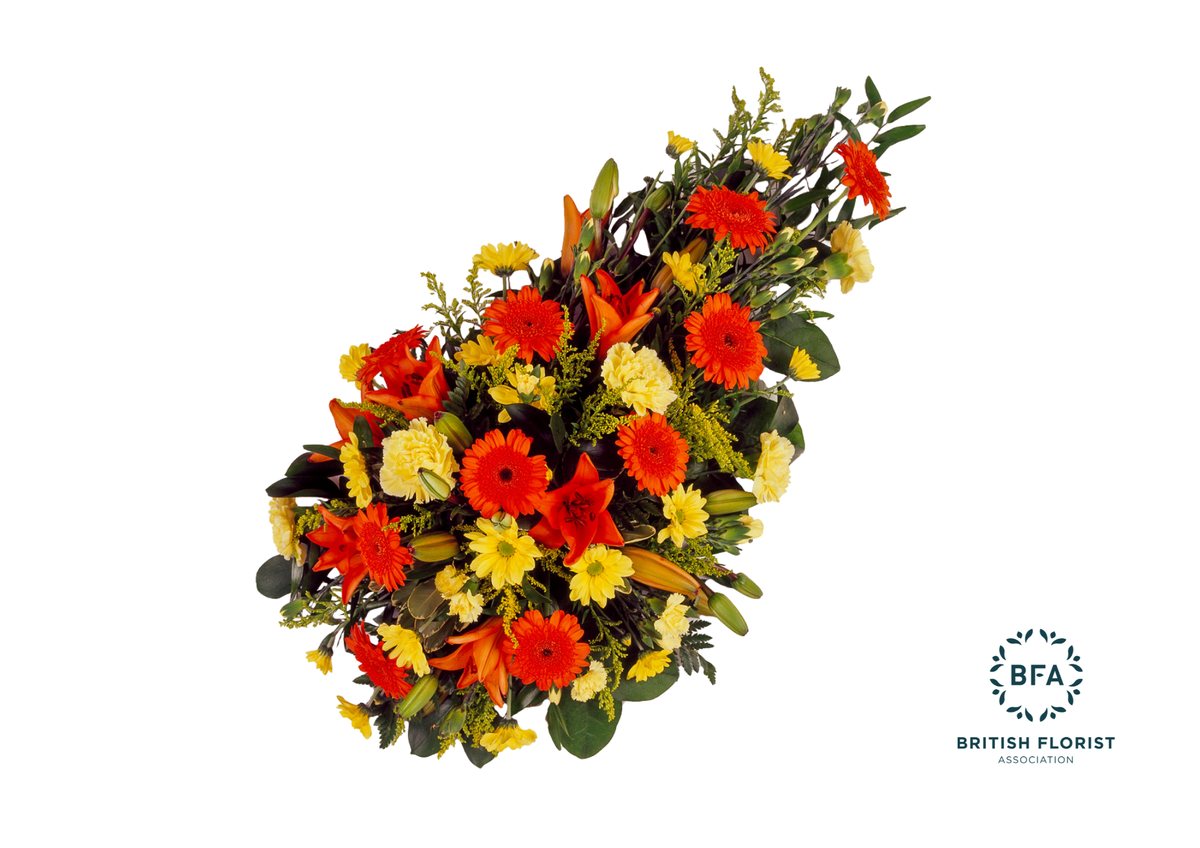
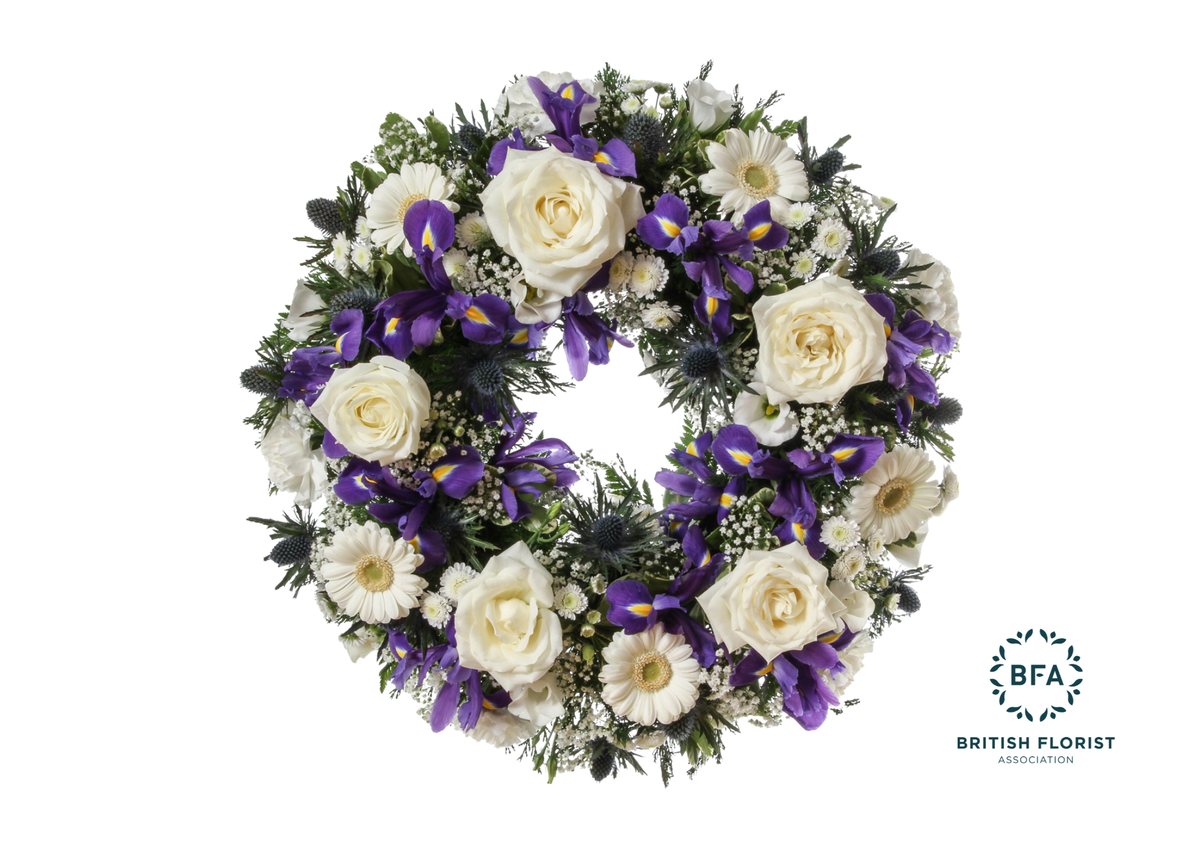
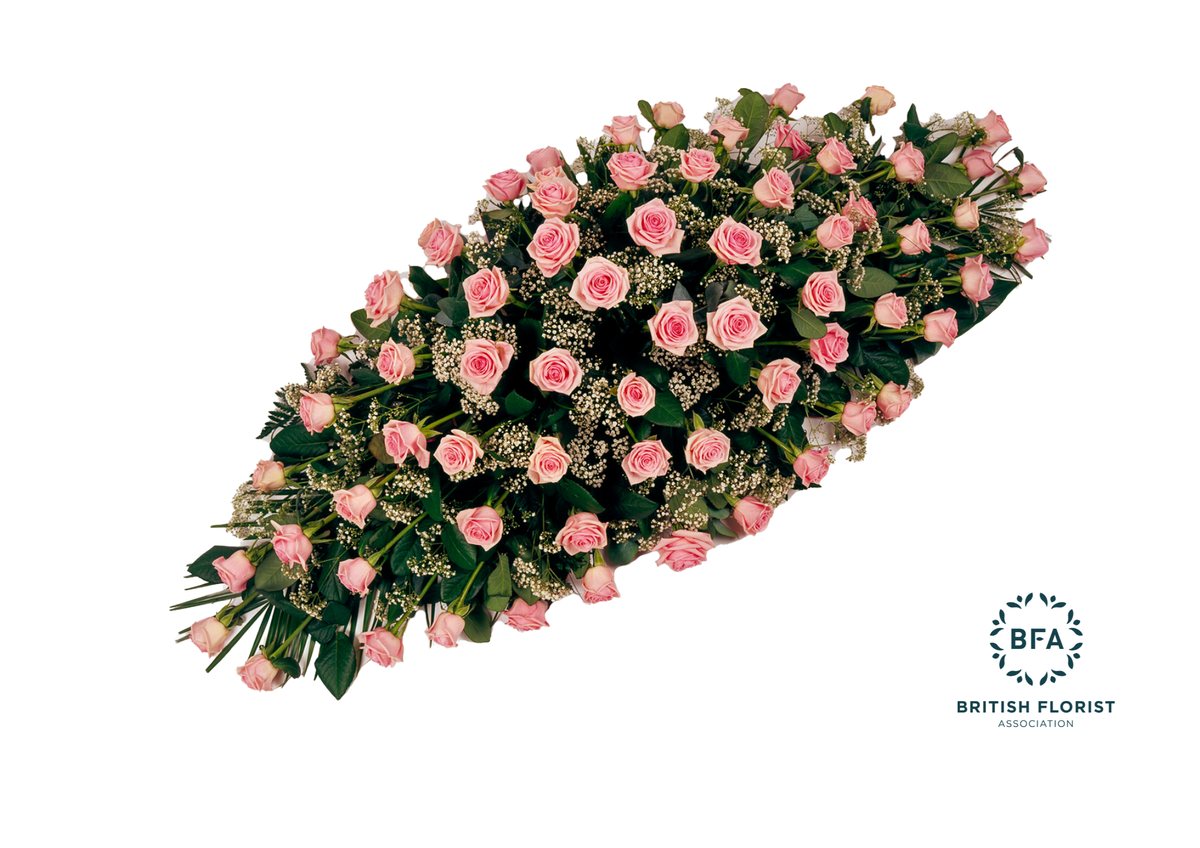
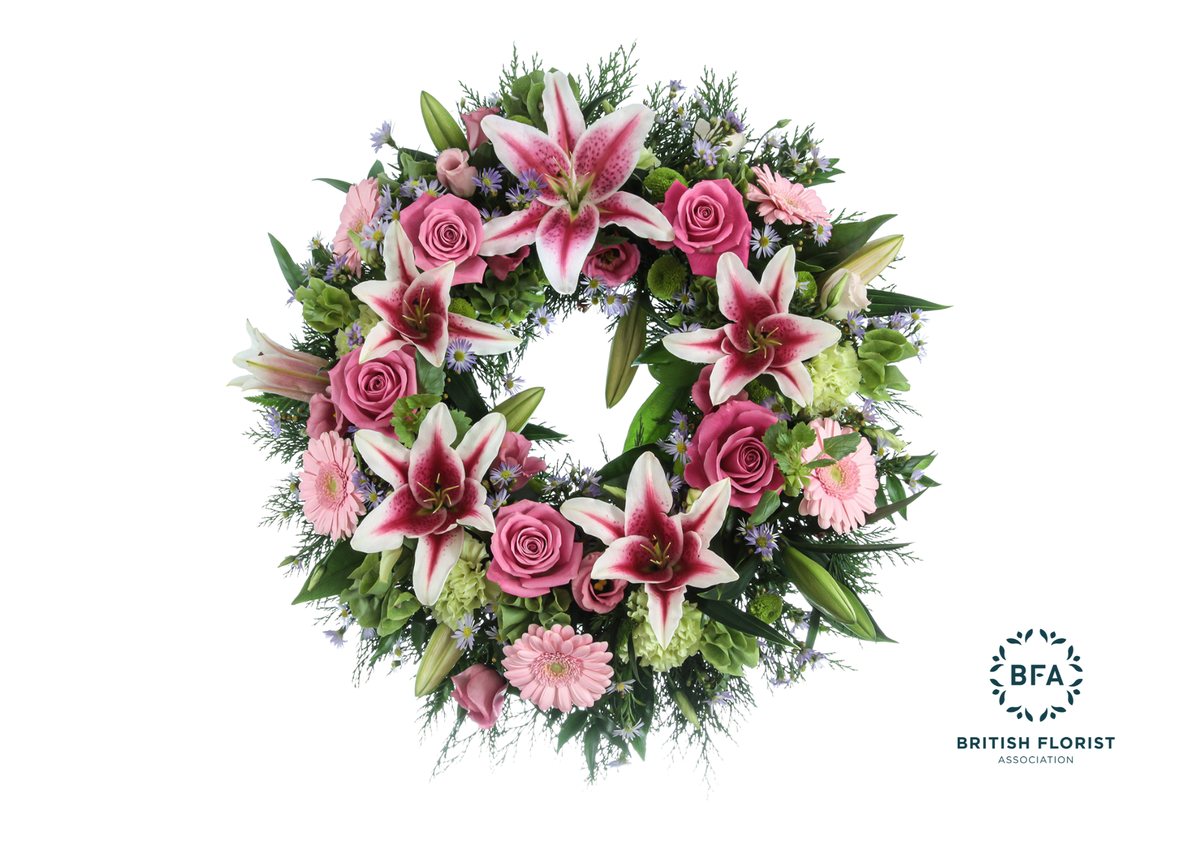
Sympathy flowers are sent to a person, not to a service — to a home or an office, for someone who has had bad news. Everything here is made to arrive quietly and to need nothing doing to it.
Sympathy Flower Delivery Across London and the UK
Sympathy flower delivery runs seven days a week from our studio at Unit 3, The Willows, 80 Willow Walk, London SE1 5SY. Order by 10 PM for same-day delivery across London and Greater London; delivery to mainland England, Wales and Scotland in two to three working days.
Deliveries of this kind are handled differently from the rest of our work. They are hand-carried and handed over without ceremony — our drivers know what they are carrying and do not announce it on the doorstep. If nobody answers, we do not leave sympathy flowers in a porch or with a random neighbour; we come back or we call you. If you would rather they were left with a specific person — a sibling, a neighbour who is helping, a colleague at reception — say so in the order notes and we will do exactly that.
If you are ordering from abroad for a household in London, the useful thing to include is a phone number for someone at the address who is not the bereaved person. It saves the family being called about a delivery.
Sympathy Flowers or Funeral Flowers: Which One You Actually Need
This is the question behind most calls we take on the subject, and the answer is decided by the address, not by the flowers.
Sympathy flowers go to the person. A bouquet or an arrangement sent to a home or a workplace, addressed to the living, at any point after the news. They are what you send when you cannot be there, when you did not know the person who died but you know the person grieving, or when you want to say something weeks later.
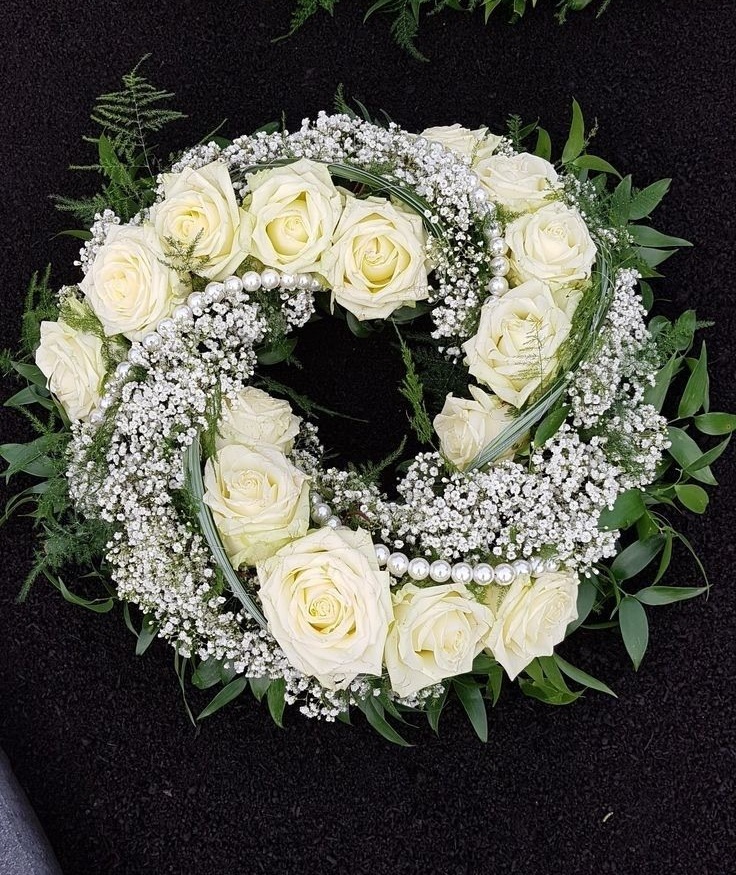
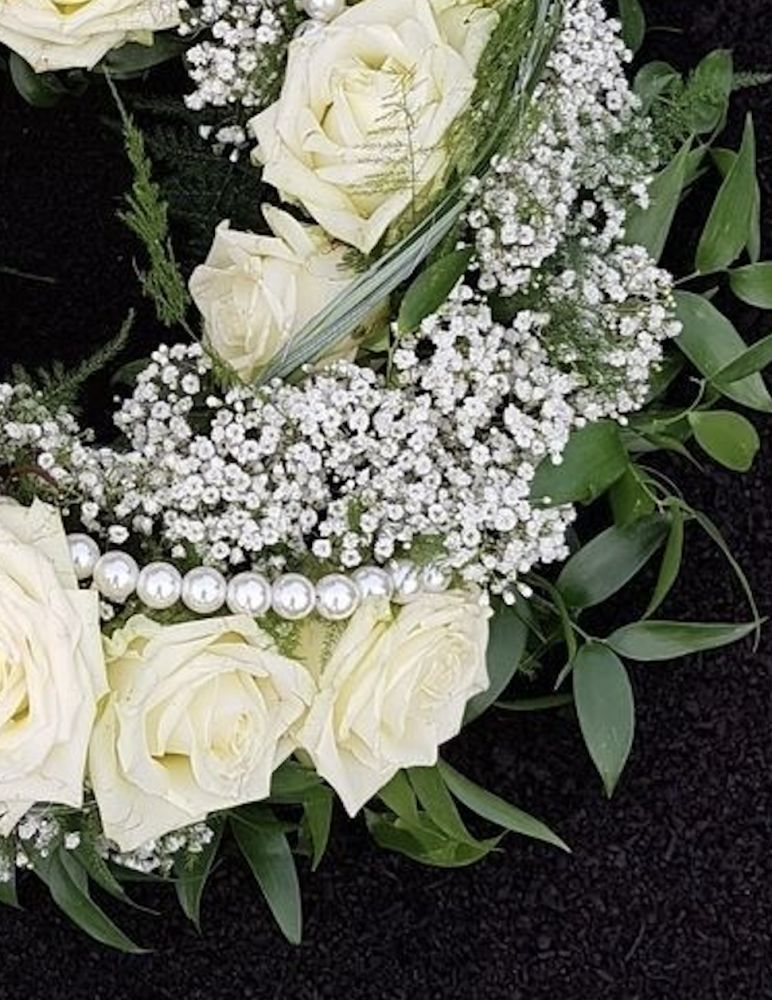
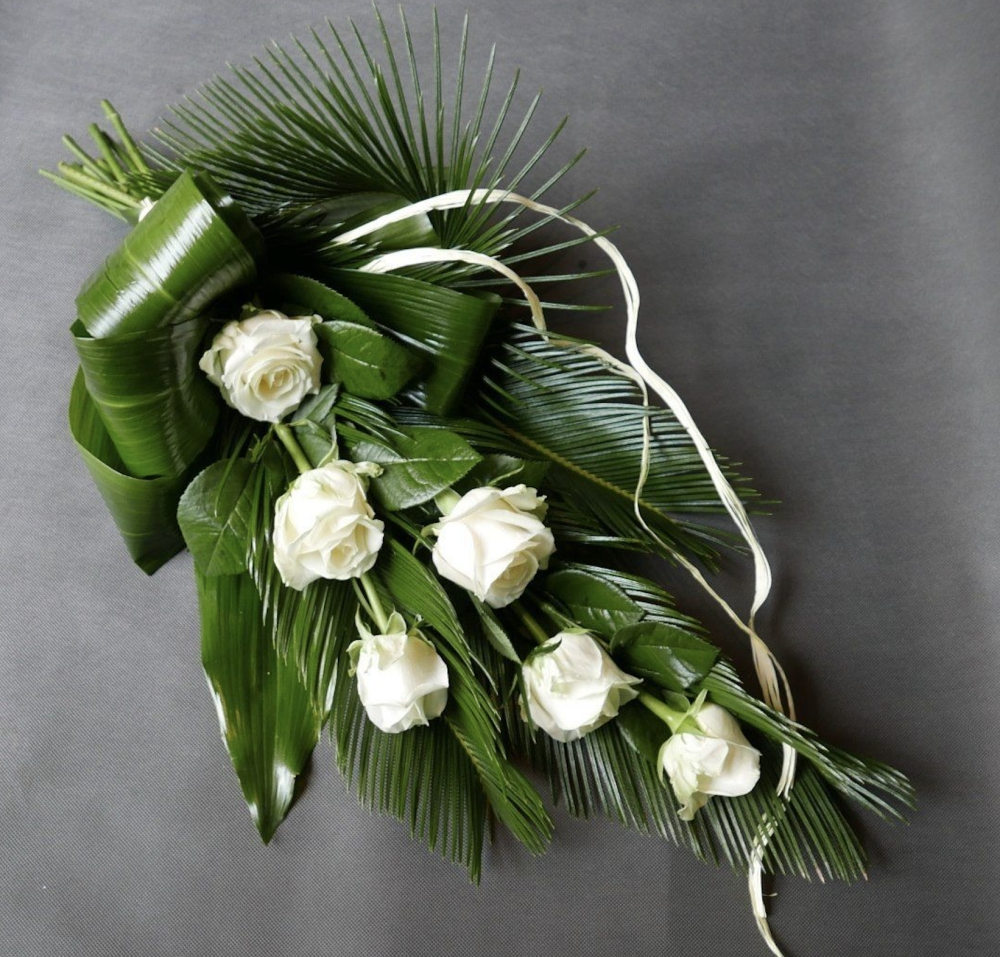
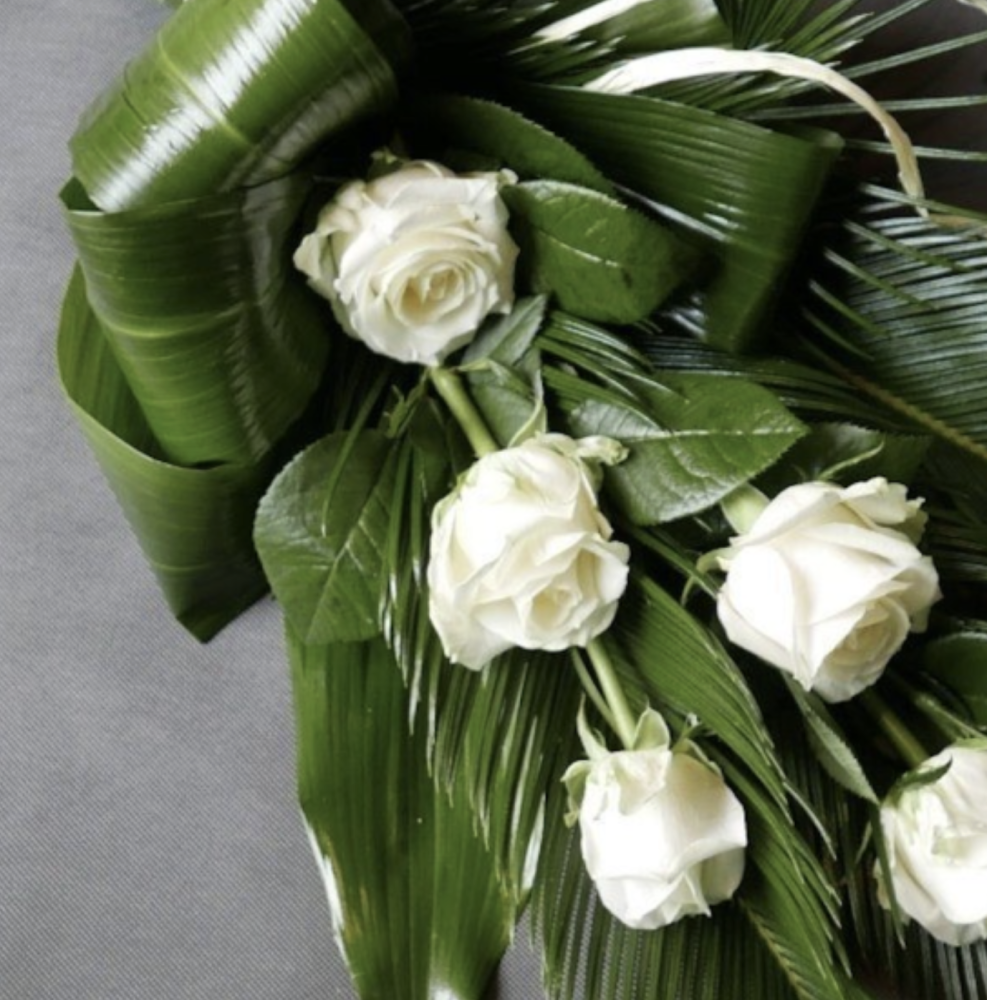
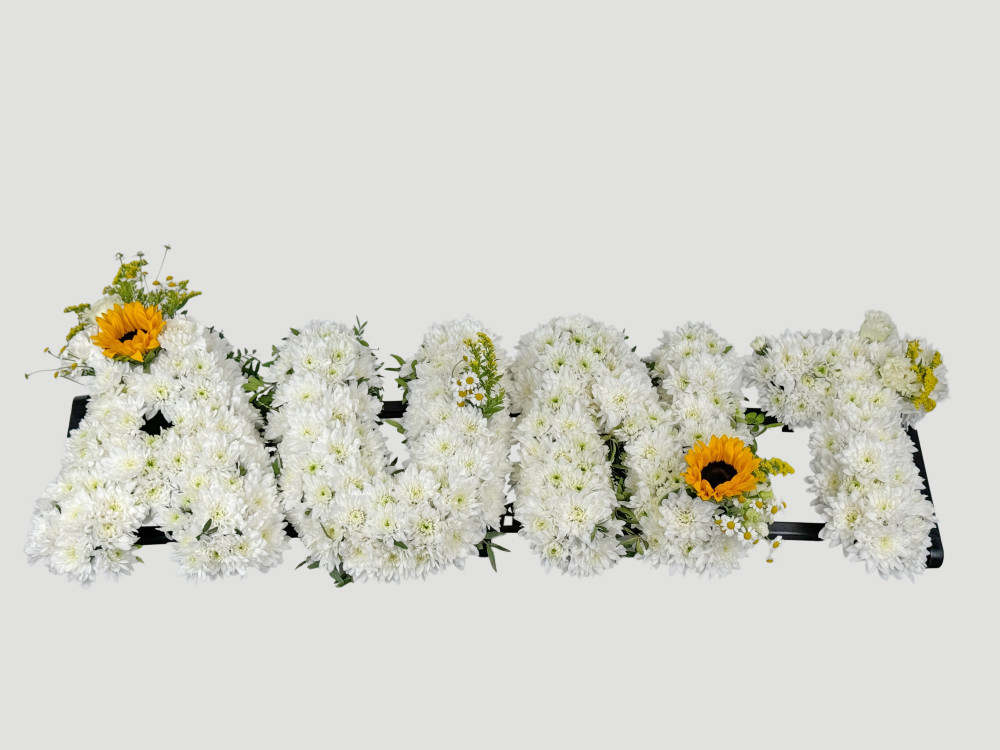
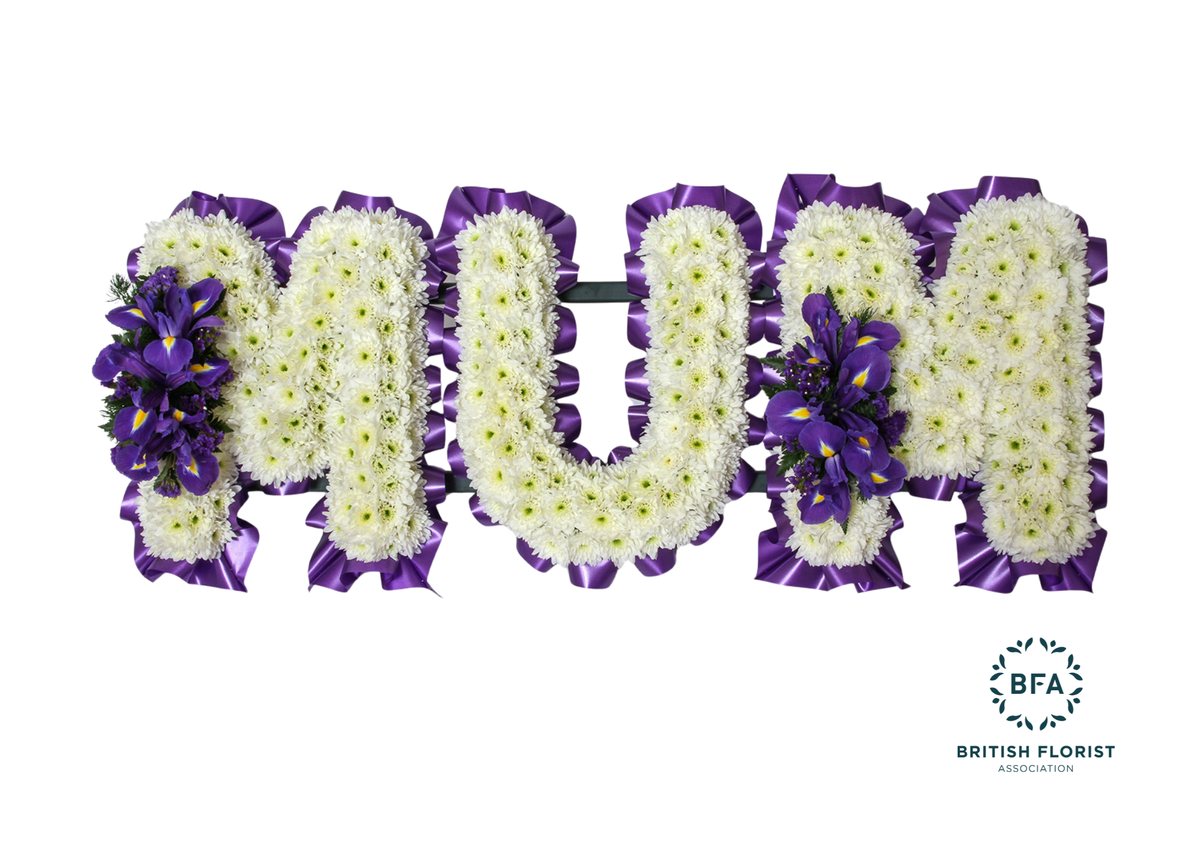
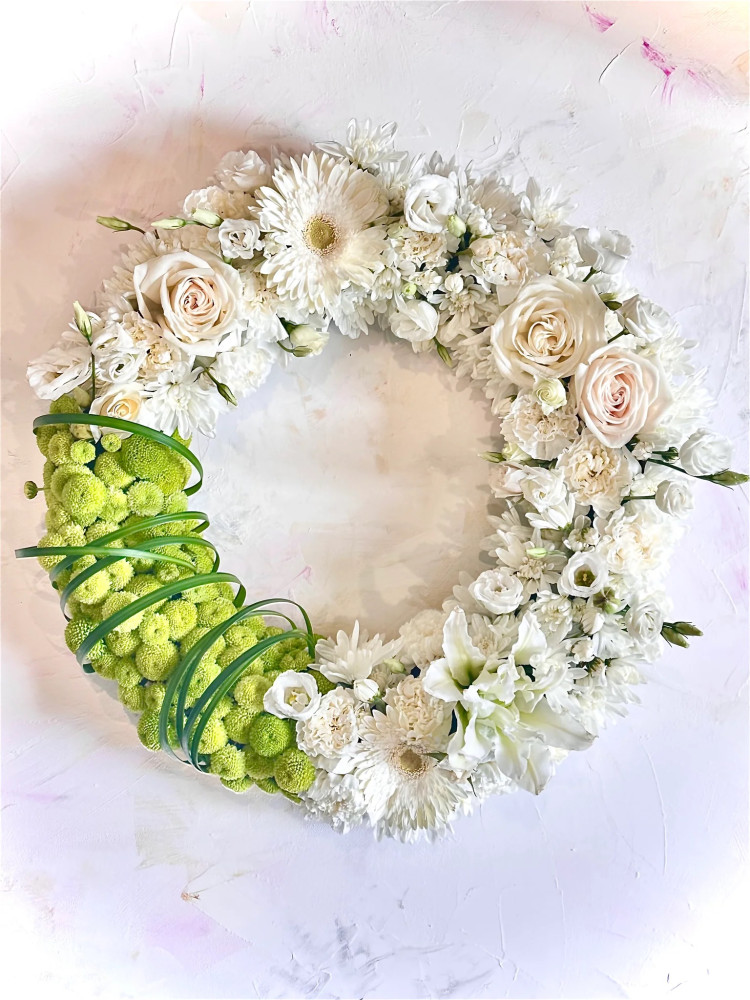
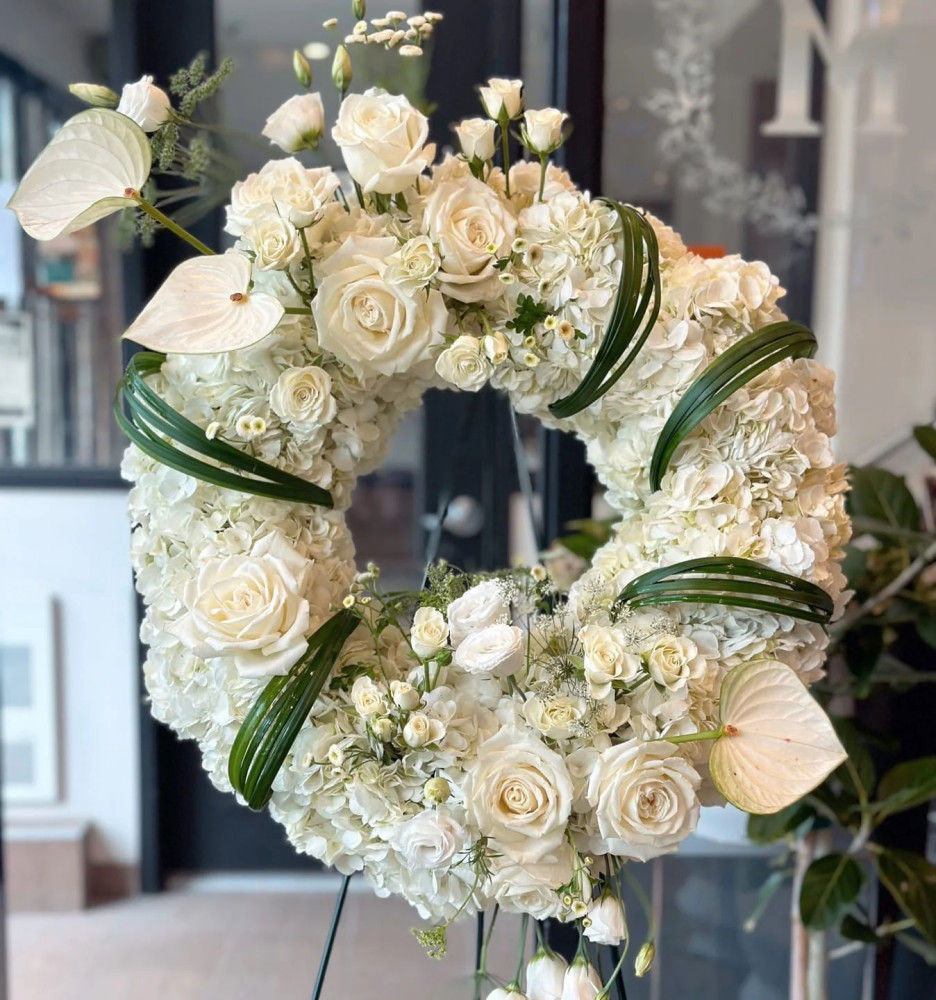
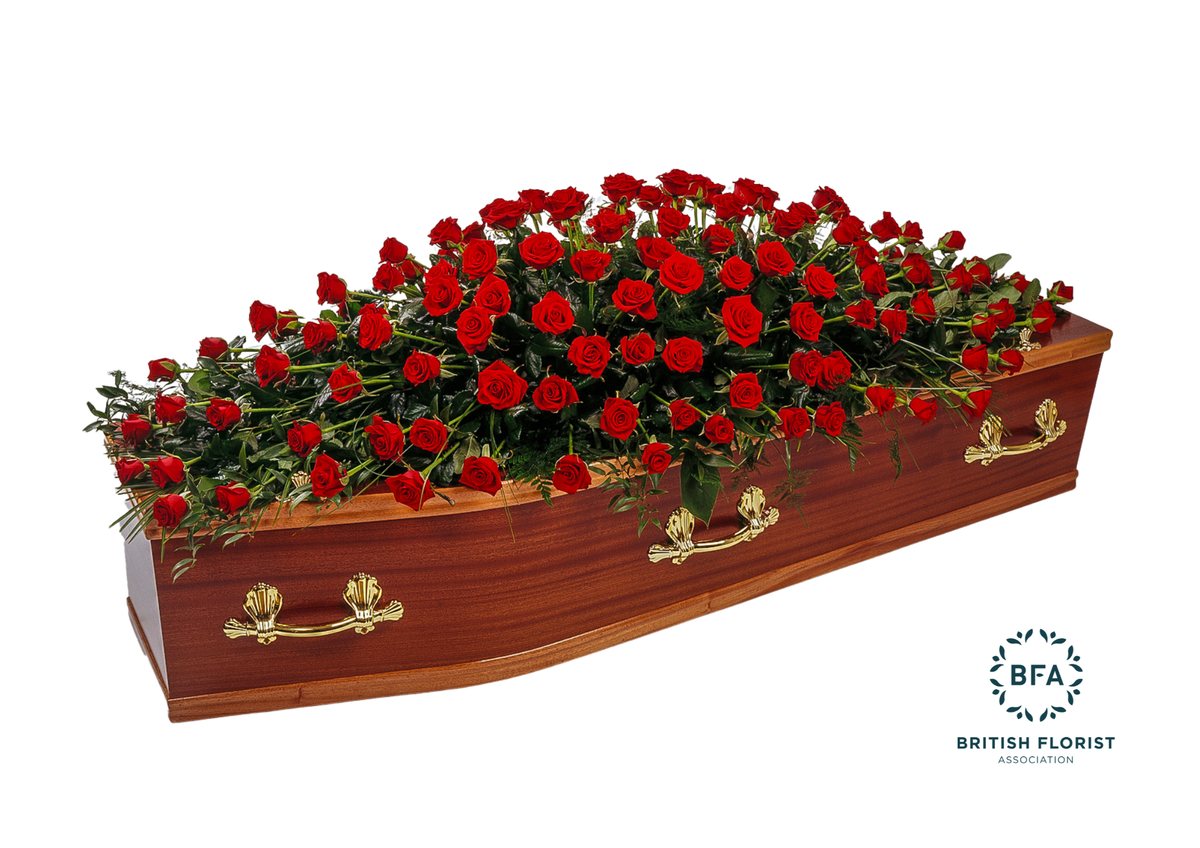
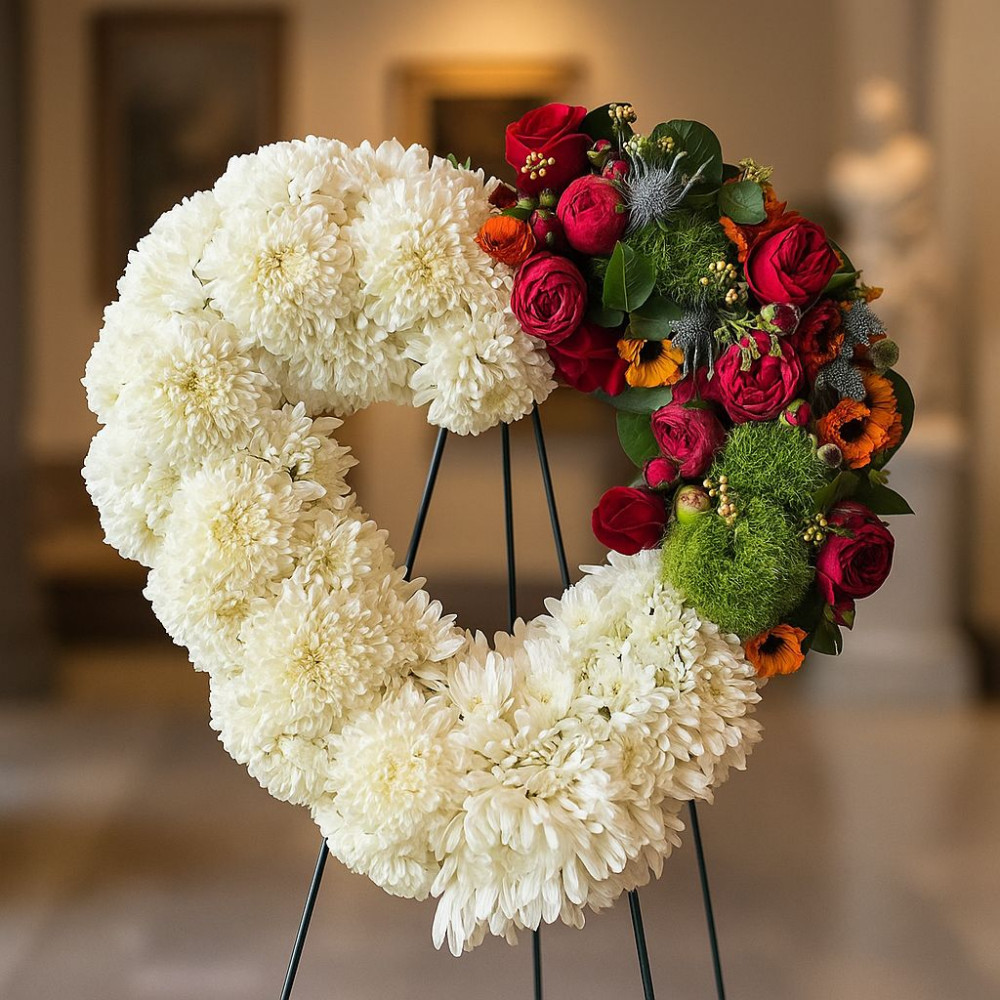
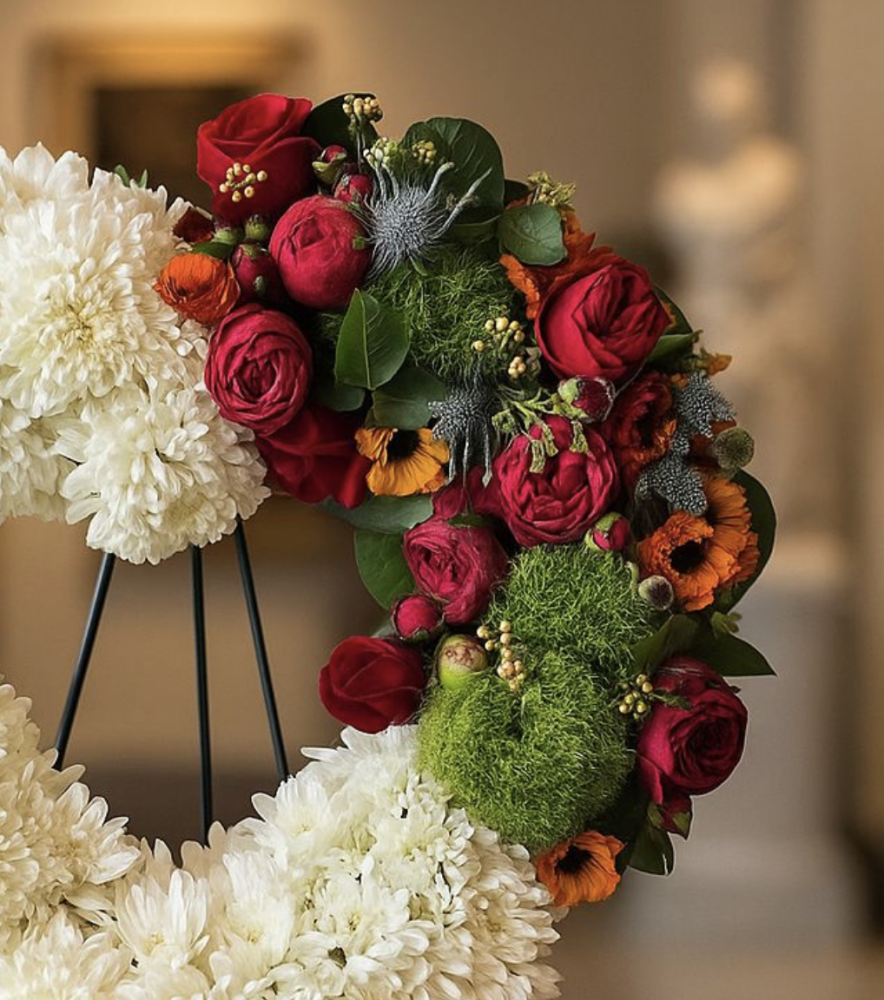
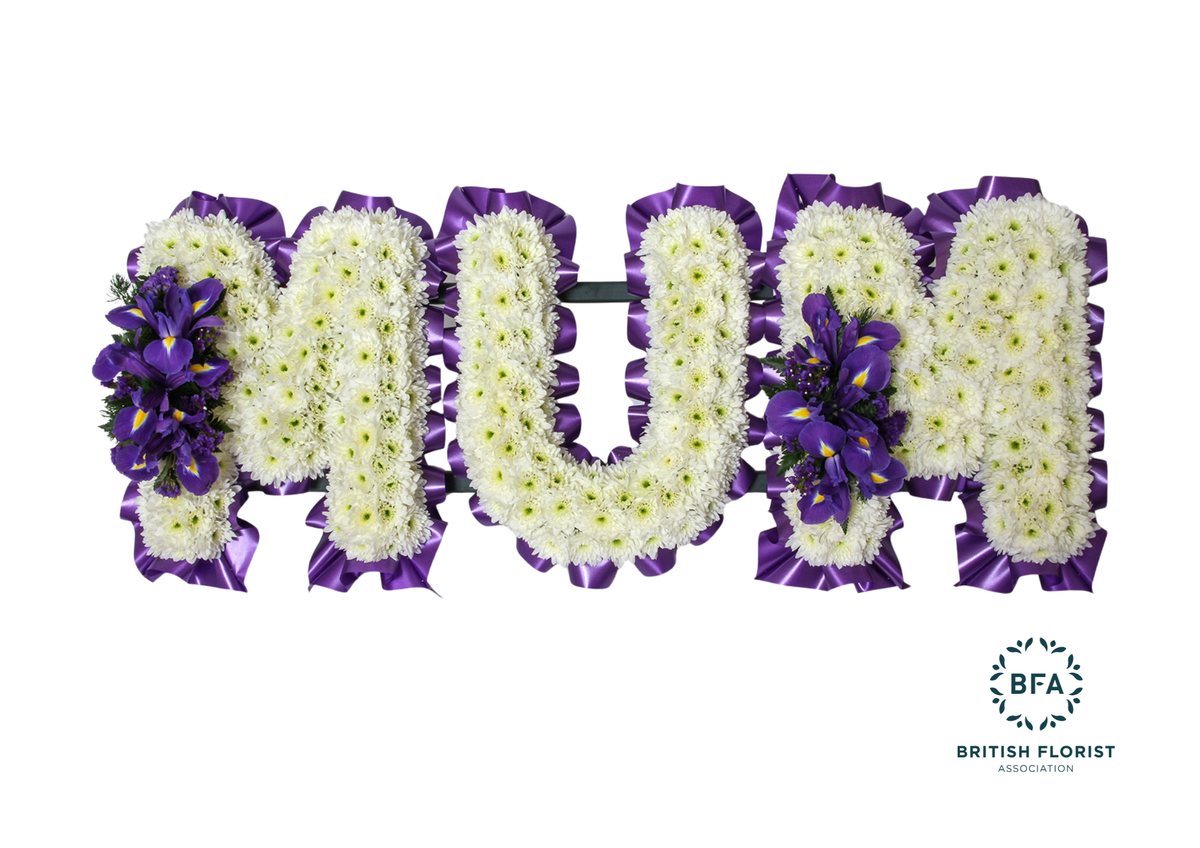
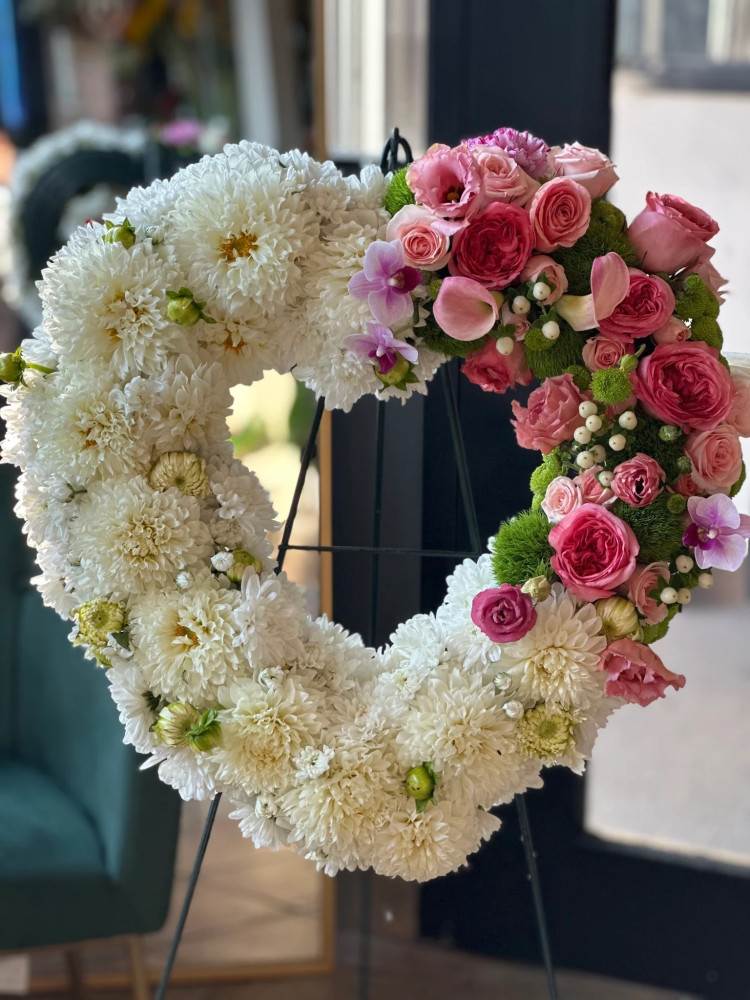
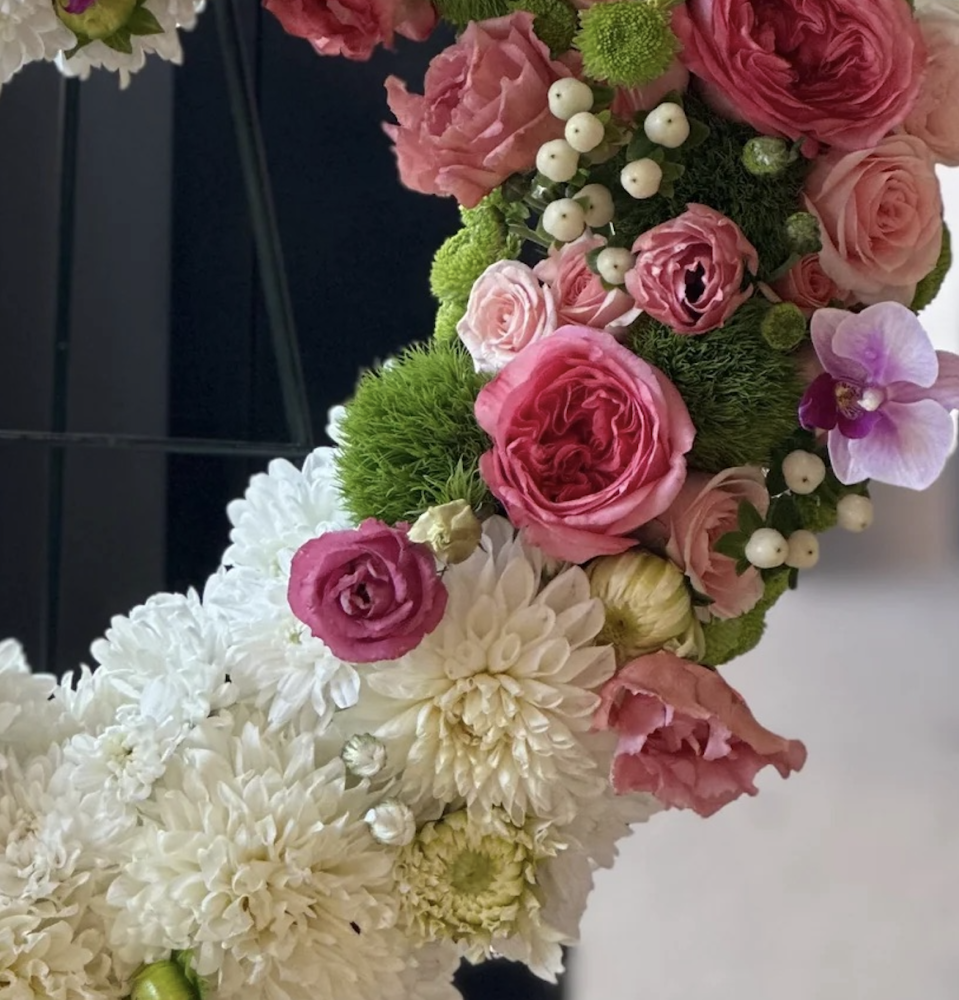
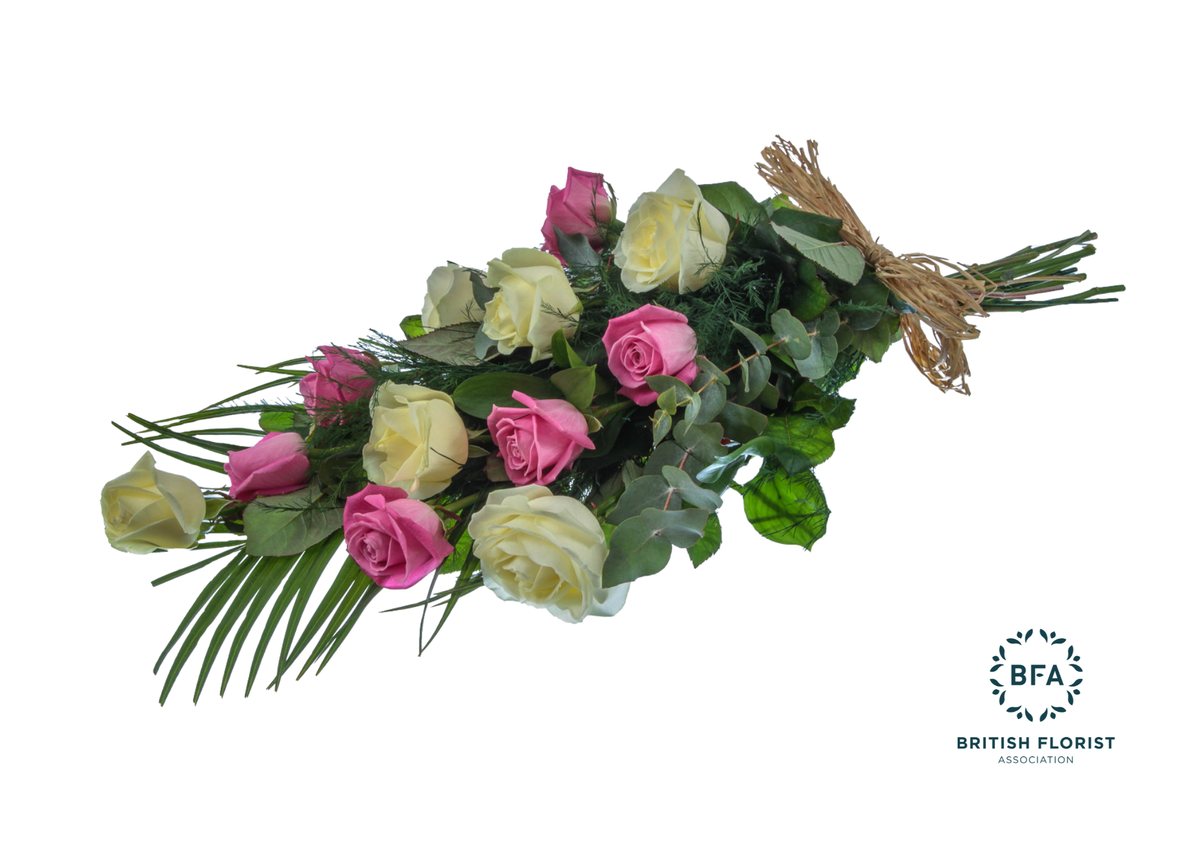
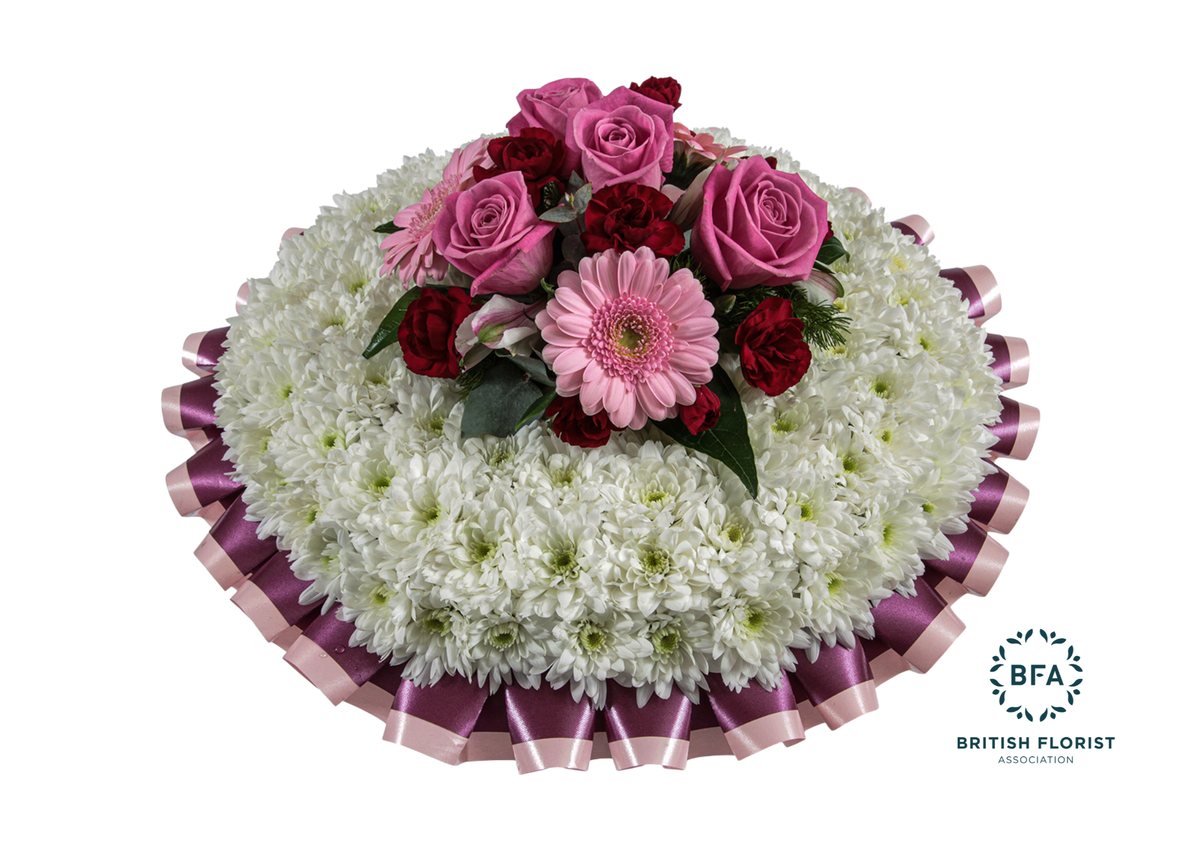
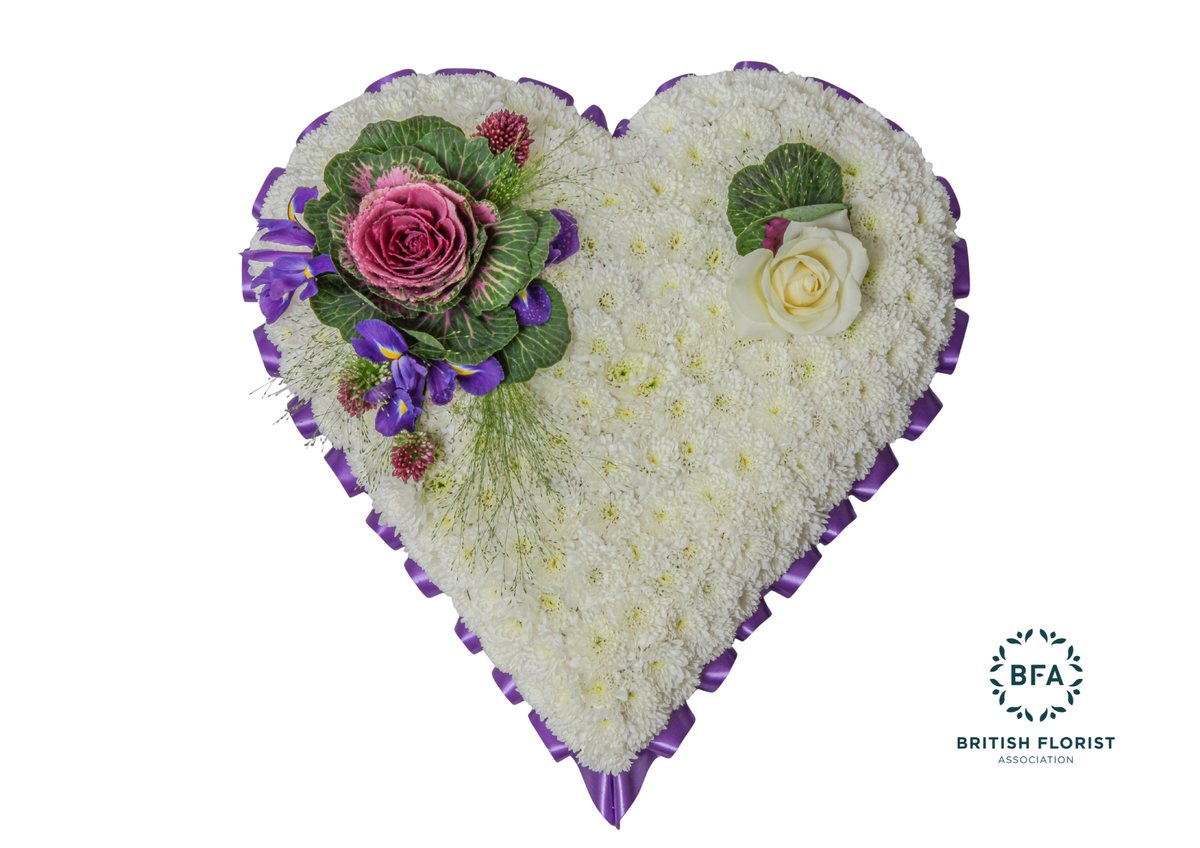
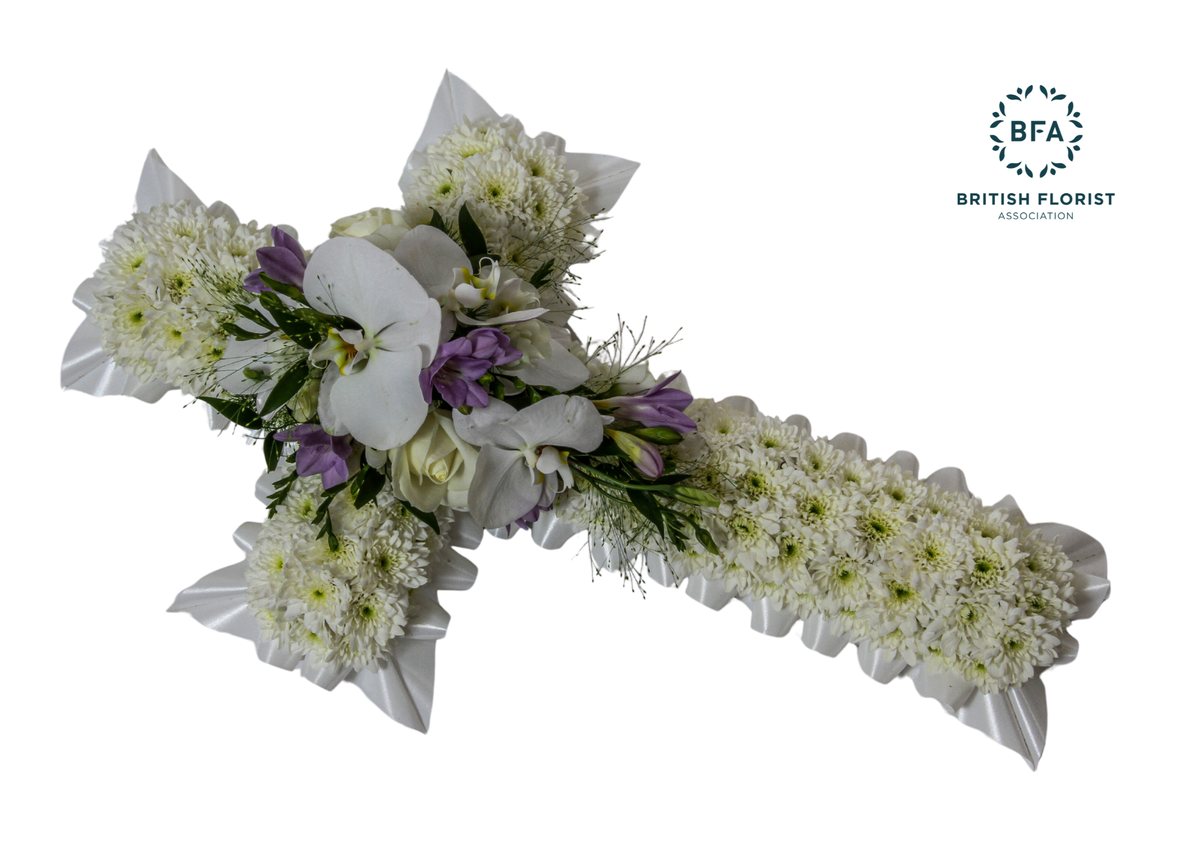
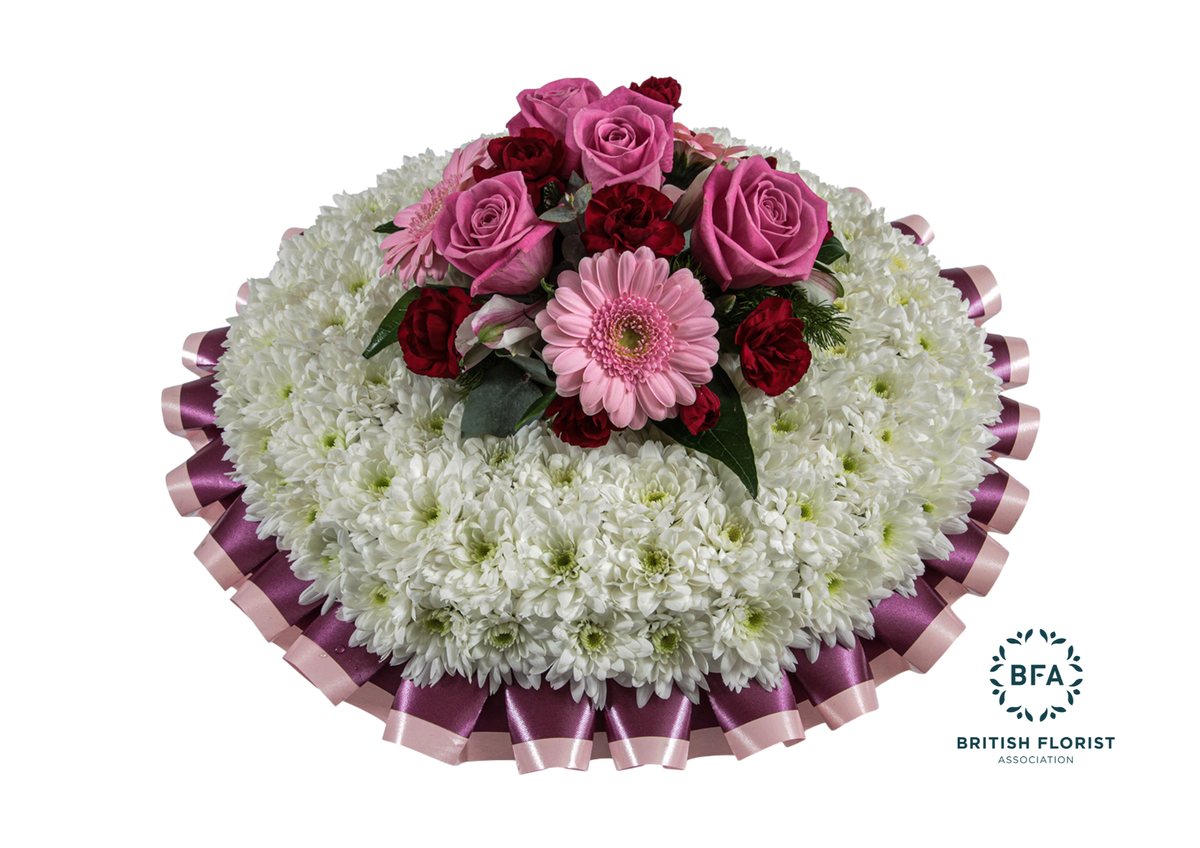
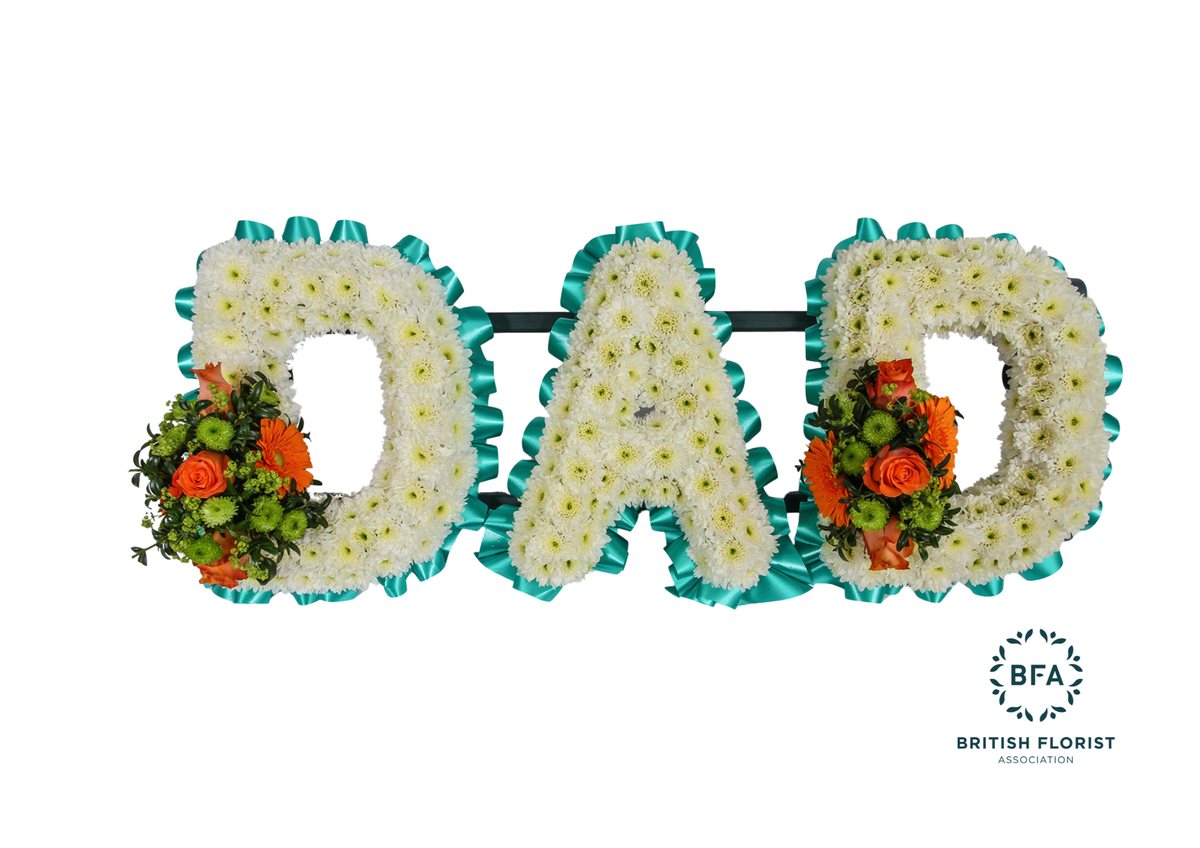
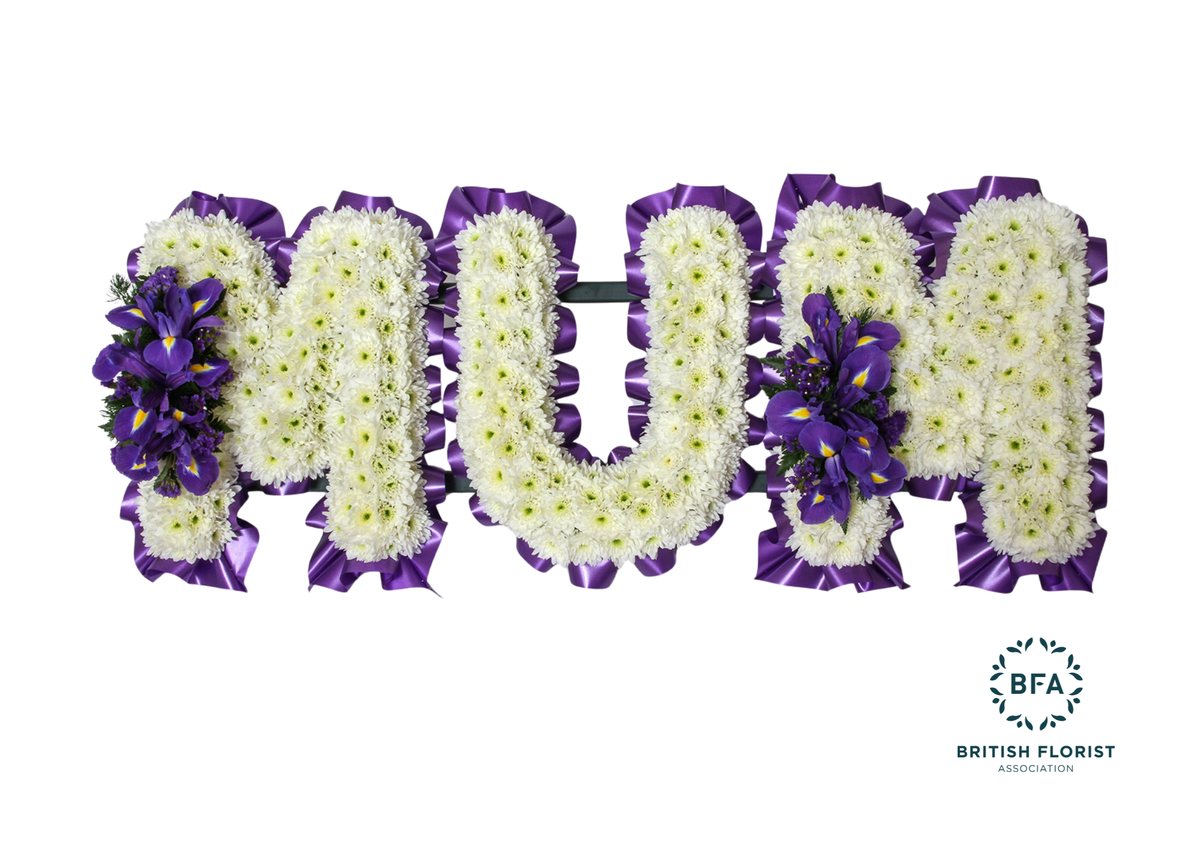
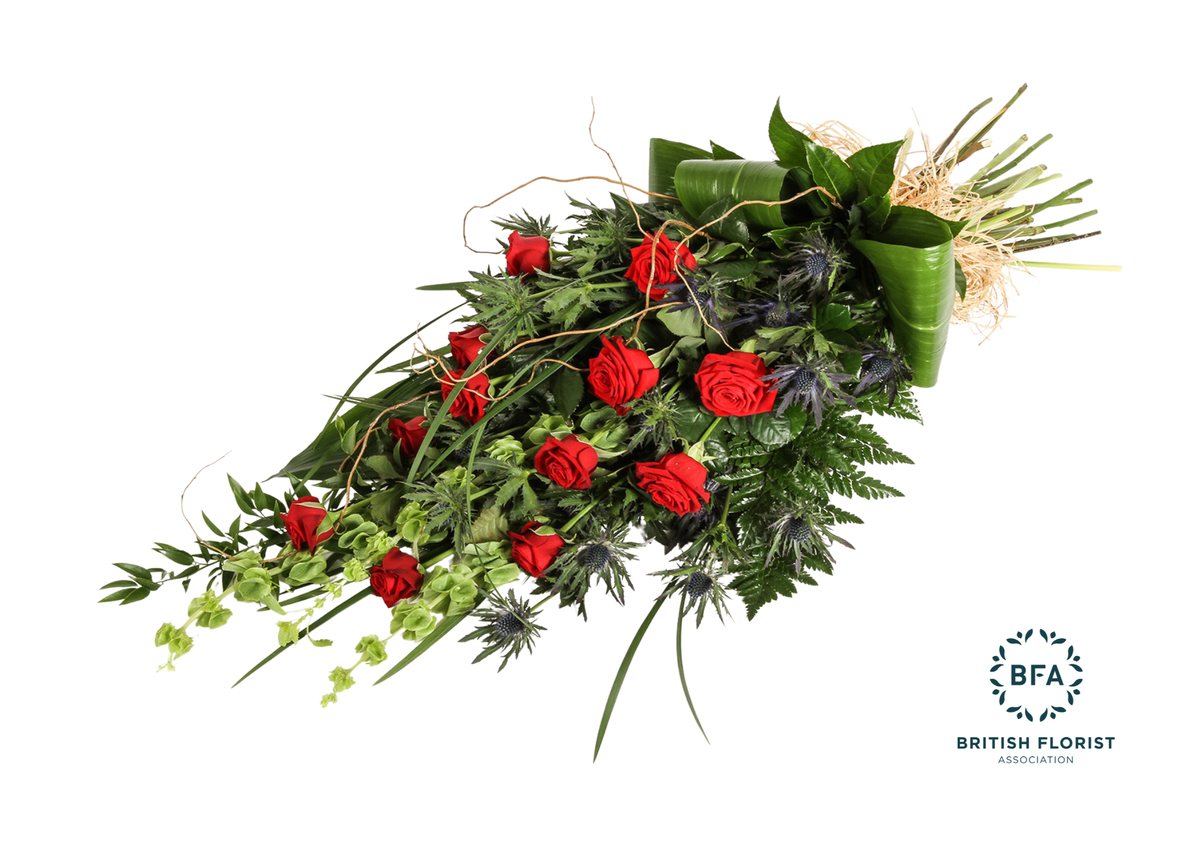
Funeral flowers go to the service. Wreaths, sheaves, sprays, cushions, letter tributes and casket work, addressed to the funeral director or the venue and timed to the ceremony. They are seen once, by everyone, and they follow a set of conventions about who sends which shape. If that is what you need, the funeral flowers collection is the right place, and our guide to funeral flower etiquette explains which tribute goes where and what the shapes mean.
The two are not interchangeable. A wreath delivered to a grieving household is a distressing object to receive; a hand-tied bouquet delivered to a crematorium has nowhere to go. If you are unsure which is being asked of you, ask the family or the funeral director for the name of the funeral home — if there is one, tributes go there.
What to Send, and What to Avoid
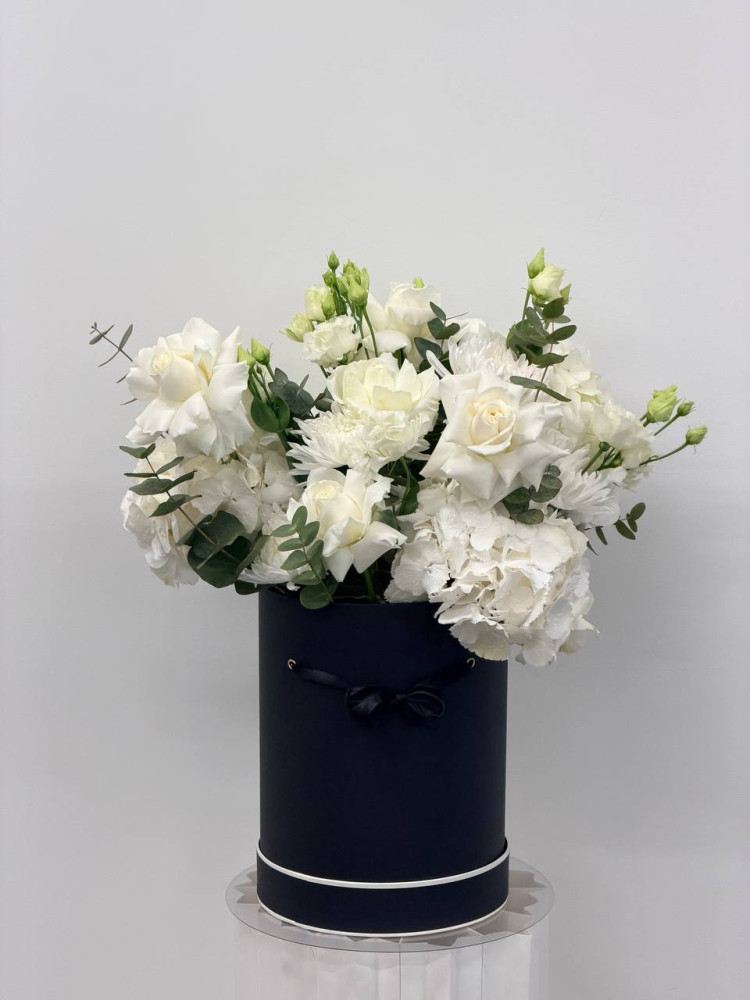
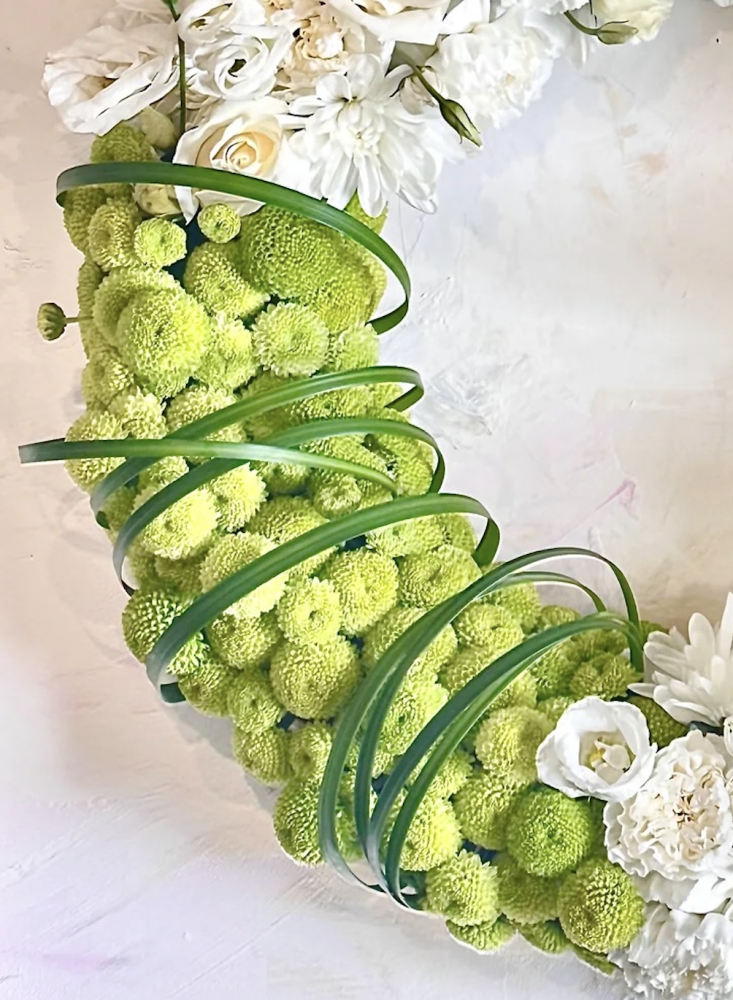
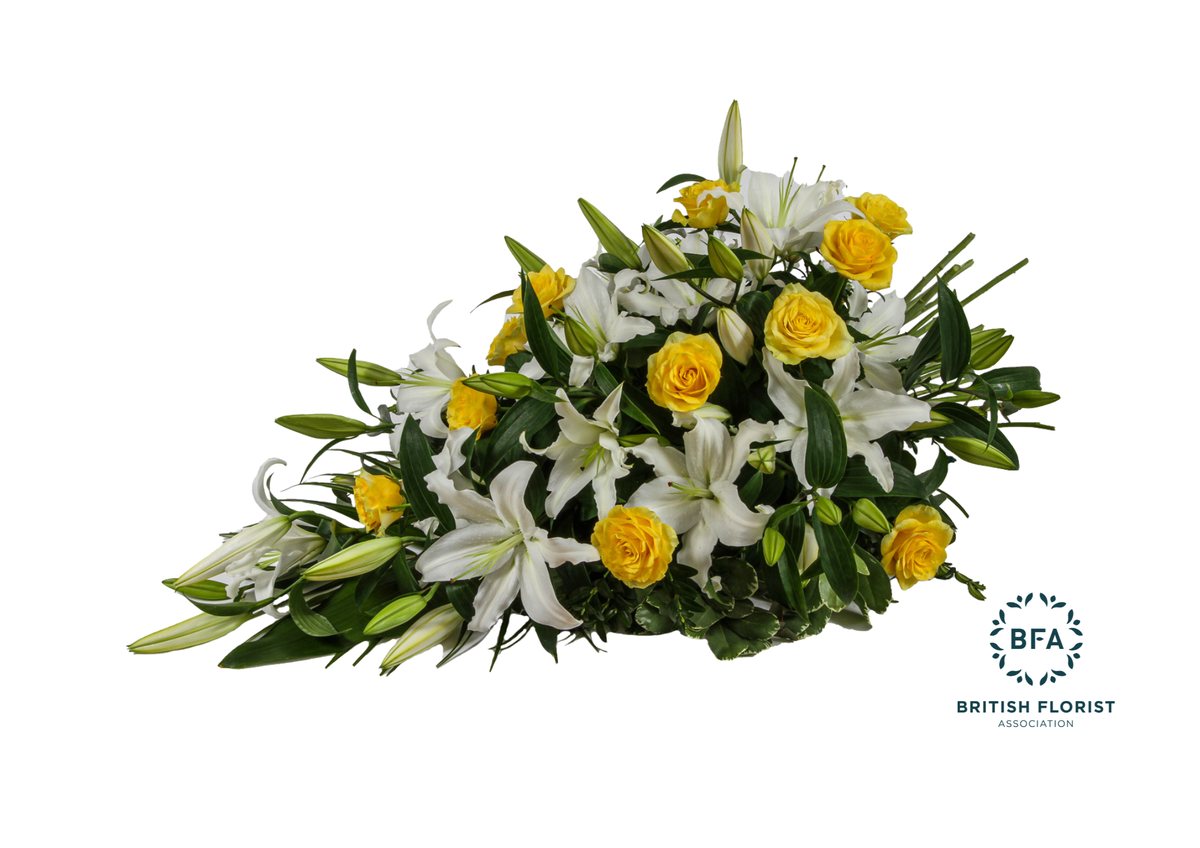
White and soft green is the traditional and safest choice in Britain: white chrysanthemums, lilies, roses, lisianthus and stock, with eucalyptus or ruscus through them. It is not a rule, but it is what will not be second-guessed by anyone who sees it.
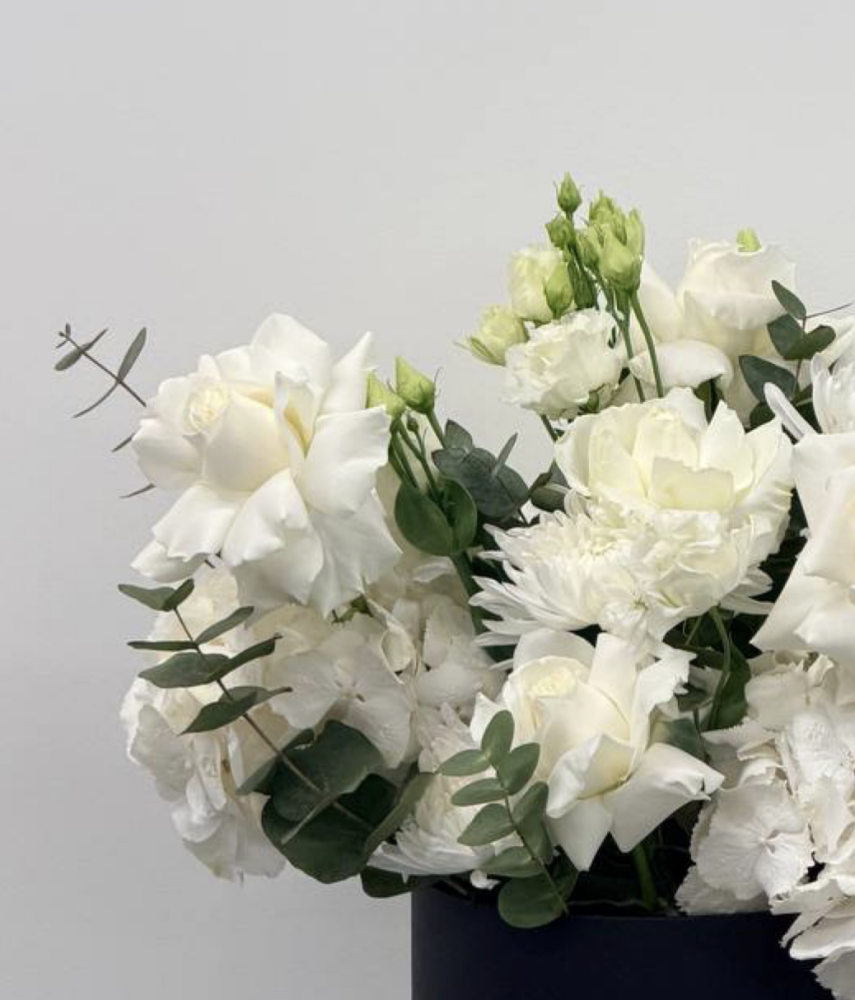
An arrangement in a basket or box is kinder than a wrapped bouquet, and this is the single most useful thing on this page. A wrapped bouquet asks a grieving household to find a vase, trim stems and deal with water — at a moment when the kitchen is full of other people’s casseroles and nobody can find anything. An arrangement arrives finished and is put down.
Things worth a moment’s thought. Lilies are the classic sympathy flower and also toxic to cats, so if there is a cat in the house choose something else. Strong scent in a small flat becomes oppressive over a week. Anything bright and celebratory is the wrong instinct unless you knew the person well enough to know they would have wanted exactly that — and some people did, in which case send it and say why on the card. If the family has an origin where chrysanthemums are strictly funereal, or where white is the colour of mourning, that is worth knowing before you choose.
When to Send: Later Is Often Better Than Immediately
Almost everything arrives in the first week. Cards, calls, food, flowers, people at the door — and then, quite abruptly, nothing.
Flowers sent two, four or six weeks after a death are noticed far more than flowers sent on day three, because by then the house is quiet and the person is dealing with the part nobody helps with: the paperwork, the empty afternoons, the first weekend alone. There is no etiquette against it. “I have been thinking about you all month” is a complete and sufficient message.
The same is true of anniversaries. The first anniversary of a death is a day most people expect to get through unacknowledged, and a bouquet that arrives on it is remembered for years. If you want us to hold a date, book it at checkout — you can order months ahead.
And there is no wrong time for the other kind of bad news: a diagnosis, a miscarriage, a marriage ending. Flowers sent then are not sympathy flowers in the formal sense, but they do the same job, which is to say that someone outside the house is thinking about what is happening inside it.
What to Write on the Card
Short and plain outdoes eloquent every time. “Thinking of you”, “With our love”, “So sorry for your loss” are all better than a paragraph, and none of them can be got wrong.
If you want to say more, say one specific true thing about the person who died rather than something general about grief. “He gave me my first job and I have never forgotten it” is worth more than any sentence beginning “words cannot express”. Avoid anything that instructs the reader how to feel — “be strong”, “at least”, “everything happens for a reason” — and avoid religious framing unless you are certain it is shared.
Sign with your full name if there is any chance the household will not know which Sarah you are. Grieving people are handed a great many cards in a short time, and a first name alone can be genuinely unplaceable.
We take card messages online and by phone on +44 7458 683130 if you would rather say it aloud than type it, and we will read it back to you before it is written.
Sympathy Flowers — Questions We Are Asked
What is the difference between sympathy flowers and funeral flowers?
Where they go. Sympathy flowers go to the person — a bouquet or arrangement to a home or workplace, at any point after the news, including weeks later when everyone else has stopped calling. Funeral flowers go to the service: wreaths, sheaves, sprays and casket tributes, addressed to the funeral director or the venue and timed to the ceremony. If you are sending to a service rather than a person, our funeral flowers are the right collection.
What should I send, and what should I avoid?
White and soft green is the traditional and safest choice in Britain — white chrysanthemums, lilies, roses and lisianthus. An arrangement in a basket or box is kinder than a wrapped bouquet, because it arrives finished and does not ask a grieving household to find a vase. Avoid anything bright and celebratory unless you knew the person well enough to know they would have wanted it, and avoid lilies if there is a cat in the house.
What do I write on the card?
Short and plain outdoes eloquent every time. “Thinking of you”, “With our love”, “So sorry for your loss” are all better than a paragraph. If you say more, make it one specific true thing about the person rather than a general statement about grief. Sign with your full name if the household might not place you.
How quickly can you deliver, and is it discreet?
Order by 10 PM for same-day delivery across London and Greater London, seven days a week; delivery to mainland England, Wales and Scotland in two to three working days. Deliveries are hand-carried and handed over quietly. We do not leave sympathy flowers on a doorstep or with an uninvolved neighbour — if nobody answers we call you.
Is it too late to send flowers weeks after a death?
No, and later is often better. Everything arrives in the first week and then stops, so flowers that come at four or six weeks land in the silence rather than in the crowd. “I have been thinking of you” is a complete message. The same applies to the first anniversary, which most people expect to pass unmarked.
Can you deliver directly to a funeral home or a crematorium?
Yes, and for tributes that is the right address. Give us the name of the funeral director, the name of the deceased and the time of the service, and we deliver ahead of it — usually the morning of, or the day before where the venue accepts it. Tell us the service time even if you do not know the venue’s policy; we will call them.
Do you make named tributes, wreaths and casket work?
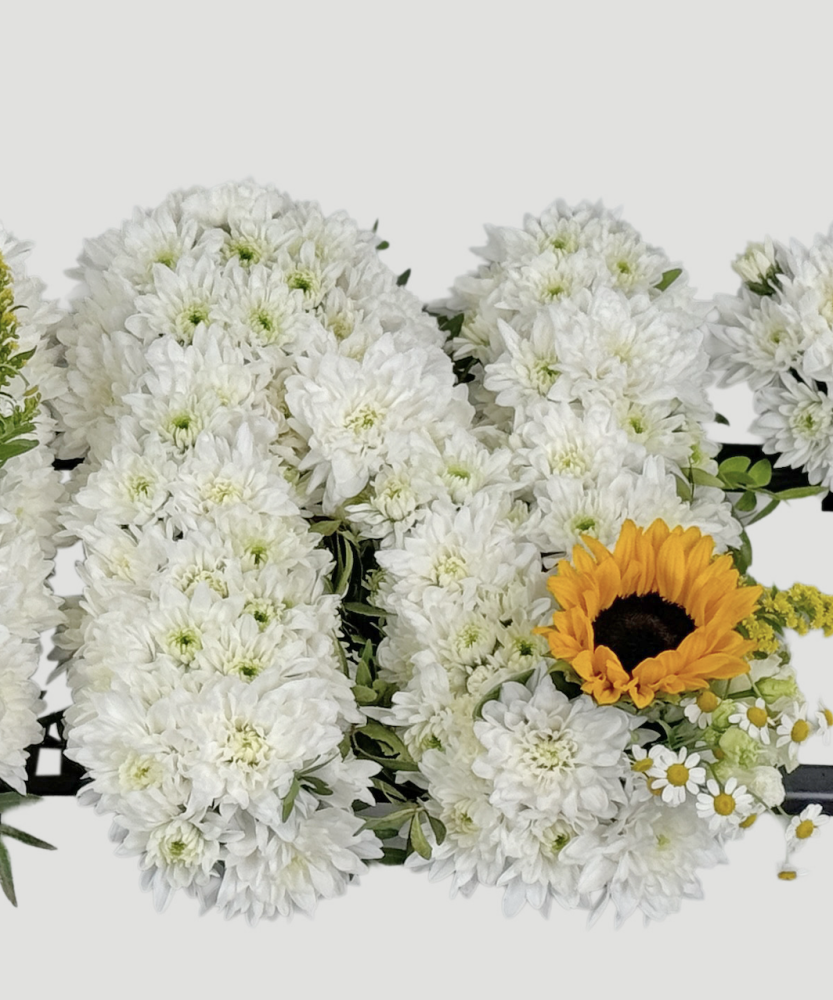
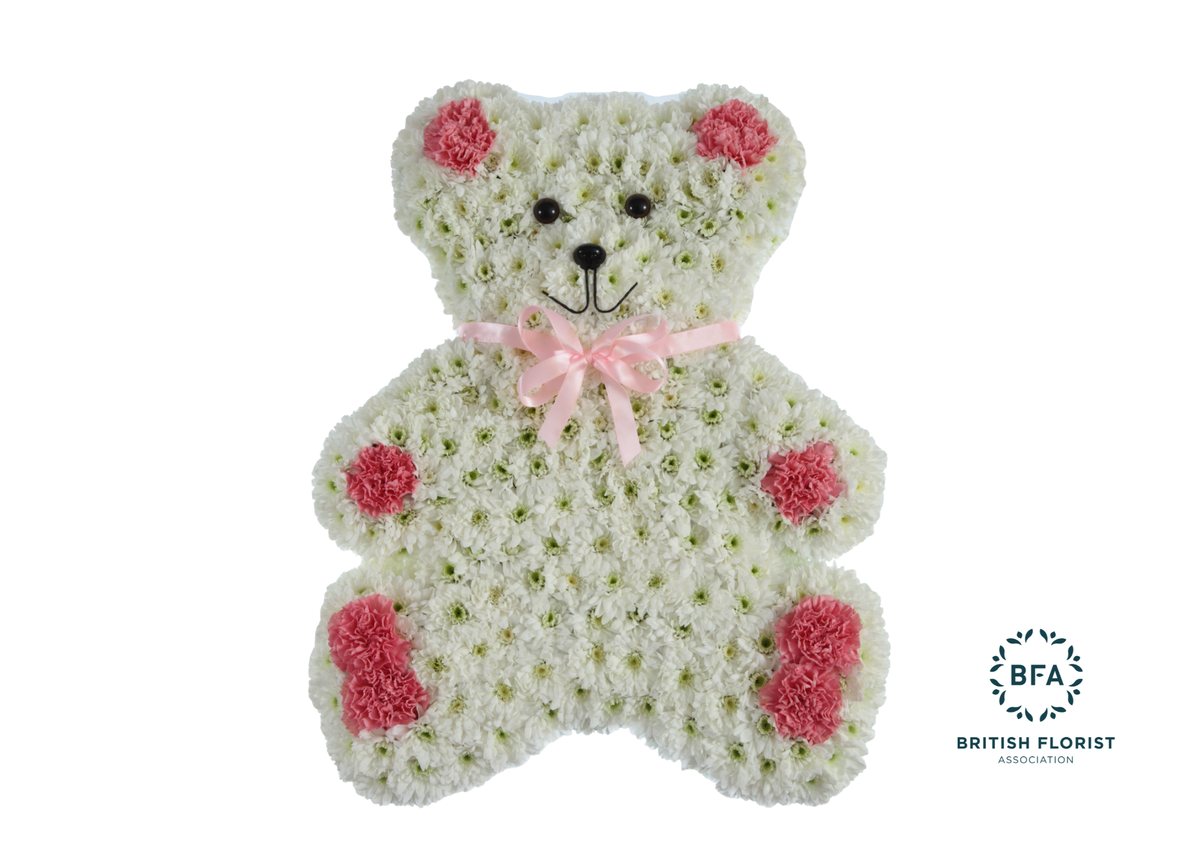
Yes. Letter tributes, cushions, hearts, crosses, single and double-ended casket sprays and wreaths in several sizes are all made in the studio to order. Named tributes are priced per letter and need more notice than a bouquet — two to three days is comfortable, and same-day is not realistic for anything larger than a small spray. Call us on +44 7458 683130 to place one.
What can I send instead of flowers if the family has asked for no flowers?
Respect the request at the funeral itself — “family flowers only” means the service, and it is usually about the scale of it rather than about you. It very rarely extends to the house afterwards. A small arrangement sent to the home two or three weeks later, a plant that keeps going, or a donation with a card saying what you have done, are all appropriate. If in doubt, send nothing to the service and something to the person later.


