WhatsApp Chat
Short answer: August is the fullest month of the year for British-grown flowers and the emptiest for reasons to buy them. Dahlias, sunflowers, hydrangeas, gladioli, zinnias, rudbeckia, amaranthus, crocosmia and the first asters are all cut here at once — and there is no flower-giving date anywhere in the British August calendar. That combination makes it the best month of the year to send flowers for no reason at all.
Every other month in the British flower year is shaped by something: a holiday, a wedding season, a frost, a gap in supply. August is shaped by nothing, and that is what is interesting about it. The fields are at their most productive, the choice is at its widest, and almost nobody is ordering because a date told them to.
What is actually in season in the UK in August?
Dahlias at full volume, sunflowers at their peak, hydrangeas turning to their antique colours, gladioli, zinnias, rudbeckia, echinacea, crocosmia, amaranthus, cosmos, phlox, sedum starting, the first asters, ornamental grasses, and the earliest hips and berries at the very end of the month. Lisianthus, alstroemeria and chrysanthemums run underneath all of it. What has gone: peonies, sweet peas past their best, British garden roses fading, and the last of the early-summer blues.
Is August really the emptiest month for occasions?
It is the only month in the British year with no flower-giving date in it. February has Valentine's Day, March has Mothering Sunday and International Women's Day, June has Father's Day, December has Christmas — and August has nothing at all except birthdays and anniversaries, which fall evenly across every month.
The practical consequence is worth knowing. Supply in August is at its highest and demand is at its most ordinary, so it is the month when the same money buys the most flower, and the month when a bouquet arriving unannounced has the least competition for attention. Nobody expects flowers in August.
Are August hydrangeas different from June ones?
Yes, and they are the better buy. A June hydrangea head is fresh, soft and single-coloured; by August the same head has matured into the antique tones the flower is loved for — blue going to green and pewter, pink to rust and burgundy, cream to a papery beige. The petals feel firmer between the fingers, almost like thin card.
That firmness is why August is the month to dry them. Cut a mature head, stand it in a couple of inches of water in a cool room, and let the water go rather than replacing it; the head dries standing up and holds its shape and colour for a year or more. A June head, dried the same way, collapses. The range is in hydrangeas.
Why do sunflowers droop, and how do you stop it?
A sunflower head is heavy and its stem is soft and hairy rather than woody, so the whole weight of the flower sits on a stem that is largely water. When the stem loses water faster than it takes it up, the neck bends — usually in the first day, and usually because the vase was not deep enough.
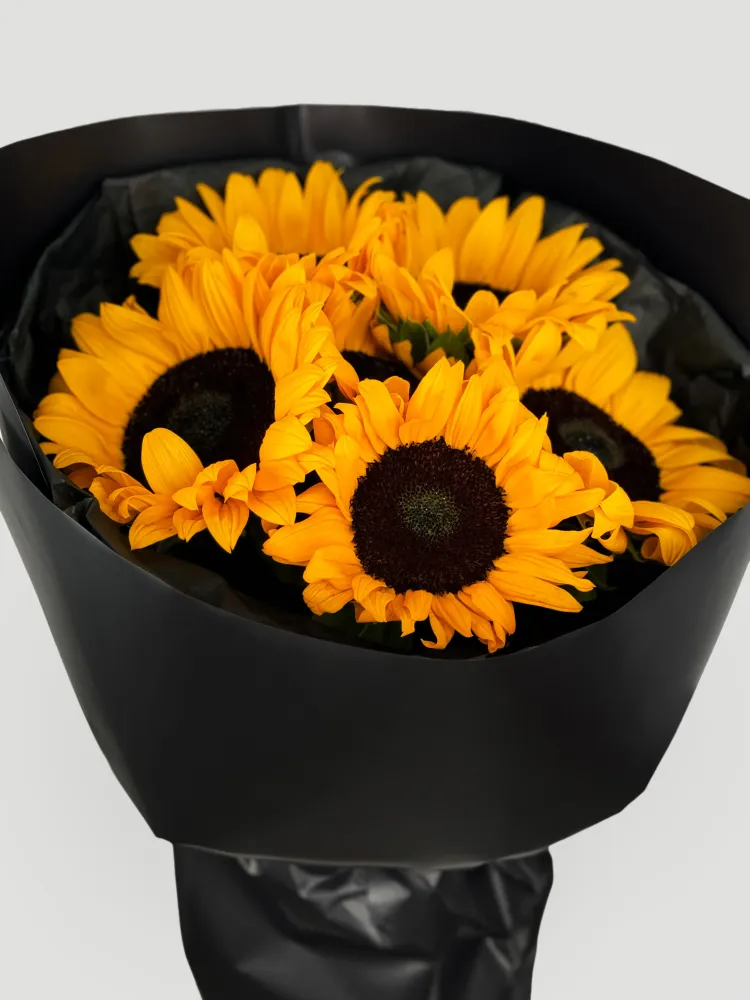
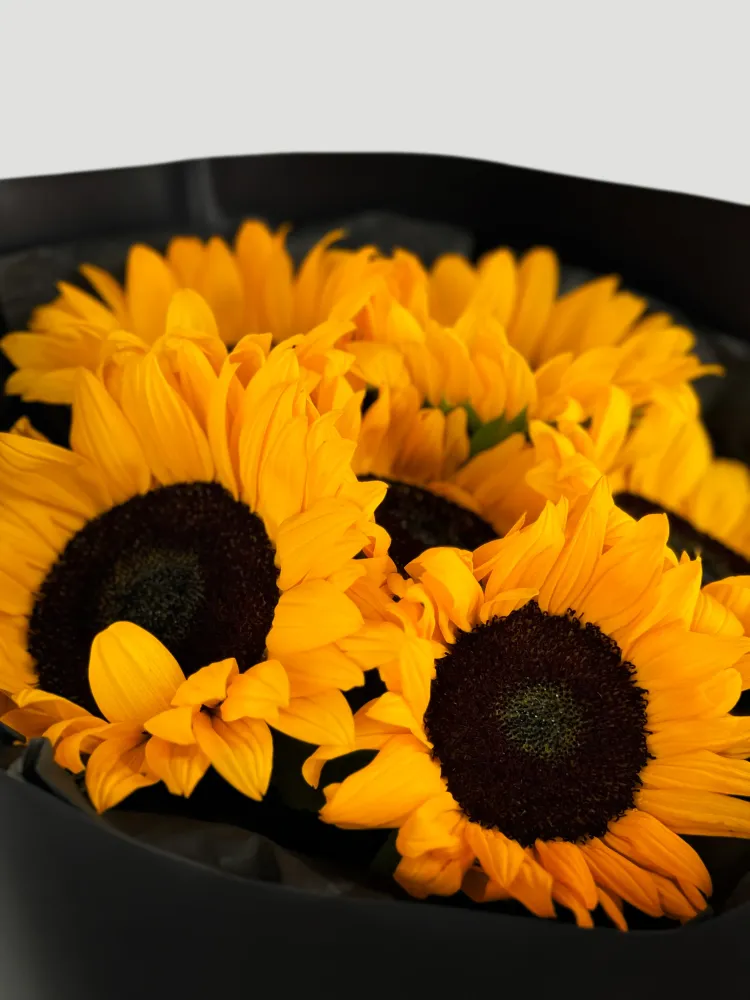
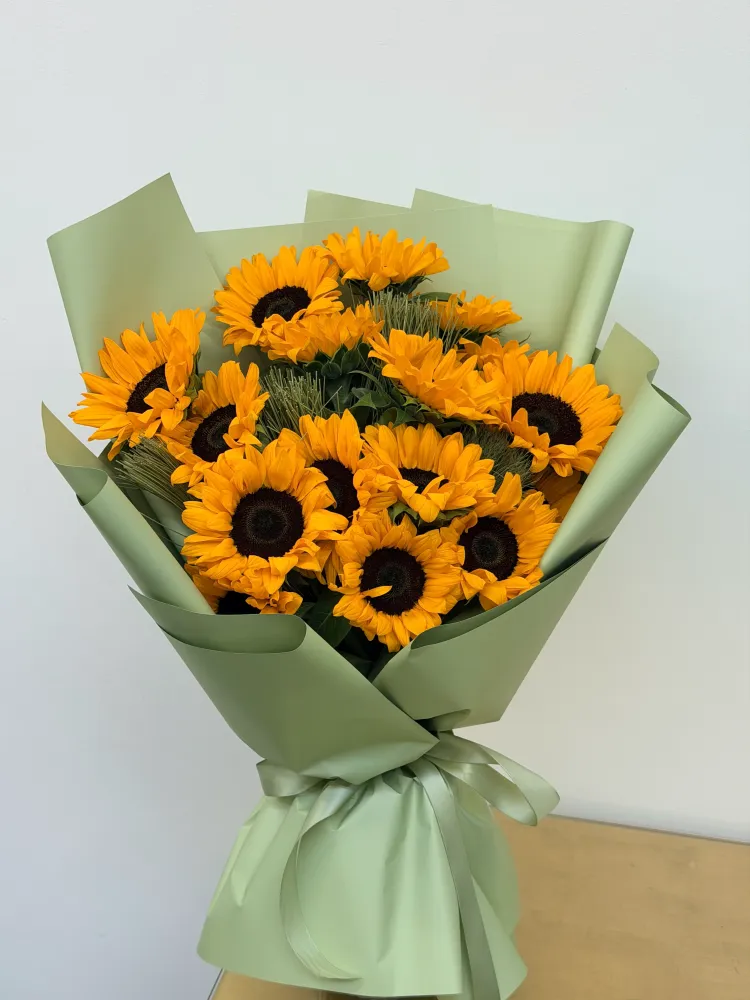
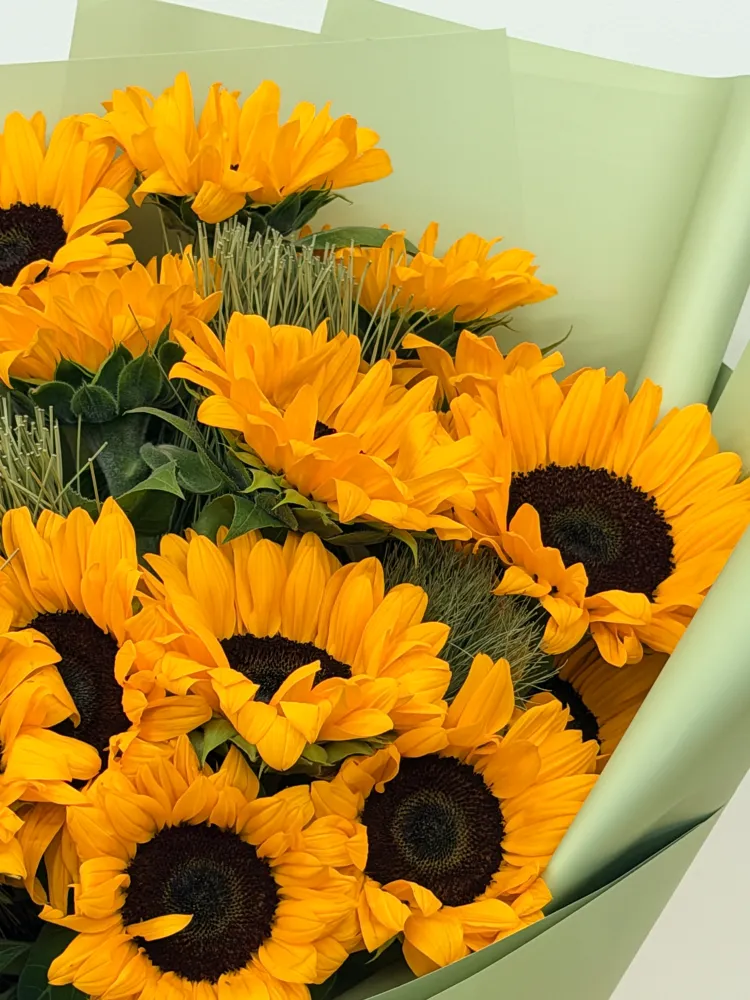
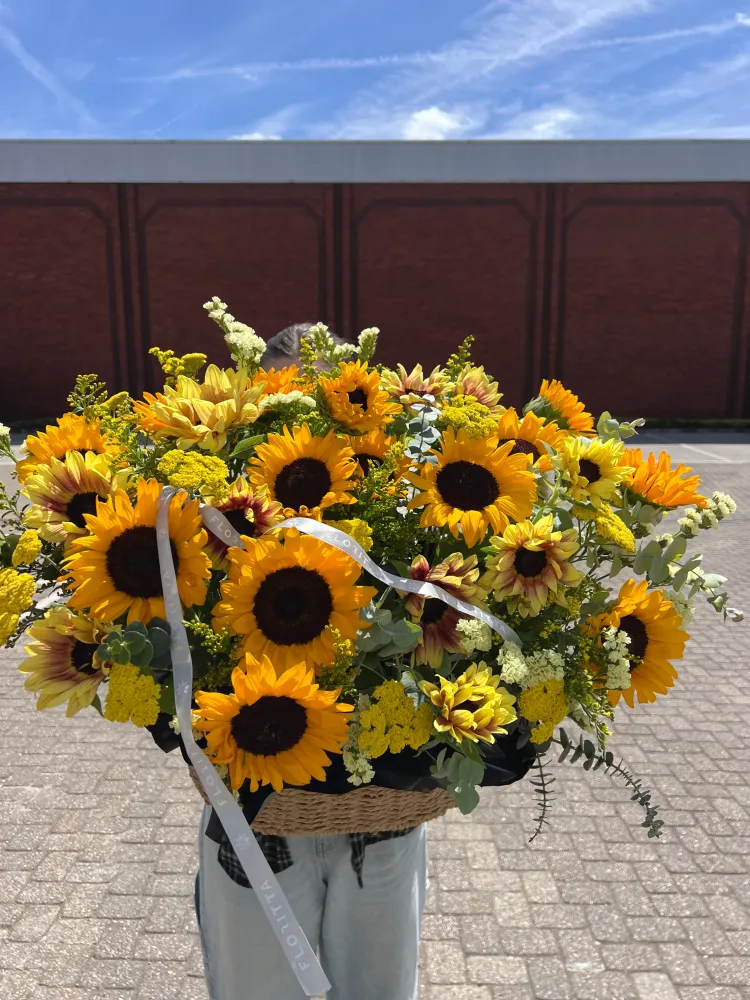
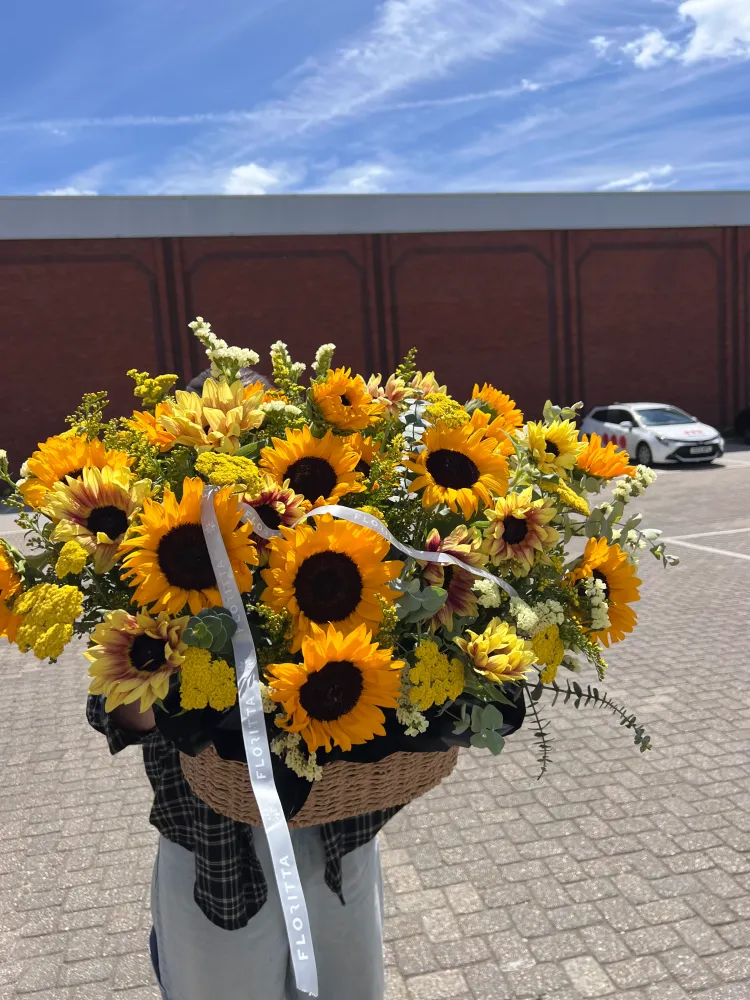
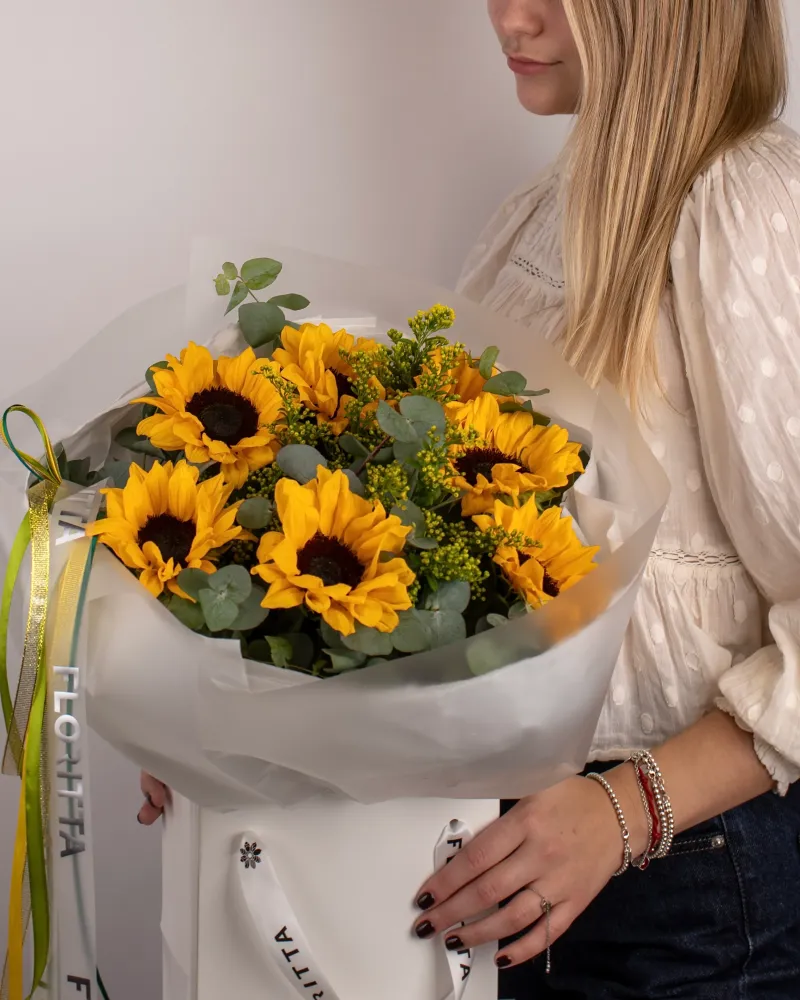
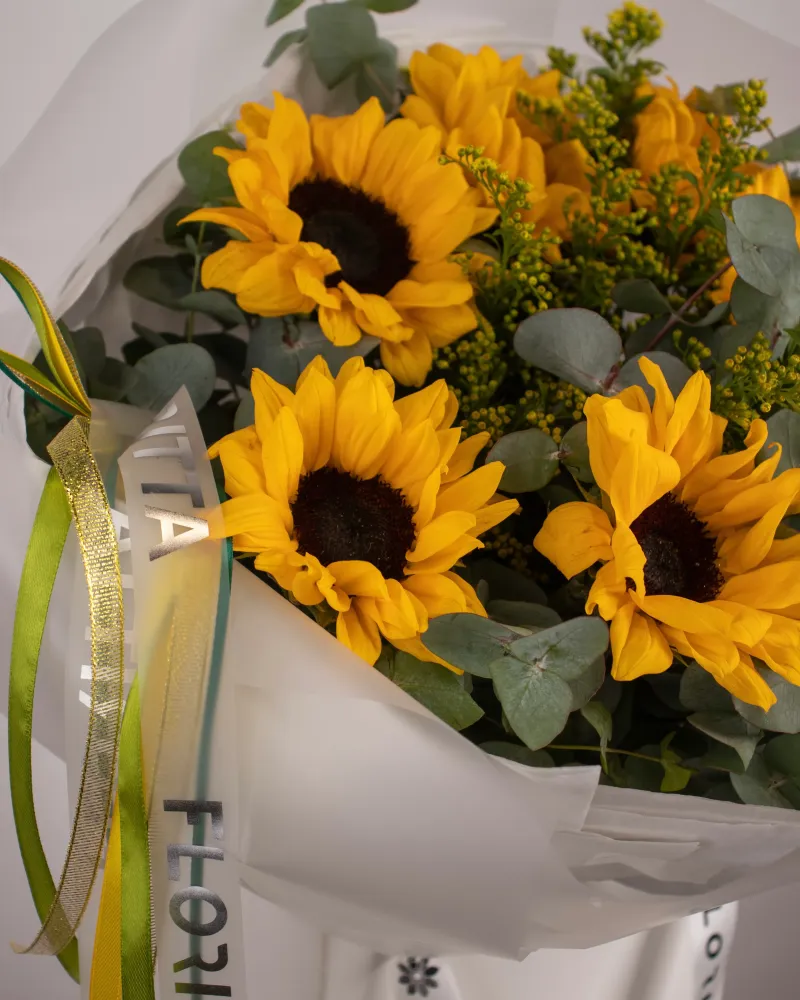
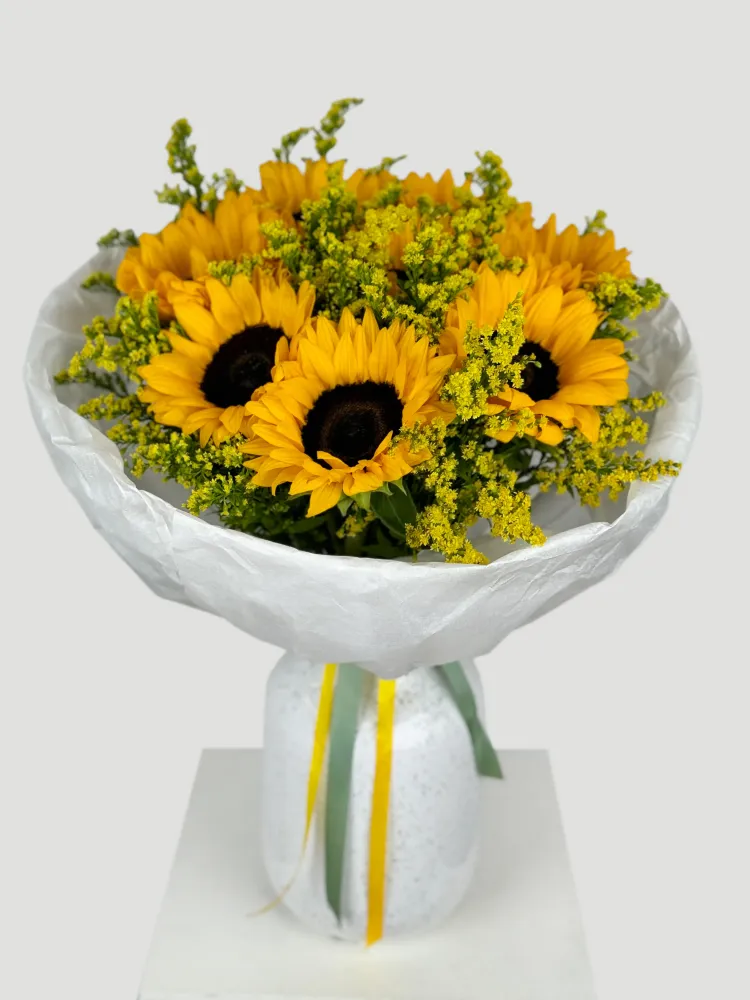
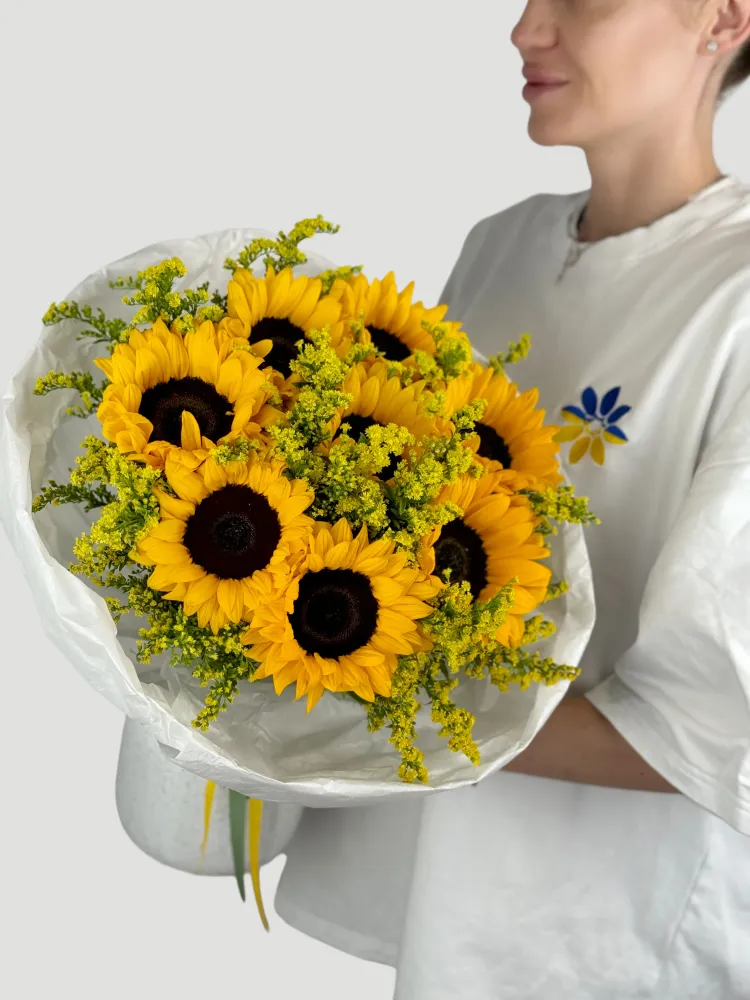
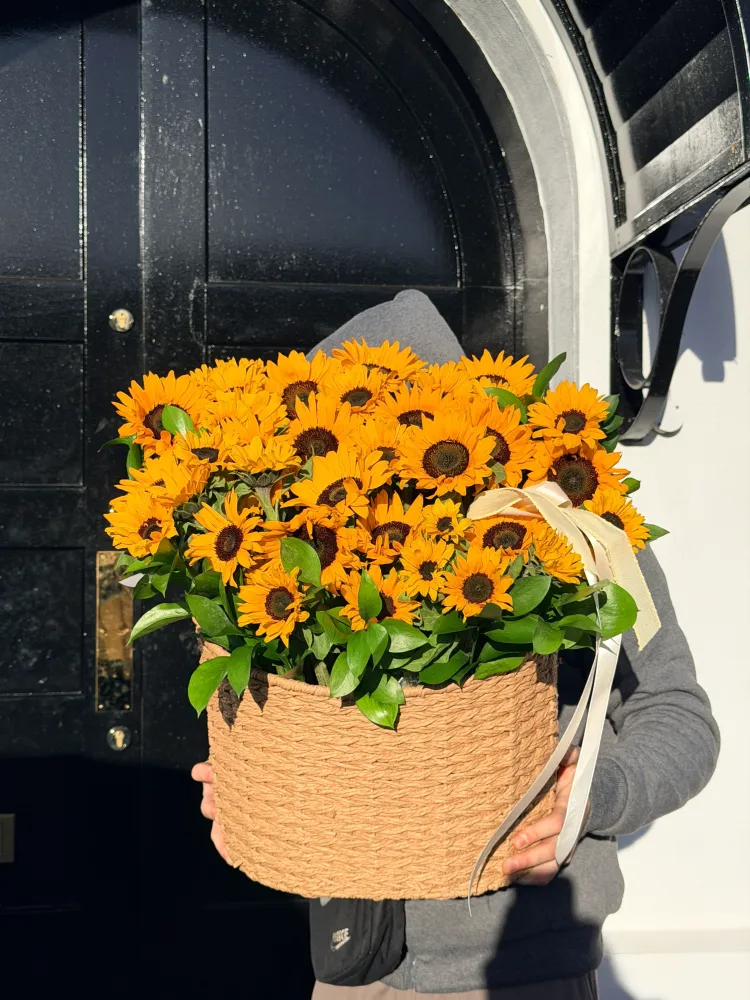
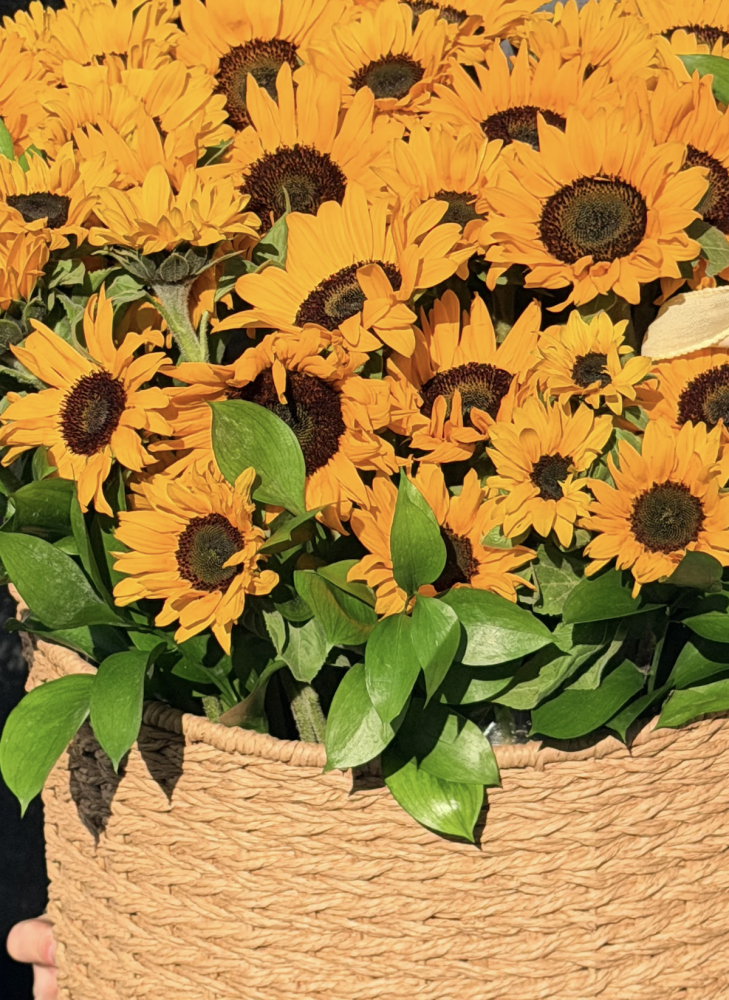
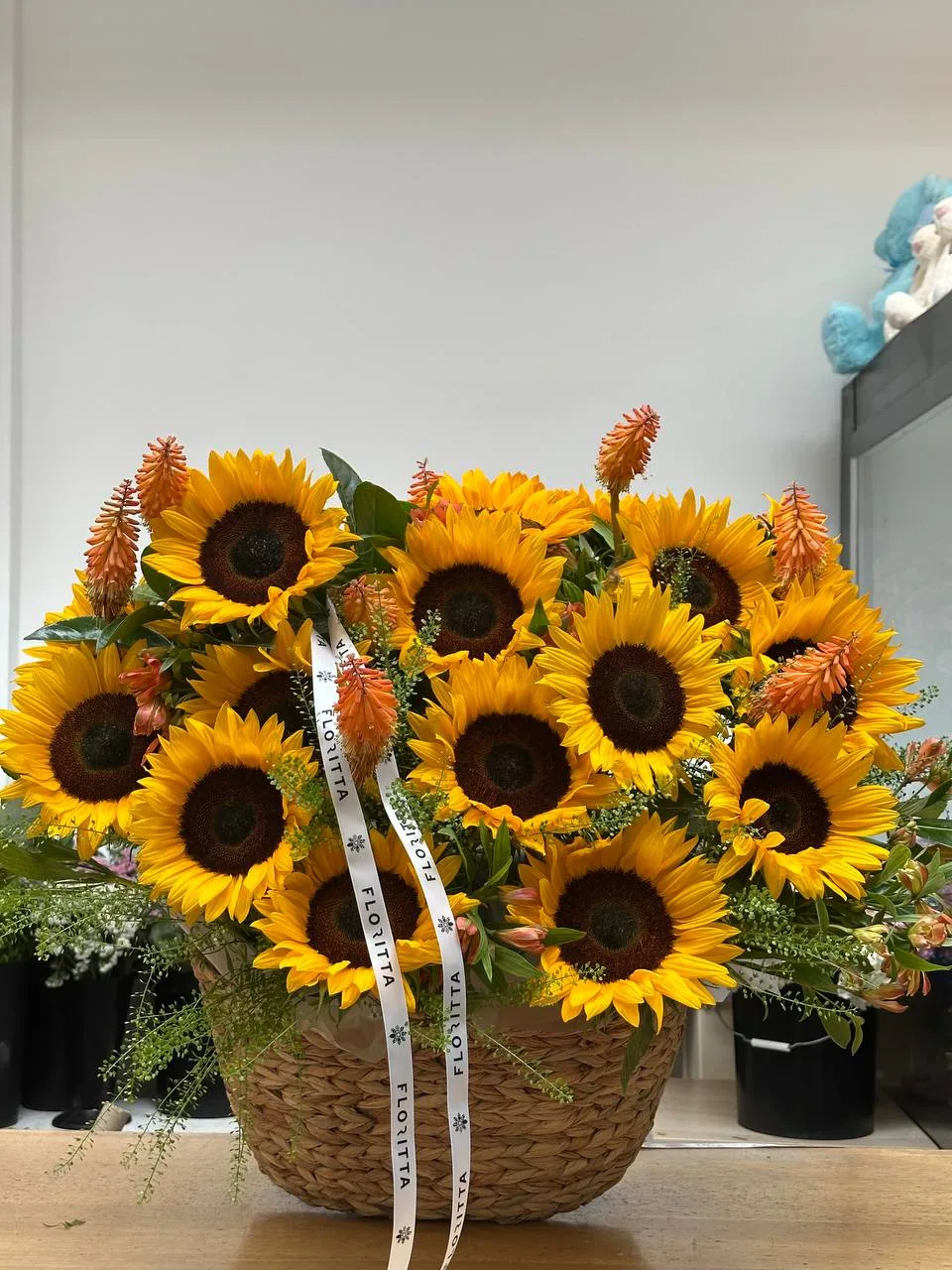
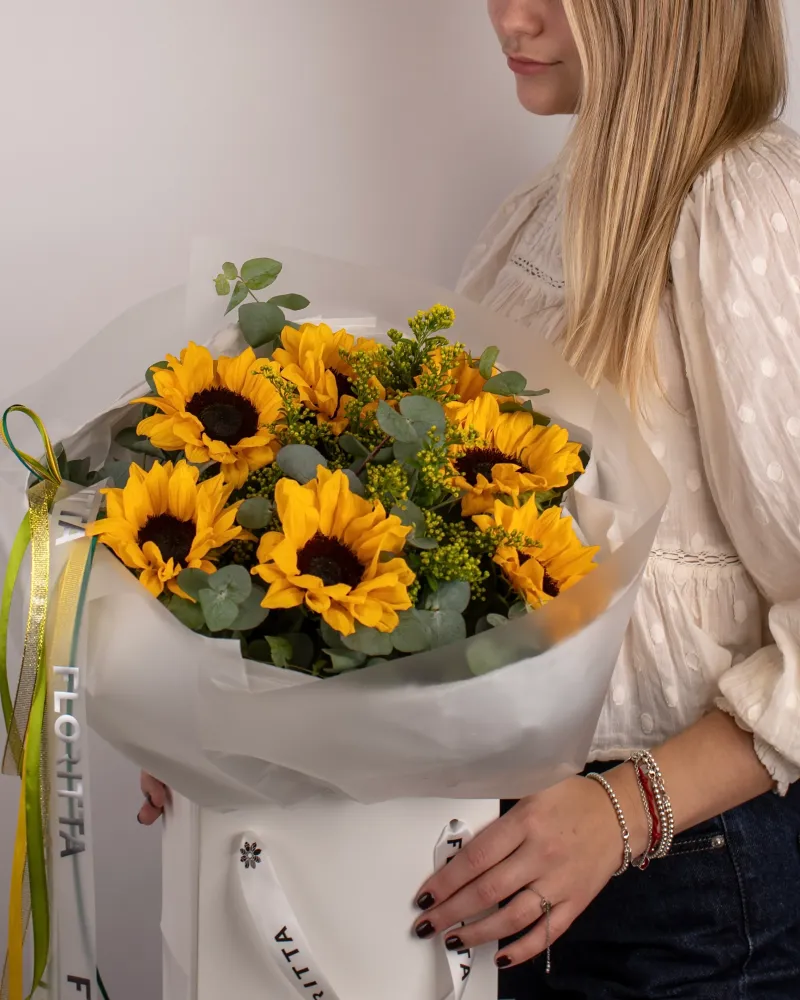
Deep water is the answer, not more water: fill the vase two-thirds up the stem rather than a few inches, recut on a slant, and top it up daily, because sunflowers drink more than anything else in the shop. They are otherwise one of the toughest flowers of the summer and will do a fortnight in a cool room. The collection is in sunflowers.
How do you make August dahlias last?
Buy them freshly cut and treat the stem, not the flower. Dahlias are hollow-stemmed and take up water poorly, which is why they are the shortest-lived flower of the British summer at four to six days. Recut on a long slant, use deep water, change it every other day rather than topping it up, and keep them away from a fruit bowl — the ethylene from ripening fruit shortens them faster than heat does.
Buy them open, too. Unlike peonies and lilies, a dahlia bought in tight bud will often not open properly at all once cut, so the flower you see is the flower you get. Vase-life figures for the rest of the summer list are in how long flowers last.
Is August a good month for a wedding?
For flowers, yes, and it is quietly the easiest of the three summer months. The material is at its most abundant, growers are less over-committed than in June and July, and the August palette — dahlias, amaranthus, grasses, rudbeckia, hydrangeas going antique — suits the loose, garden-gathered look far better than the tighter spring flowers do.
What August cannot give you is British peonies, British sweet peas at their best, or the pale early-summer blues; if the brief depends on any of those, the date is the thing to move, not the flowers. See wedding flowers.
What does the end of August mean for the rest of the year?
It is the last month of pure summer supply. From the beginning of September the British list starts narrowing towards chrysanthemums, berries and foliage, and everything then runs on a deadline that nobody sets — the first frost, which finishes the dahlias in a single night and can arrive any time from late October.
So an event in the first half of September can still be built on August material; one in November cannot. If the date is in the autumn, what is in season in September is where to start.
What should you send in August, and when should you order?
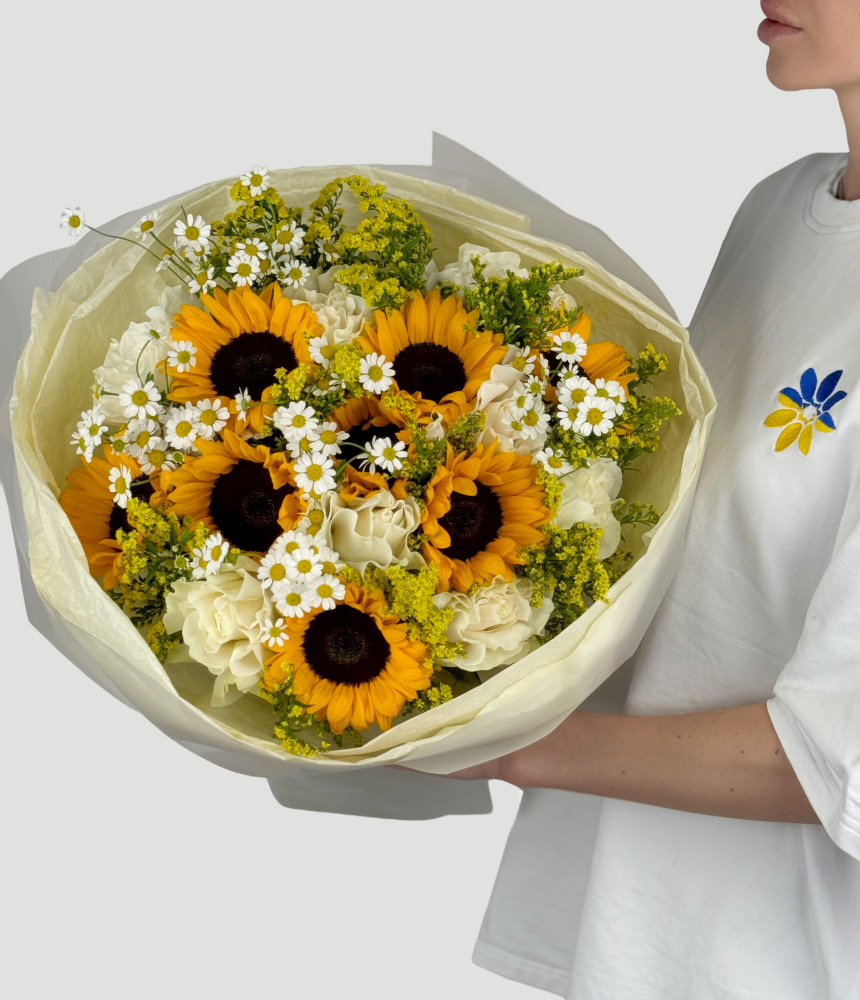
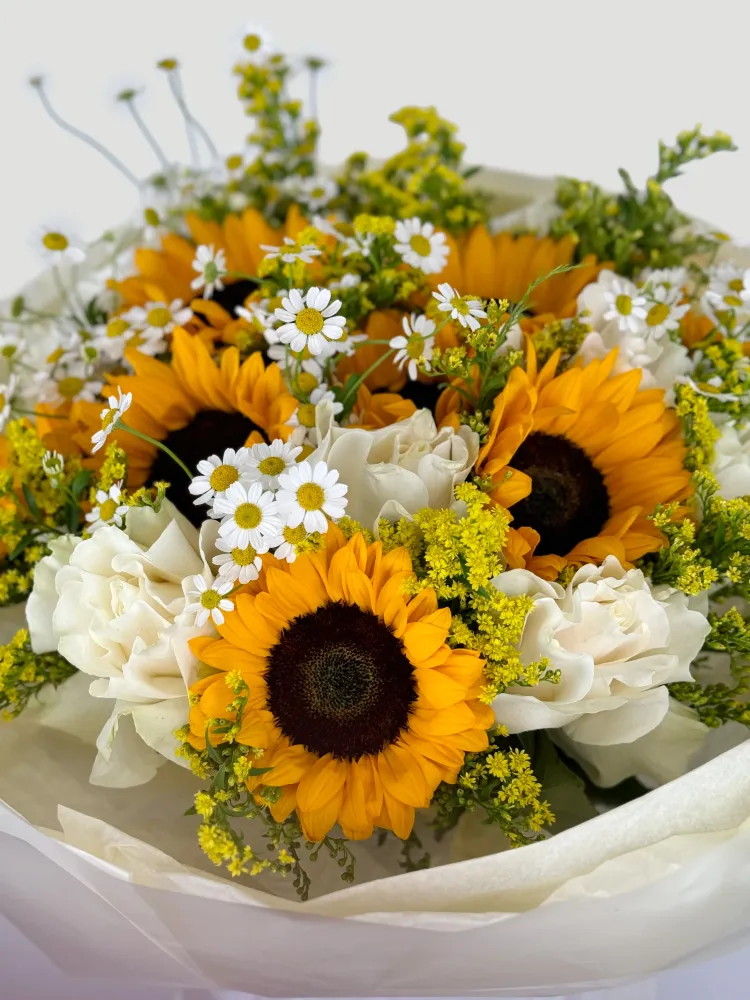
Something seasonal and loose rather than something formal. A hand-tied bunch of dahlias, sunflowers and grasses is the honest August bouquet, it costs less than the equivalent in February, and it looks like the month it came from. Plants remain the better answer for a hot flat or an empty house — those are in plants.
Heat is still the variable, so the same August rules apply as in July: deliver somewhere that will be occupied, keep the flowers out of the sun, and recut when the water is changed. We deliver across London seven days a week and take orders until 22:00 for the following day, and the flowers are made up the morning they go out. For the month just gone, see what is in season in July.