WhatsApp Chat
Short answer: September is the last generous month of the British flower year. Dahlias, chrysanthemums, hydrangeas, sunflowers, asters and berried branches are all grown here and all peak at the same time — which is why a September bouquet can be almost entirely home-grown, and why it looks nothing like a July one.
Ask a florist which month gives them the most to work with and most will say September rather than June. The garden crops that started in July are at full size, the autumn material has arrived, and the frost has not yet been. From the middle of October onwards that window closes fast, so if you like British flowers, this is the month to buy them.
What is genuinely British and in season in September?
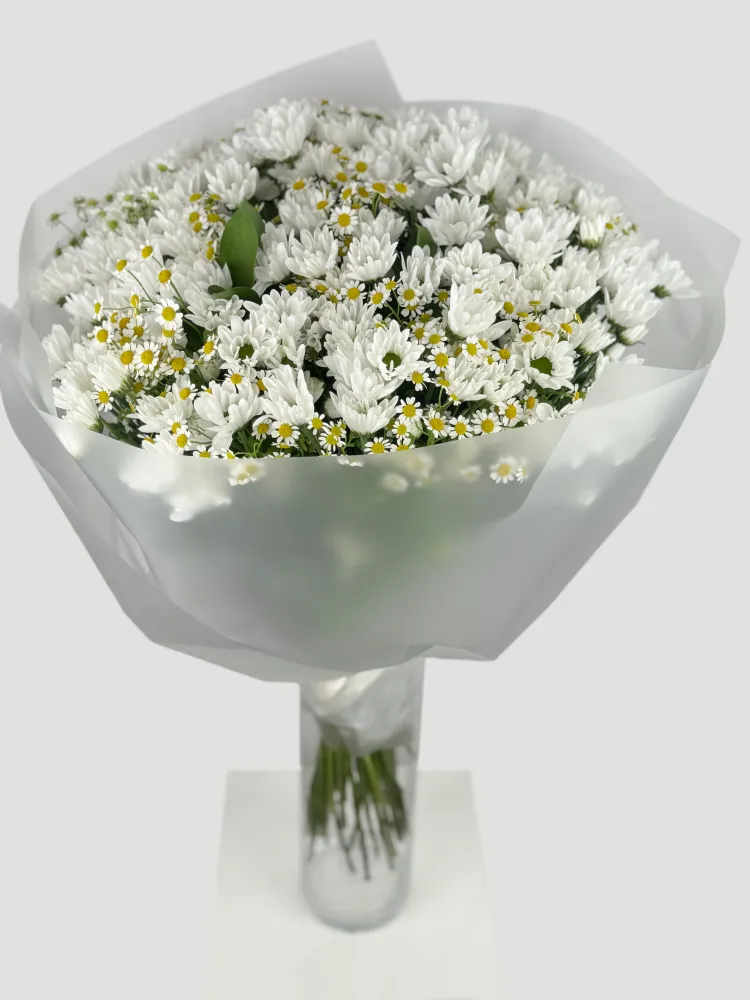
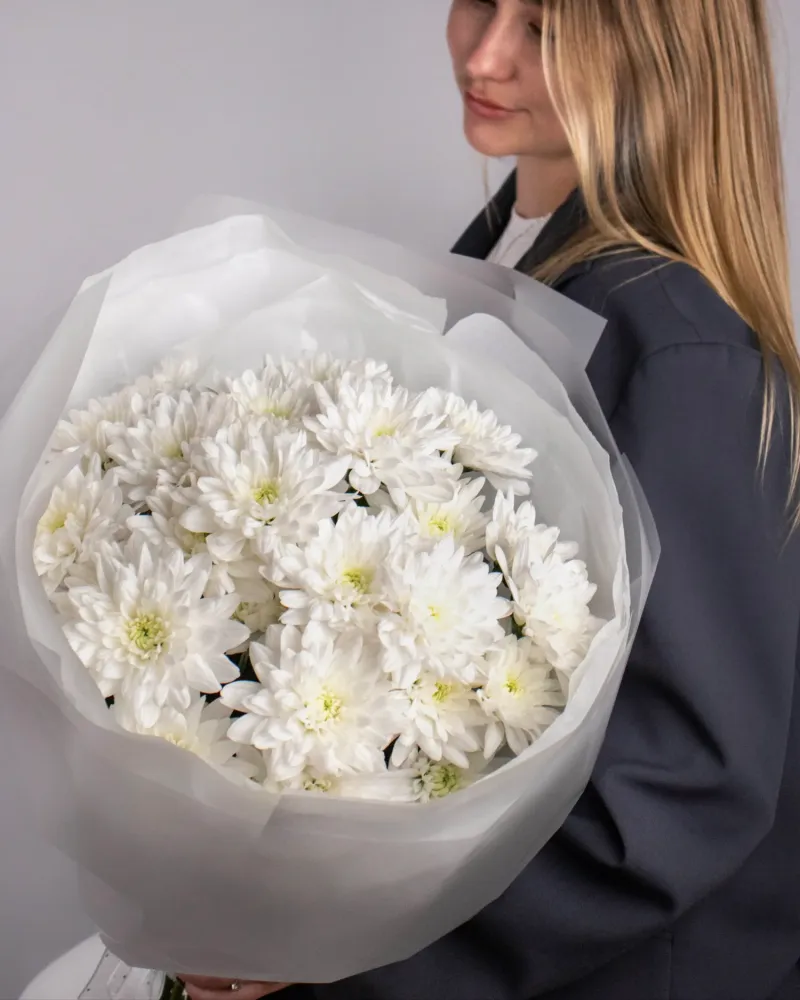
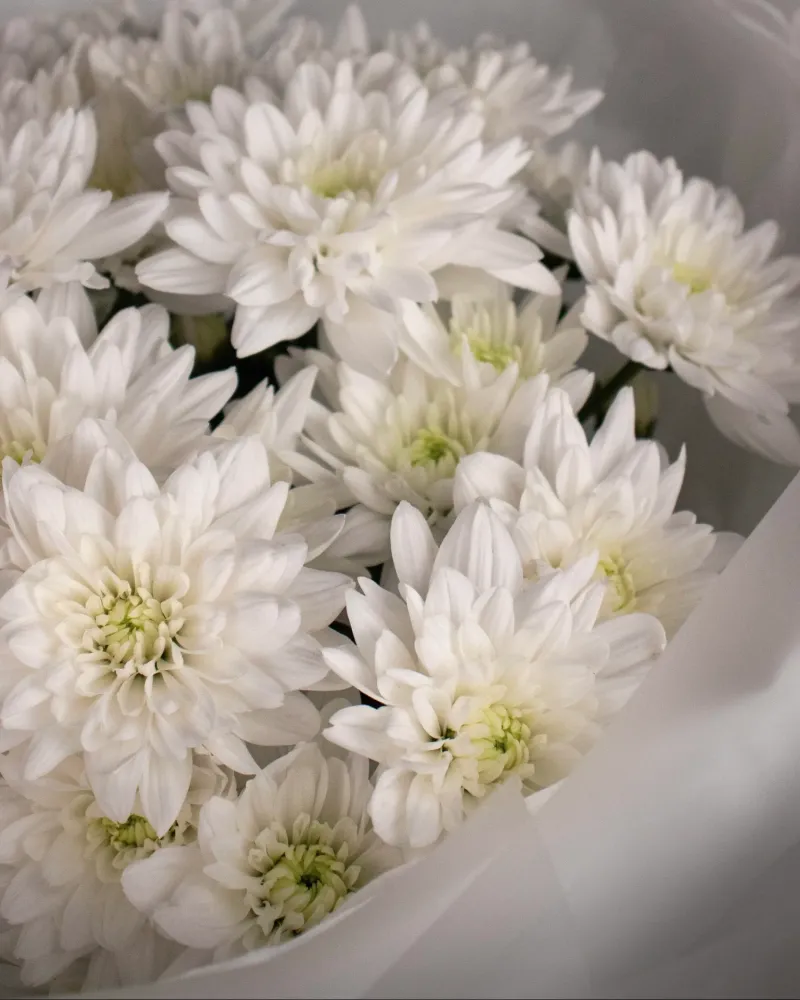
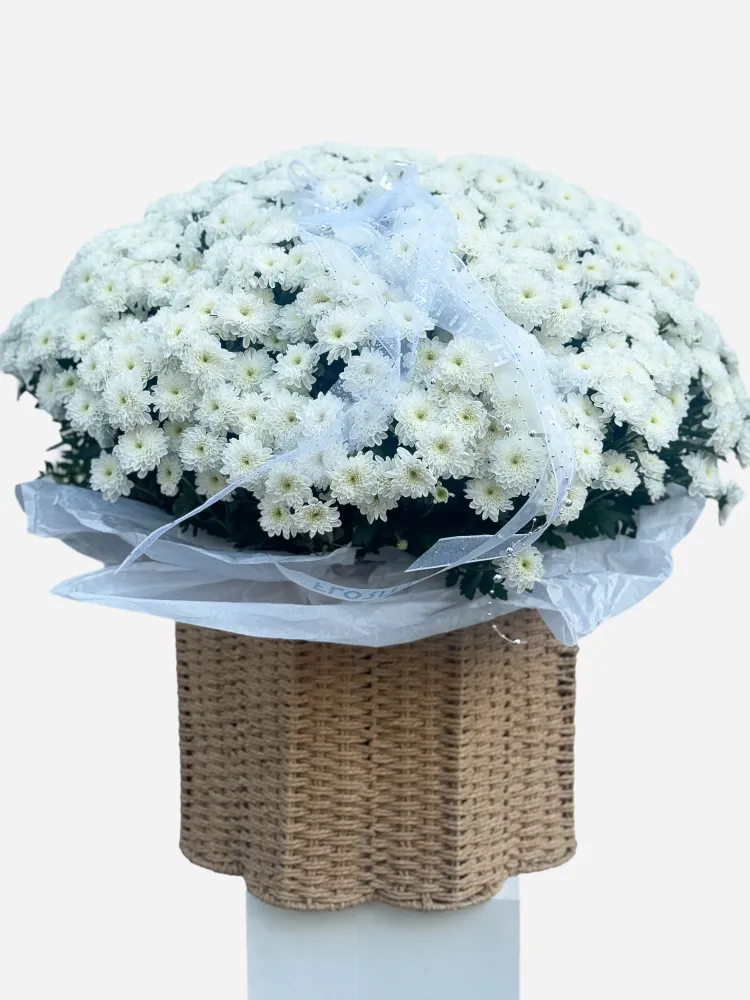
Grown in the UK and cut in September: dahlias, early chrysanthemums, hydrangeas, sunflowers, asters, amaranthus, echinacea, cosmos, rudbeckia, solidago, scabious, the last sweet peas, garden roses on their second flush, and ornamental grasses. Alongside them come the fruiting stems that make an autumn arrangement read as autumn — hypericum berries, rose hips, snowberry, viburnum berries and crab apple.
Two of those deserve a note. Hydrangeas cut in September are a different flower from the ones cut in June: the heads have hardened, the colour has gone antique, and they last far longer out of water. Sunflowers are on their final British weeks — after early October they come from Holland and Spain, and the heads are smaller.
Are dahlias still available in September?
Yes, and September is their best month. Dahlias start in July, but the plants are largest and the flower heads most impressive from late August through to the first frost. In London that frost usually arrives in the second half of October, occasionally not until November.
The reason you do not see dahlias in every shop is not season, it is transport. They bruise, they drink heavily, and they do not survive a long cold chain, so they mostly come from British growers on short journeys. Our own dahlia arrangements are made to order for exactly that reason.
Why do September hydrangeas look different from June ones?
Because the flower is older. A June hydrangea head is soft, full of water and bright — it wilts within hours if it dries out. By September the same head has developed papery bracts and shifted towards green, rust, dusty pink and burgundy. Florists call these antique hydrangeas, and they are the backbone of autumn work: they hold their shape as they dry, so an arrangement that started fresh can stay on a table for weeks looking deliberate rather than dead.
If you want that effect, ask for the autumn tones rather than the clear blue and pink of midsummer. You will find both in our autumn collection.
What is in the shops in September but not grown here?
Most roses, all year round. Britain grows very few commercial roses; the majority of the stems in any London shop come from Kenya, Ecuador or the Netherlands, and September is no exception. Lisianthus, alstroemeria, most lilies, and every orchid are also imported.
This matters if seasonality is what you are buying. A bouquet of roses in September is a good bouquet, but it is not a seasonal one — it would be identical in February. If you want the month to show, ask for dahlias, hydrangeas, chrysanthemums, berries and grasses.
Which September flowers last longest in a vase?
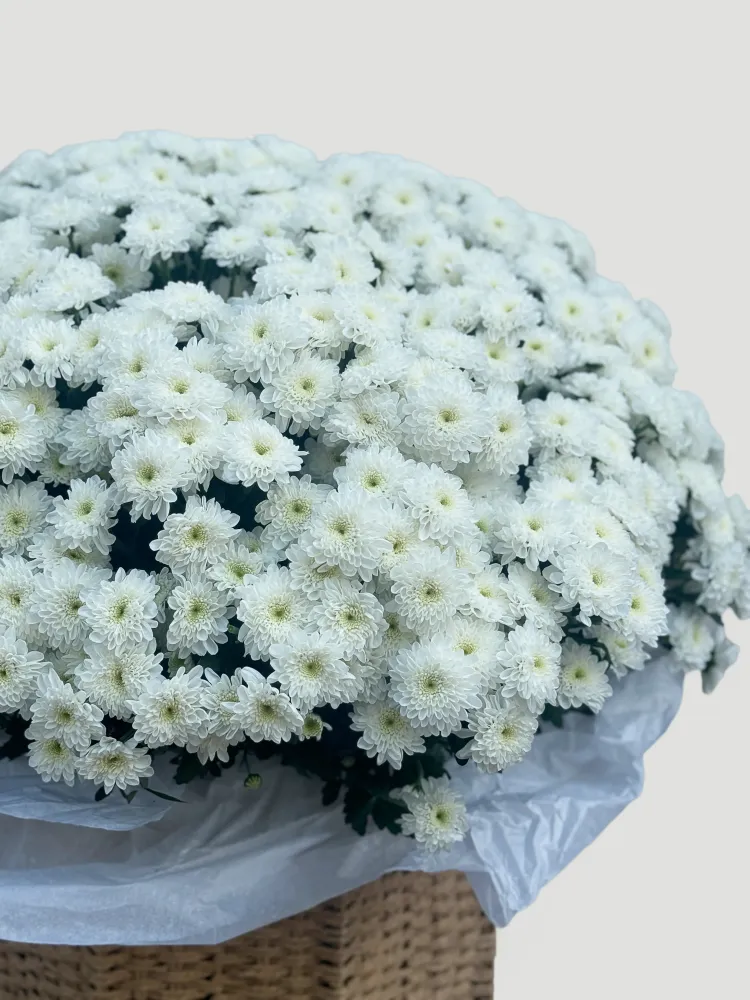
In order: chrysanthemums (two to three weeks), hypericum berries and other woody fruiting stems (two weeks or more), hydrangeas in their autumn state (one to two weeks, then they dry rather than rot), sunflowers (about a week), asters (a week). Dahlias are the short ones — five to seven days, and only if the water is changed every second day, because they foul it faster than anything else in the bucket.
The general rules for making any of them last are the same in every month: cool room, no direct sun, no fruit bowl nearby, fresh water. We have written those out in detail in how long flowers last and what actually changes it.
What colours actually belong to September?
The honest answer is that September is not orange yet. That comes in October. September in Britain sits between summer and autumn: dusty pink, plum, burgundy, soft coral, cream, sage and the green of hydrangea heads that have not fully turned. Deep burnt orange and rust look right from about the last week of the month.
If you are ordering for a wedding or an event in early September, this is worth saying out loud to your florist — a brief that says "autumn" often produces something a month ahead of the actual date.
Can you still get peonies in September?
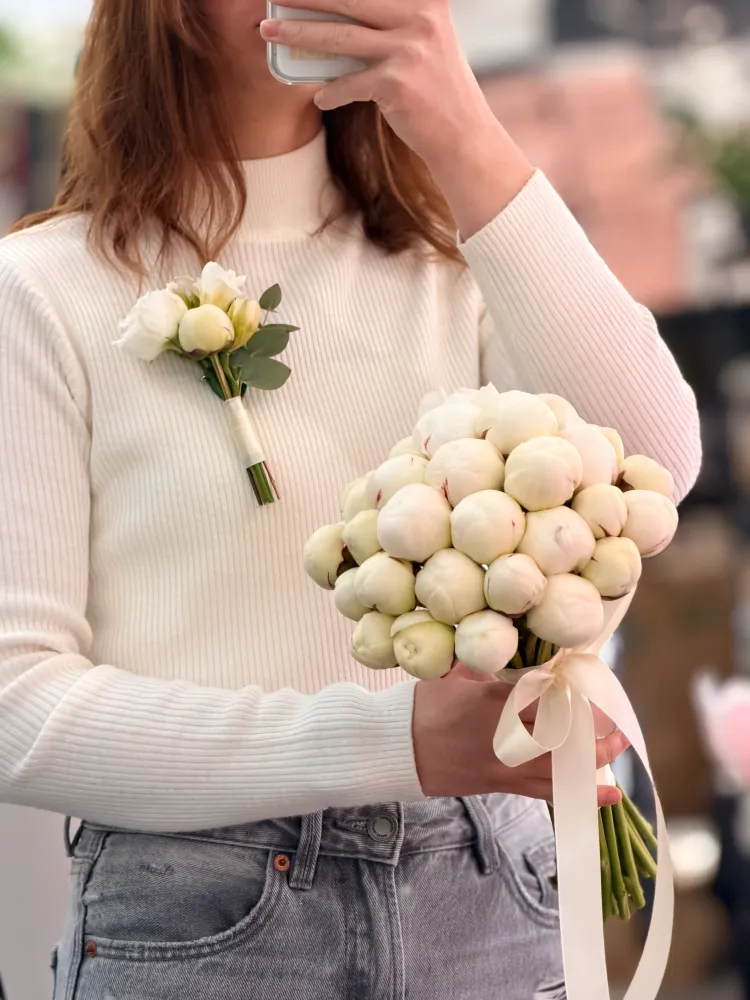
Not British ones. The UK peony season runs roughly from the middle of May to the end of June, and that is the whole of it. What appears later in the year is imported from the southern hemisphere — Chile, New Zealand and Alaska ship peonies from about October to January, and prices are high because the volume is small.
So a September peony is a gap month: too late for British, too early for the imported season. If peonies are the point of the gift rather than the season, our peony page explains when we can and cannot get them.
When does the September season end?
Practically, with the first frost, which in London is usually somewhere between the middle of October and the start of November. The first frost takes out the dahlias, the cosmos and the last of the annuals in a single night, and after it the British list shrinks to chrysanthemums, berries, foliage and forced bulbs.
That gives September a real deadline. If you want dahlias for an event, order for a date before the frost rather than after — and if the date is late October, read what is in season in October before you decide on the brief. For the month just gone, see what is in season in August.
We deliver across London seven days a week, with same-day delivery on orders placed before 22:00, and the flowers are made up the morning they go out rather than held in a fridge. If you want the month itself in the bouquet, say so when you order — we build to season rather than to a fixed recipe.