WhatsApp Chat
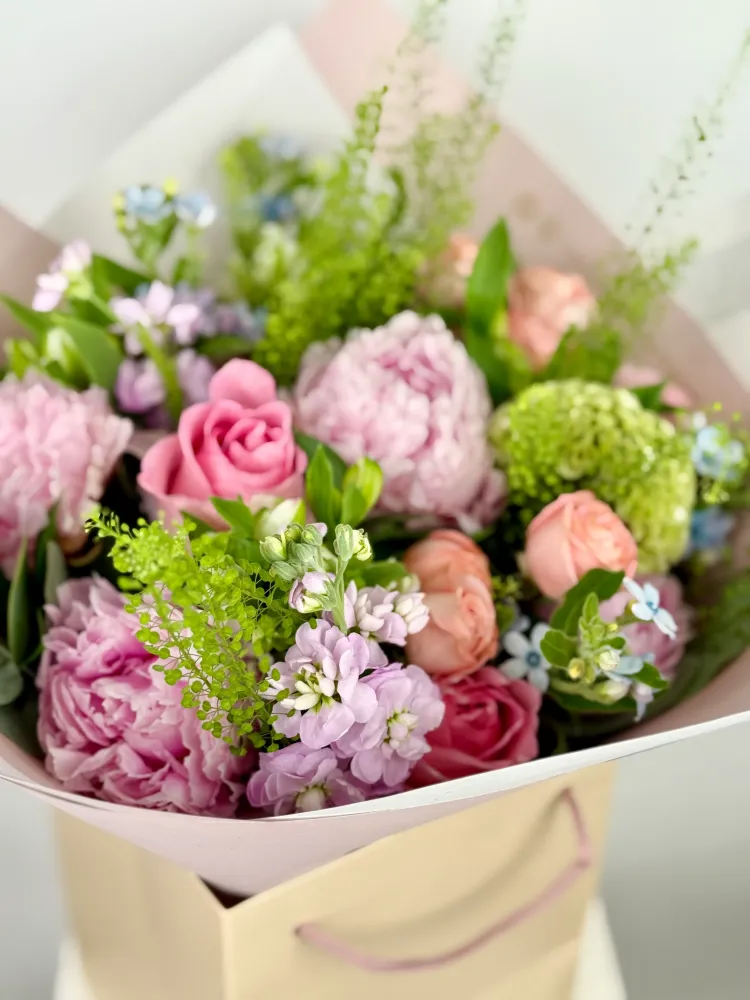
Short answer: the British list gives most months two birth flowers rather than one. January is the carnation and the snowdrop, June is the rose and the honeysuckle, and November stands alone with the chrysanthemum. Below is all twelve, what each one is traditionally taken to mean, and — honestly — which of them a London florist can put in a bouquet this week and which exist for about three weeks a year and then vanish.
Birth flowers — birth month flowers, if you prefer, the flower of the month you were born in — are having a second life. They turn up as tattoos, on birthday cards, engraved on jewellery and, increasingly, as a brief handed to us at the counter: "she was born in May, can you do her birth flower?" The honest answer to that particular request is complicated, and we will get to it. First, the list itself — because most of what circulates online is the American version, and the British one is older and differs in several months.
What is a birth flower?
A birth flower is the bloom traditionally associated with the month someone was born, in the same way a birthstone is. The idea is Victorian in its current form: floriography, the language of flowers, was a nineteenth-century parlour enthusiasm, and the month-by-month list was assembled from a mixture of much older seasonal folklore, church calendars and what actually flowered in an English garden at that time of year. That last part matters. The list is not arbitrary — it is largely a record of what was blooming when, in Britain, before greenhouses and air freight.
Why does the British list give two flowers for most months?
Because the tradition accumulated rather than being designed. A month often has a principal flower and a secondary one that arrived later or came from a different source — the almanac, the church, a Victorian gift book. January gets the carnation and the snowdrop; April gets the daisy and the sweet pea; December collects three, depending on which list you read. Neither is more correct than the other, and if you are choosing a gift, that is good news: it usually means one of the pair is available and one is not.
Birth flowers by month: the full UK list at a glance
The meanings below are the traditional ones — this is folklore, not botany, and different Victorian sources disagree at the edges.
| Month | Birth flowers | Traditional meaning | What we can send |
|---|---|---|---|
| January | Carnation, snowdrop | Devotion, a mother's love; hope | Carnations, year round |
| February | Violet, primrose (iris in newer lists) | Loyalty, modesty; young love; faith | Irises, most of the year |
| March | Daffodil | New beginnings, unequalled regard | Yellow bouquets; daffodils late winter to spring |
| April | Daisy, sweet pea | Innocence, loyal love; gratitude | Daisy-form chrysanthemums, year round |
| May | Lily of the valley, hawthorn | Return of happiness; hope | White bouquets; lily of the valley only in May |
| June | Rose, honeysuckle | Love; devoted affection | Roses, year round |
| July | Larkspur (delphinium), water lily | An open heart, lightness | Delphinium in our blue arrangements |
| August | Gladiolus, poppy | Strength of character; remembrance | Sunflowers as the practical stand-in |
| September | Aster, morning glory | Wisdom, patience; affection | Asters and purple bouquets in autumn |
| October | Marigold, cosmos | Warmth, creativity; order | Autumn bouquets in warm tones |
| November | Chrysanthemum | Honesty, friendship, long life | Chrysanthemums, year round |
| December | Narcissus, holly, poinsettia | Good wishes; protection; celebration | Christmas range and plants |
January birth flowers: carnation and snowdrop
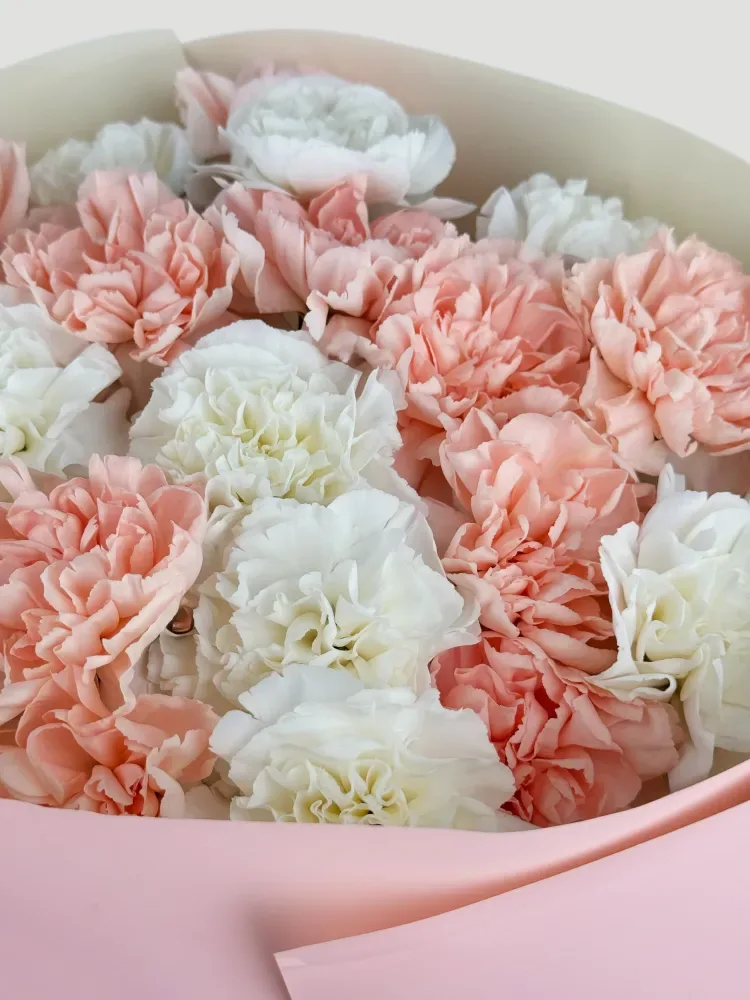
The carnation carries devotion and, specifically in Britain, a mother's love, which is why it turns up so persistently around Mothering Sunday. It is also the single most underrated flower in the trade: three weeks in a vase is normal, and the modern varieties bear no resemblance to the supermarket bunches that gave them their reputation. The snowdrop is the more evocative of the pair — the first thing through frozen ground, hence hope — but it is a garden flower, not a cut flower, and no florist can send one.
February birth flowers: violet and primrose, with iris in newer lists
Violet for loyalty and modesty, primrose for young love. Both are small, low, woodland-edge flowers and neither travels as a cut stem, which is why most modern lists quietly substitute the iris — a February flower in its own right in several almanacs, and one we can actually put in a bouquet. If someone asks for a February birth flower, the iris is the honest answer that also arrives in one piece: faith, wisdom and hope, and a stem with real presence.
March birth flower: daffodil
New beginnings and unequalled regard, and the only month where the British list is completely settled. The daffodil is genuinely seasonal — late January through April in the UK — and for those months it is cheap, plentiful and unbeatable. Outside them there is no substitute that is still a daffodil, so a March birthday in September usually becomes a yellow bouquet that gestures at the same thing.
April birth flowers: daisy and sweet pea
The daisy is innocence and loyal love; the sweet pea is gratitude, and in Victorian usage a rather elegant way of saying thank you for a lovely time as you left. Sweet peas have a short English summer season and a scent worth the wait. Daisies, in florist terms, mean the daisy-form chrysanthemums and gerbera we carry all year — the same open, flat-faced shape, and a great deal more vase life.
May birth flowers: lily of the valley and hawthorn
This is the difficult month. Lily of the valley means the return of happiness, it is the most requested birth flower we get asked for, and its cut season in Britain is roughly three weeks in May. It is also, in that window, one of the most expensive things in the market by stem. Hawthorn — may blossom — is a hedgerow tree and not a cut flower at all. For a May birthday outside May, a white bouquet built around lisianthus and spray roses is what we would actually recommend: same register, same restraint, available.
June birth flowers: rose and honeysuckle
The easiest month in the list. The rose needs no explanation and no season — and its meaning shifts by colour, which is a whole tradition of its own: red for love, white for sincerity, yellow for friendship, pink for gratitude. Honeysuckle stands for devoted affection and, like several others here, is a garden climber rather than a florist's flower. A June birthday is the one occasion where the traditional answer and the practical answer are the same thing, and roses in any colour will do the job.
July birth flowers: larkspur and water lily
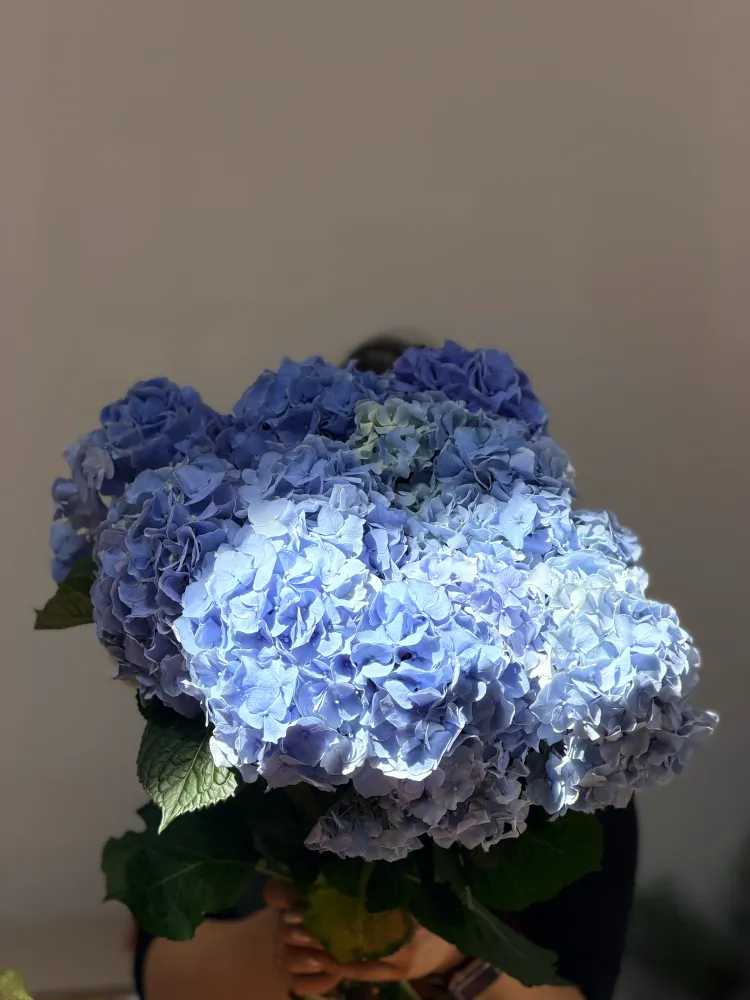
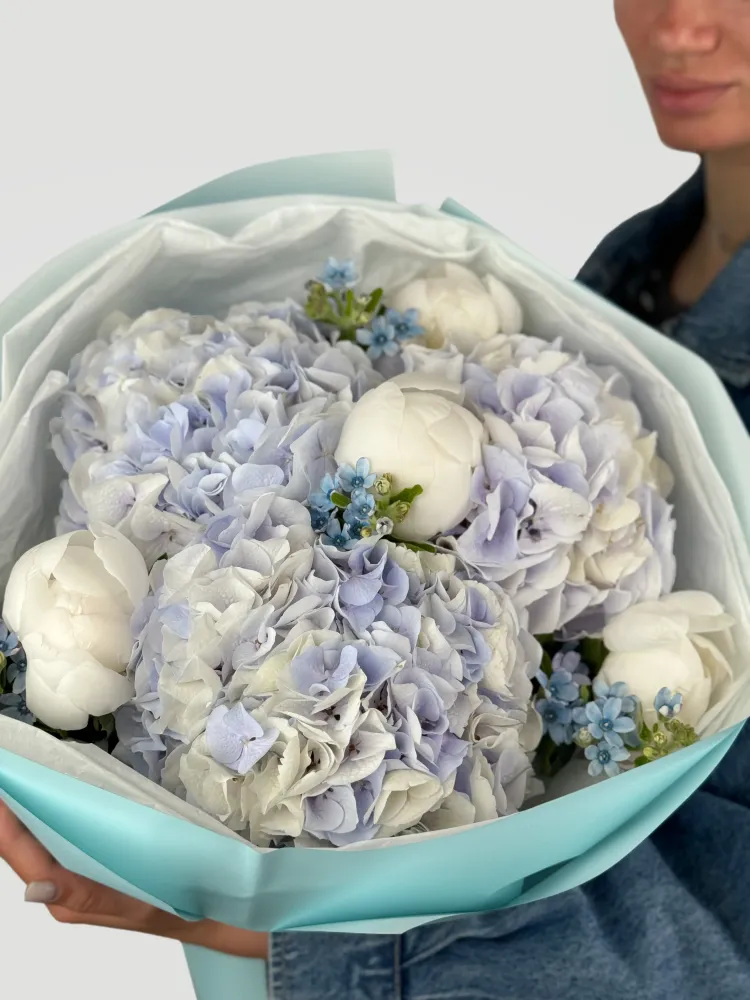
Larkspur — delphinium, in the form you will actually see — means an open heart and a certain lightness. It is the tall blue spire in the back of a summer arrangement, and it is the reason so many of our blue bouquets have height. Real blue is rare in flowers, which is part of why delphinium reads as special even to people who cannot name it. The water lily is the second July flower and is, for obvious reasons, not something anyone delivers.
August birth flowers: gladiolus and poppy
The gladiolus takes its name from gladius, the Roman short sword, for the shape of its leaves — hence strength of character and sincerity. It is a divisive flower: enormous, architectural, and either exactly right or entirely wrong for the recipient. The poppy is remembrance, with all the weight that carries in Britain, and it drops its petals within a day of cutting. In practice an August birthday is where we reach for sunflowers — peak season, and they carry the same unapologetic scale.
September birth flowers: aster and morning glory
Aster means wisdom and patience; in Britain the Michaelmas daisy, flowering around the end of September, is the same family and the same idea. Morning glory stands for affection and closes by lunchtime, which is charming in a garden and useless in a vase. September is a good month for the tradition to be workable: asters are properly seasonal in early autumn, and a purple bouquet is close to the traditional colour.
October birth flowers: marigold and cosmos
Marigold for warmth, creativity and — in some readings — a fierce, protective sort of affection; cosmos, from the Greek for order, for harmony and balance. Both are late-season garden flowers with the burnt-orange and dusty-pink palette that October actually looks like. Our autumn range is built in the same colours, which is a happier coincidence than it sounds: the traditional flower and the seasonal bouquet want the same thing.
November birth flower: chrysanthemum
The only month with a single flower and no alternative, and it deserves the exclusivity. Chrysanthemums mean honesty, friendship and long life, they are genuinely at their best in November, and they will outlast everything else in the vase by a fortnight. One caution worth knowing if the recipient is not British: in France, Italy, Belgium and Poland the chrysanthemum is strongly associated with graves and All Saints' Day, and sending a bouquet of them to someone from those countries can land very differently from how it was meant. In Britain and much of Asia the association is the opposite — longevity and celebration. If in doubt, put chrysanthemums in a mixed bouquet rather than sending them alone.
December birth flowers: narcissus, holly and poinsettia
December collects three, which suits it. The paperwhite narcissus means good wishes — stay as sweet as you are, in the Victorian reading — and is the one that scents a whole room from a single bowl. Holly is protection and defence, and is the reason it sits over doorways. The poinsettia is the newcomer, Mexican rather than European, and means celebration. It is also the practical answer: a poinsettia is a plant, it lasts the whole season, and it is the one December birth flower that is easy to get exactly when you need it, alongside the rest of our Christmas range.
Where do the meanings come from?
Mostly from Victorian floriography books, which drew in turn on Ottoman flower symbolism, classical mythology and folk usage, and which contradicted each other freely. There is no authoritative register. What survives is the handful of associations that were repeated often enough to stick: rose for love, chrysanthemum for long life, marigold for warmth, snowdrop for hope. Treat them as a nice thing to write in a card rather than a fixed code — nobody on the receiving end is checking, and the note that explains why you chose the flower is worth more than the flower being technically correct.
Can you buy birth flowers all year round in the UK?
Four of the twelve, comfortably: carnation, rose, chrysanthemum and — for most of the year — iris. Those are the ones grown commercially at scale and available every week regardless of season. Sunflowers and asters are reliable across long seasons. The rest divide into genuinely seasonal cut flowers with narrow windows — daffodil, sweet pea, lily of the valley, delphinium, gladiolus — and things that are not cut flowers at all: snowdrop, violet, primrose, hawthorn, honeysuckle, water lily, morning glory, holly on its own. That is not a shortage; it is what the list is. It was written from a garden calendar, and half a garden calendar has never been available in a shop.
How do you send a birth flower bouquet when the flower is out of season?
Three approaches, in the order we would suggest them. First, use the month's second flower — that is what having two is for, and it solves February, April and December outright. Second, keep the colour and the character rather than the species: a white, quiet, small-headed bouquet reads as lily of the valley in feeling even in November. Third, and best if the birthday allows it, plan around the season — a March birthday celebrated with actual daffodils is worth more than an out-of-season substitution, and daffodils are the cheapest joy in the market for three months of the year.
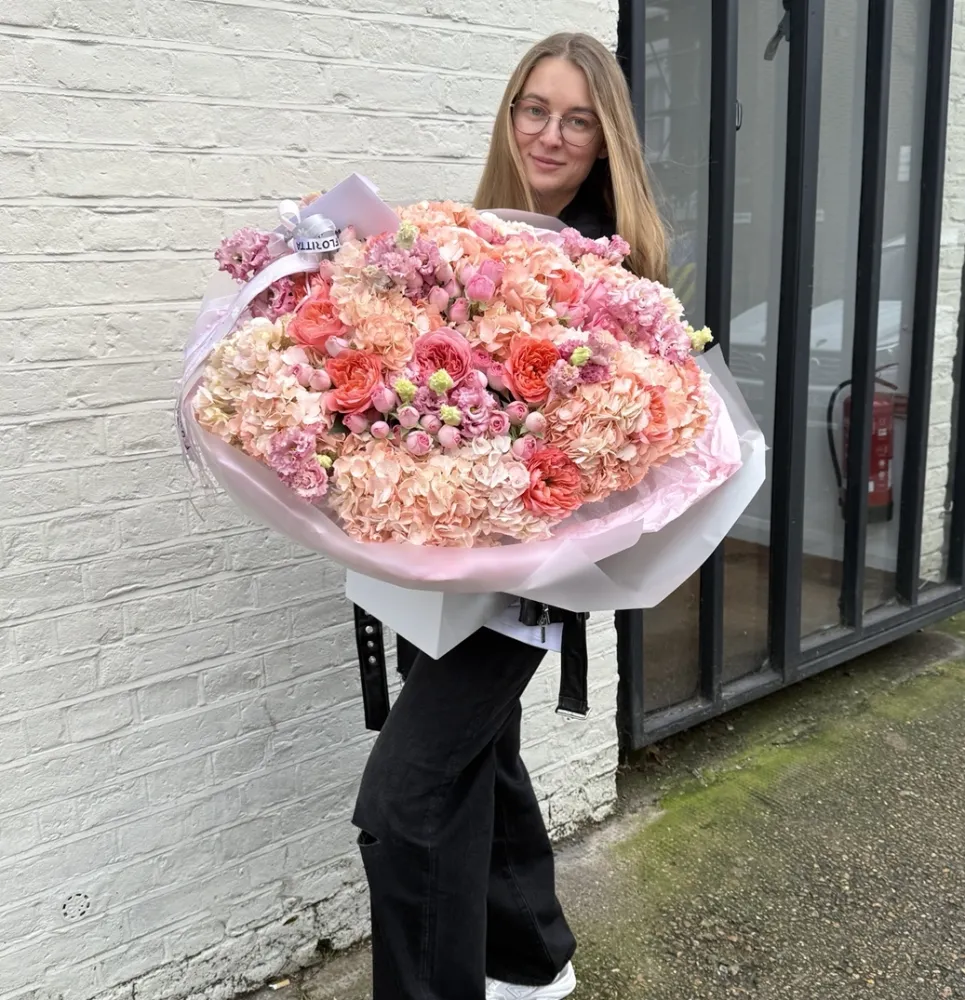
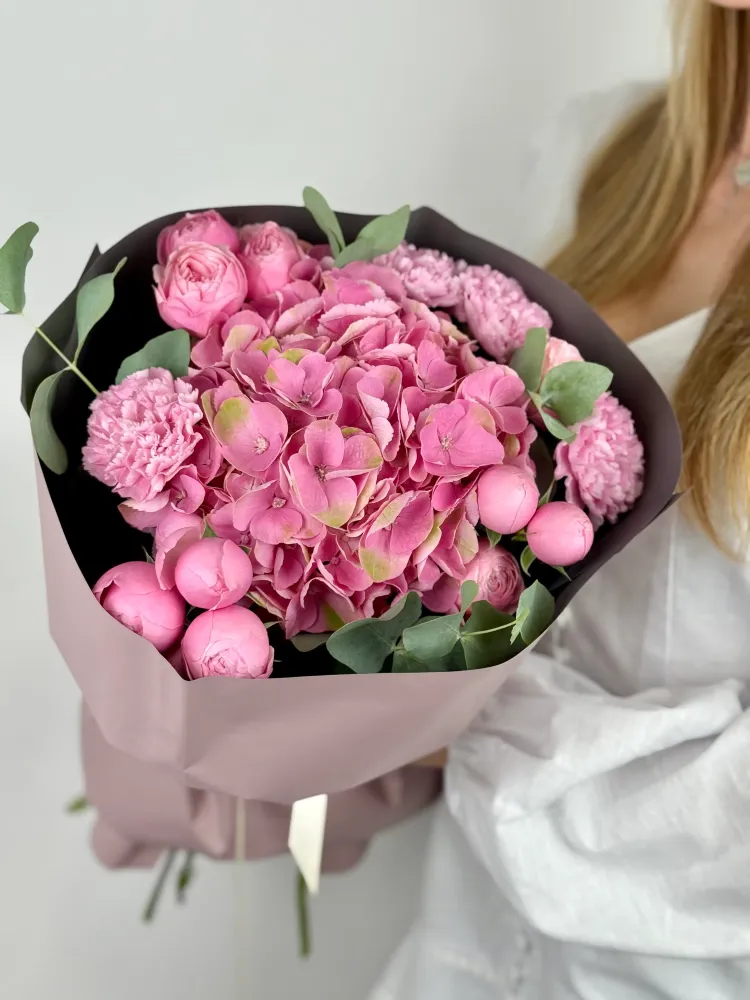
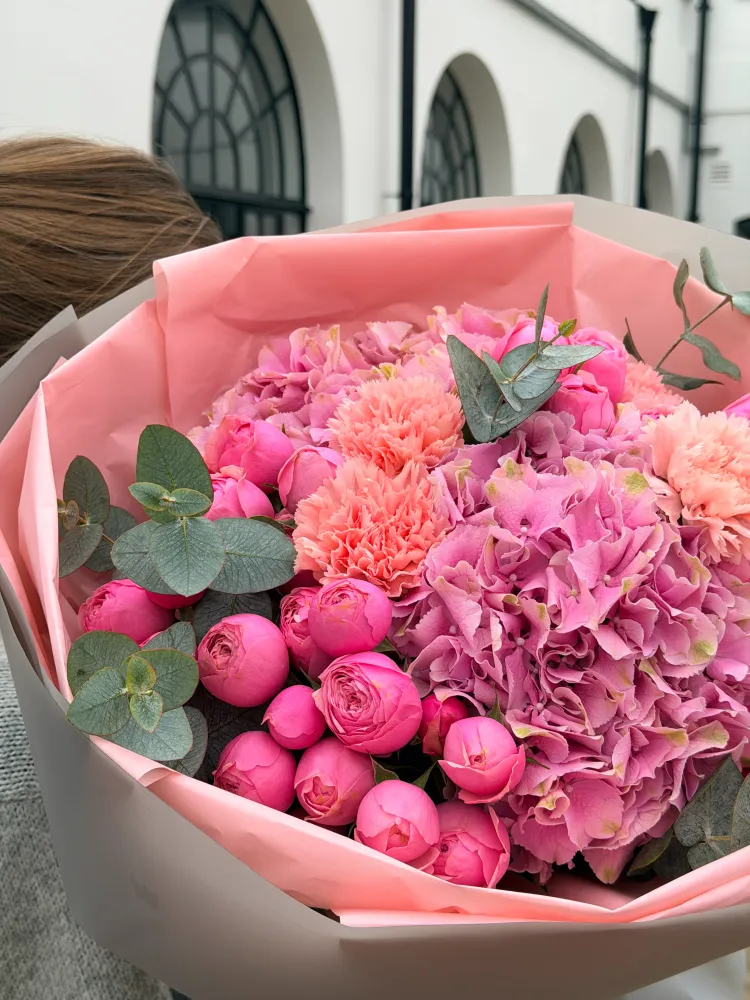
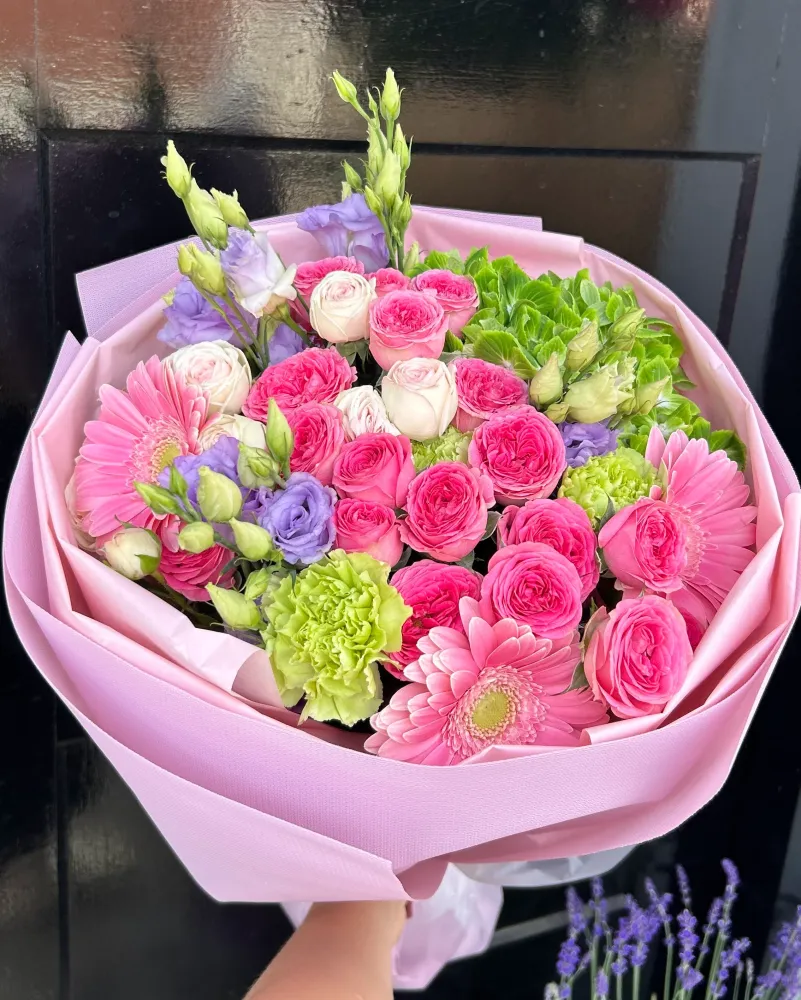
What we would avoid is paying a large premium for a stem or two of something forced out of season so that a bouquet can be technically correct. It rarely looks like the picture, and the money buys more when it goes into scale and freshness instead. If you tell us the month and roughly what the person is like, we will build it from what is genuinely good that week — the same way we build any of our hand-tied bouquets.
Common questions
Do the UK and US birth flower lists agree?
Mostly, but not entirely, and February and December are where they part company. The British tradition gives February the violet and primrose; American lists frequently give the iris and the violet. December is narcissus and holly here, poinsettia there. October is marigold in both, but American lists often add cosmos as the primary rather than the secondary. If you have seen a list that contradicts this one, it is probably the American version — neither is wrong, they are different traditions.
Are birth flowers the same idea as birthstones?
Same idea, different age and different reliability. Birthstones have been standardised by the jewellery trade — there is an agreed modern list. Birth flowers never went through that, so they remain genuinely folkloric, with regional variants and no governing body. That is part of the appeal, and it also means nobody can tell you that you have got it wrong.
What is my birth flower if I was born on the first or last day of a month?
The month you were born in, full stop. Unlike star signs, birth flowers do not straddle month boundaries — there is no cusp. A 31 October birthday is a marigold, a 1 November birthday is a chrysanthemum, and the two are one day and an entire mood apart.
Can you make a bouquet with all twelve birth flowers?
Not honestly, no — and any florist who says yes is substituting quietly. Seven of the twelve are not commercial cut flowers, and the remaining five do not share a season. What does work, and what we are asked for more often, is a bouquet built around one person's birth flower with the rest of the arrangement in colours drawn from the month: the birth flower is the reason, not the whole design.
Which birth flower suits a milestone birthday?
For a thirtieth, fortieth or fiftieth, the birth flower usually works better as an accent than as the entire brief — a card that explains it, and a bouquet with real scale. Where the tradition earns its keep is on smaller birthdays and on gifts that need a reason: a first birthday, a first birthday spent apart, or a card to someone you do not know well enough to be effusive with. Our birthday bouquets start at £31, and a birth flower makes the cheapest of them feel deliberate.
What are the birthday flowers for each month, and can you deliver them?
Birthday month flowers are simply the birth flowers in the table above: the flower of the month the person was born in. We can build a birthday bouquet around the month for most of the year. Two months are especially easy. An October birthday suits our autumn bouquets, which are made in the same burnt-orange and dusty-pink palette as marigold and cosmos. A November birthday is the one month where the birth flower is also at its seasonal best, so chrysanthemums work in a mixed bouquet or on their own. For any other month, choose from our birthday flowers and write the month in the order comment; we will lean the bouquet towards it where the season allows and tell you if it does not.
Do birth flowers have zodiac equivalents?
There are zodiac flower lists, and they are a separate and much more recent invention — mostly twentieth-century, mostly assembled by matching flower personalities to sign personalities after the fact. They do not line up with the month list, because star signs split months in half. If you are choosing a gift, the month list is the older tradition and the easier one to explain in a card.
Is it odd to send someone chrysanthemums for a November birthday?
In Britain, not at all — they are the November flower, they mean long life and friendship, and they will still look well three weeks later. The one time to think twice is if the recipient is from France, Italy, Belgium or Poland, where chrysanthemums are funeral flowers. In that case send them mixed into a bouquet rather than as the whole gift, or use a different November flower entirely.
Ordering a birth flower bouquet in London
Tell us the month in the order comment and we will build around it where the season allows and tell you plainly where it does not. Same-day delivery runs across London seven days a week on orders placed by 22:00, and addresses across mainland England, Wales and Scotland take two to three working days — so a birthday you have remembered late is usually still recoverable. Every bouquet is hand-tied in our studio in Southwark on the day it goes out, and our freshness guarantee covers at least three days from delivery: if the flowers wilt sooner, send a photo within those three days and we will replace the bouquet.
If you are choosing between flowers for someone and are not sure how long they will keep, our guide to how long different flowers last in a vase gives the honest ranges by species. And if the birthday is a complicated one — an estranged relative, a recent bereavement, someone you have not spoken to in years — whether to send flowers at all is the harder question, and we have written about that separately.