WhatsApp Chat
Graduation is one of the few milestones that arrives with a fixed date, a photograph and a room full of family, and flowers fit all three. Below is what we have learned delivering graduation bouquets across London: which flowers hold up through a long ceremony day, when the ceremonies actually fall, and where the bouquet should be waiting when everyone gets home.
What flowers should you give for a graduation?
Something bright and celebratory rather than romantic — a graduation bouquet is a congratulation, not a courtship. The choices that work best:
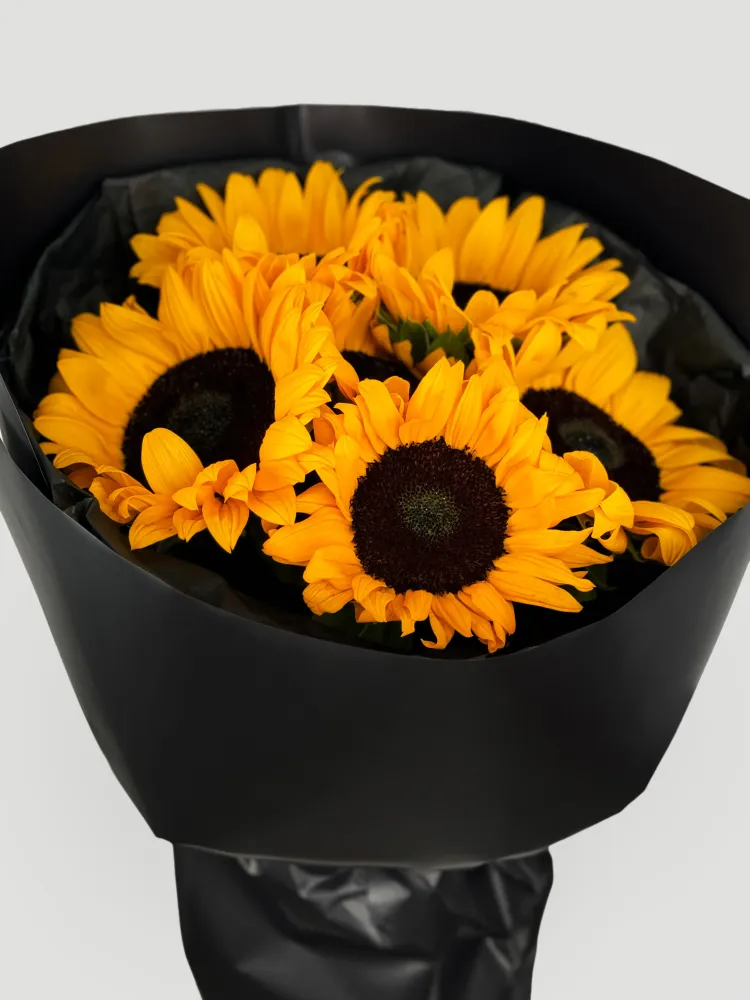
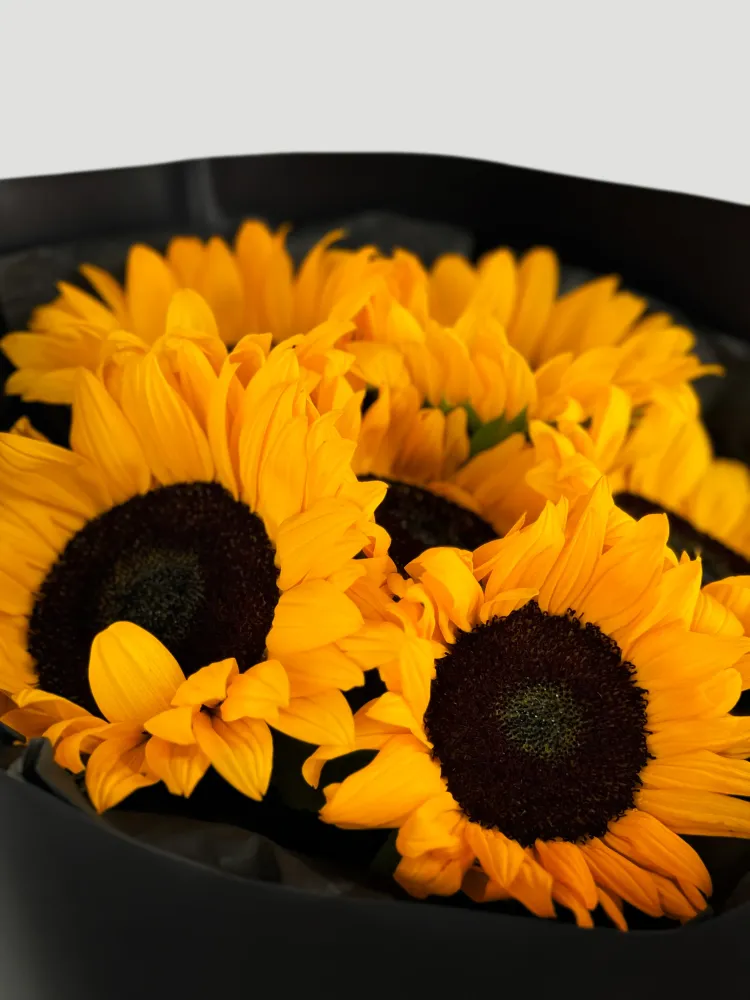
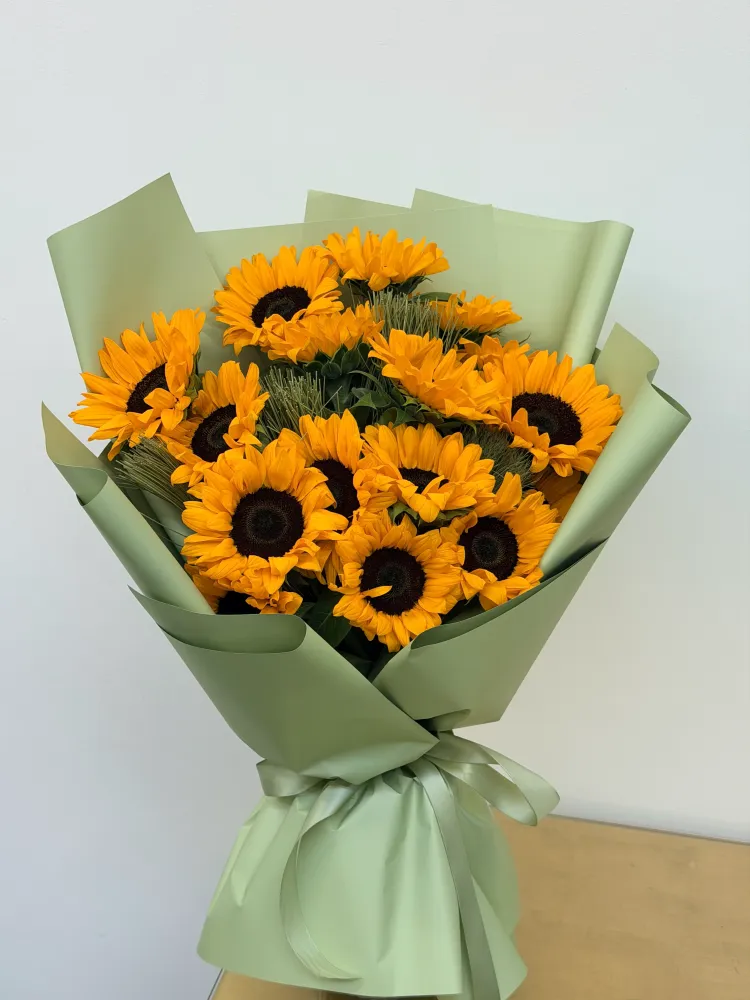
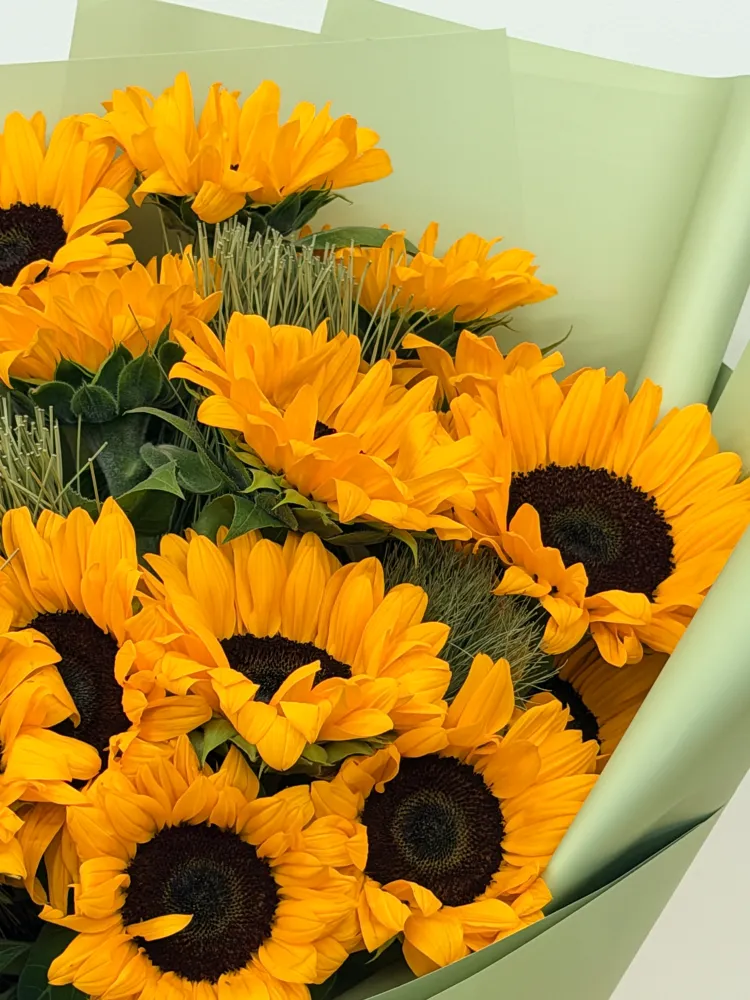
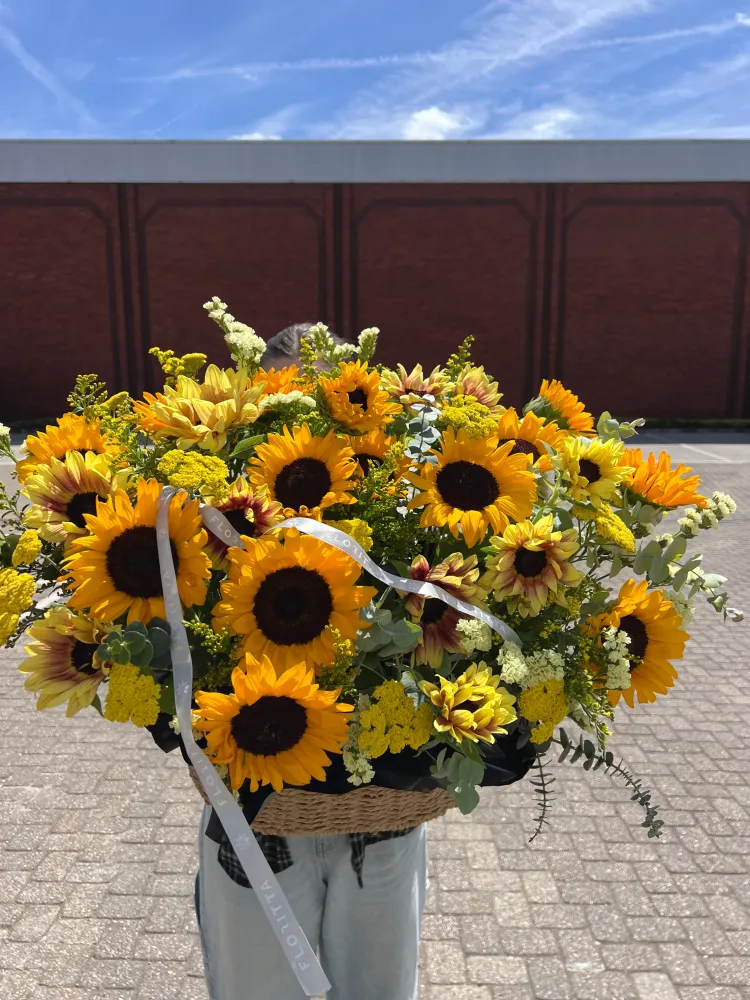
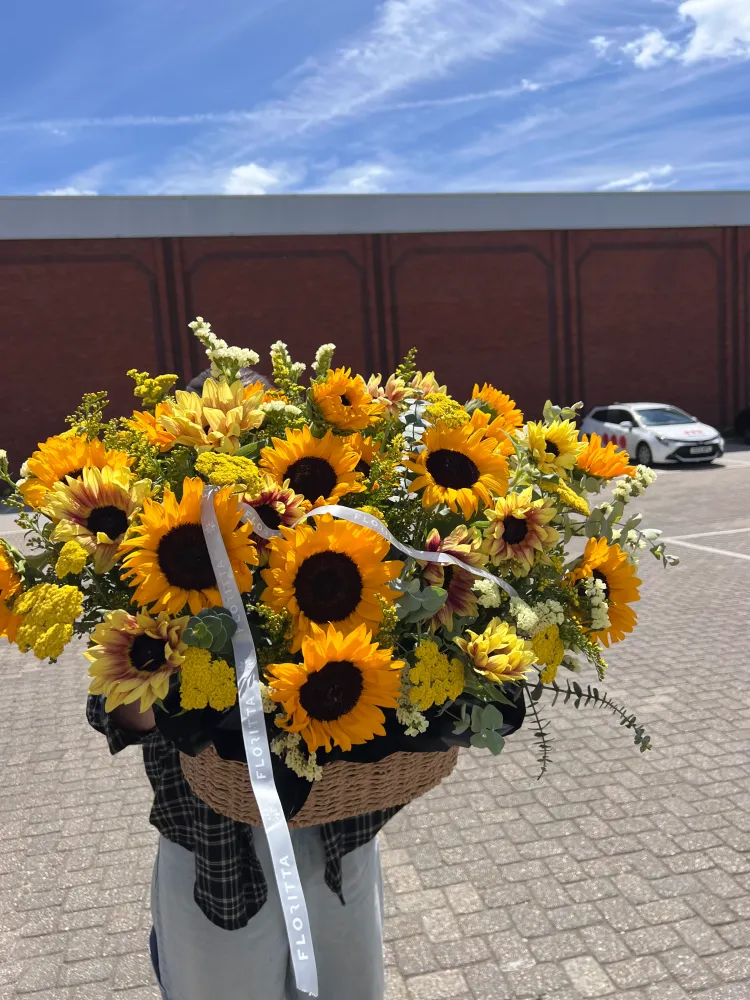
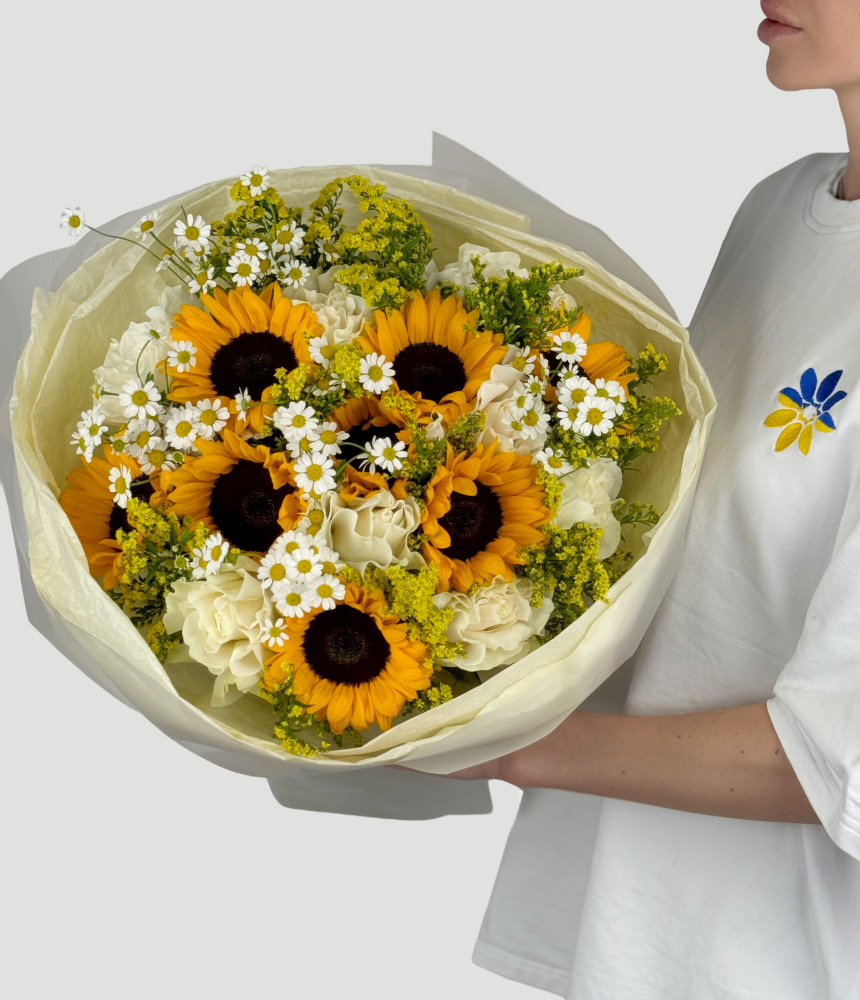
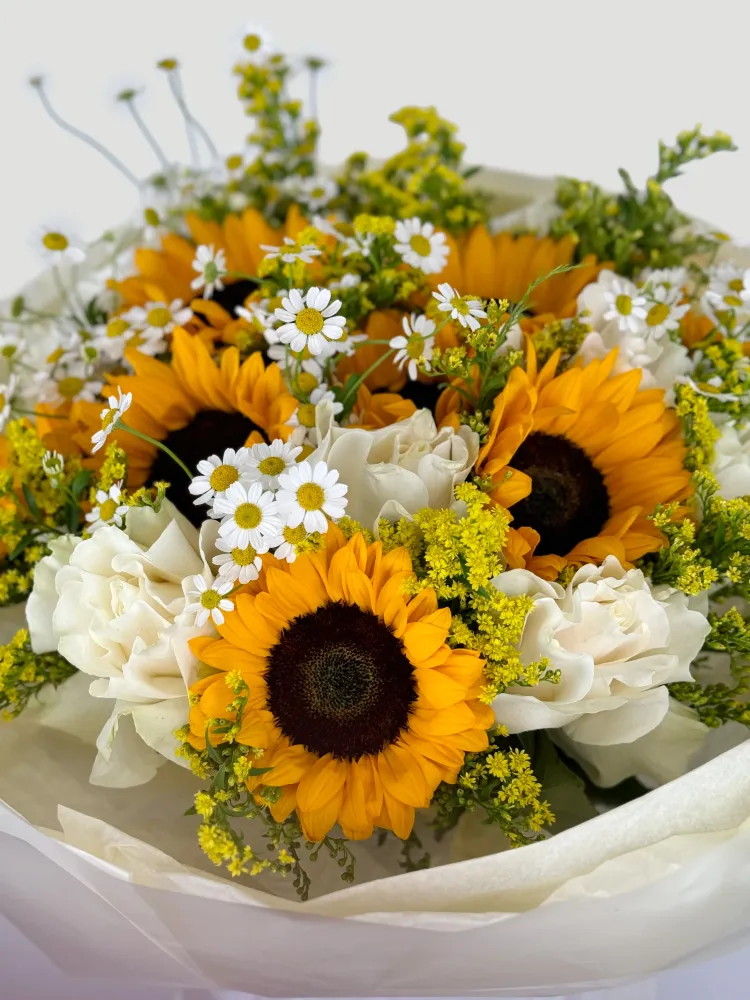
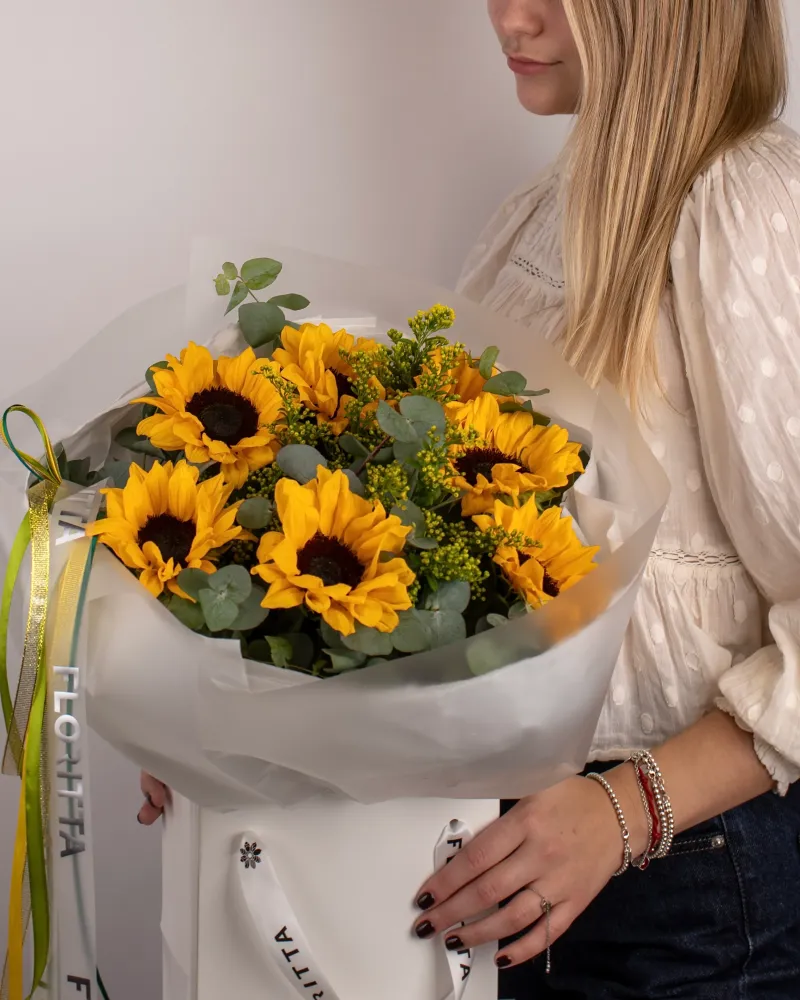
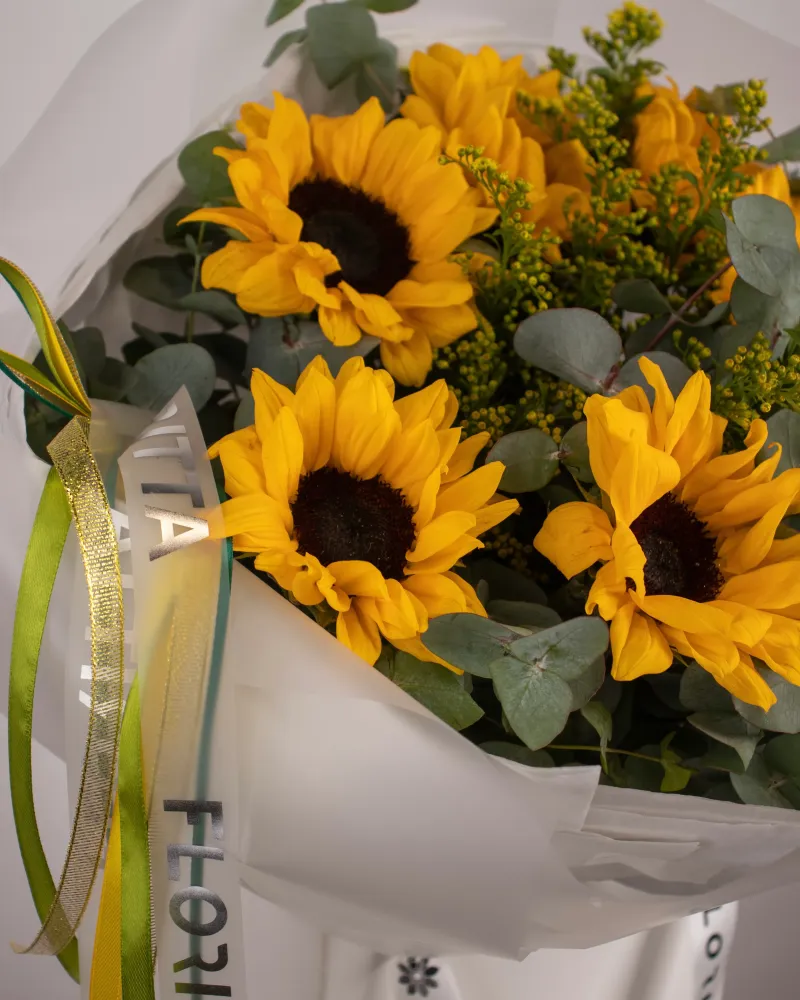
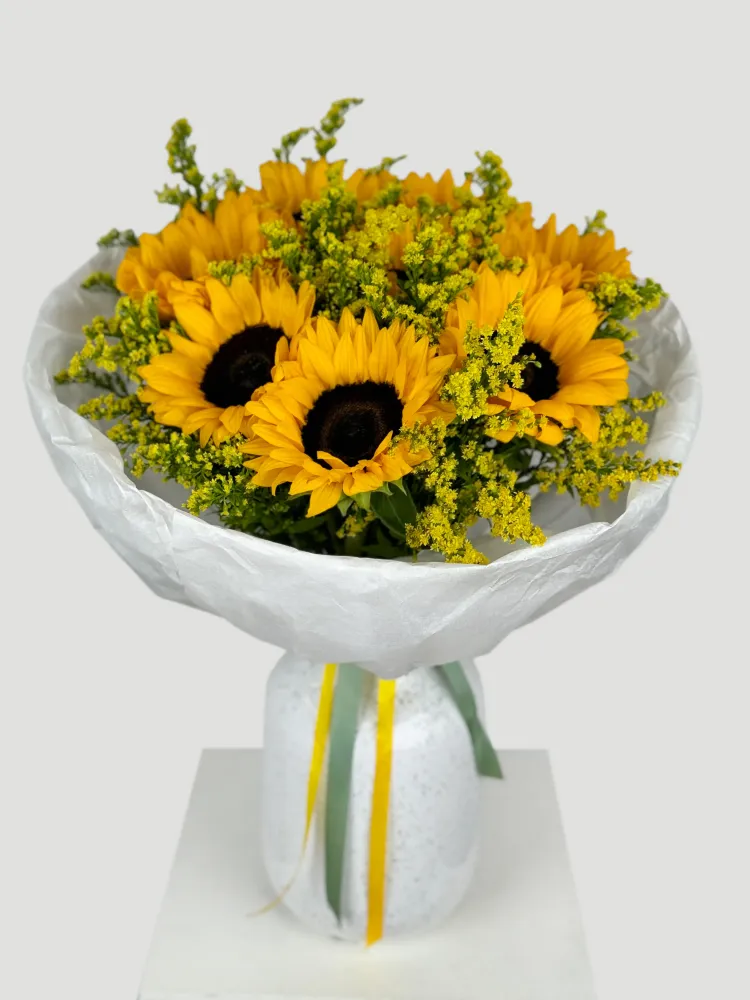
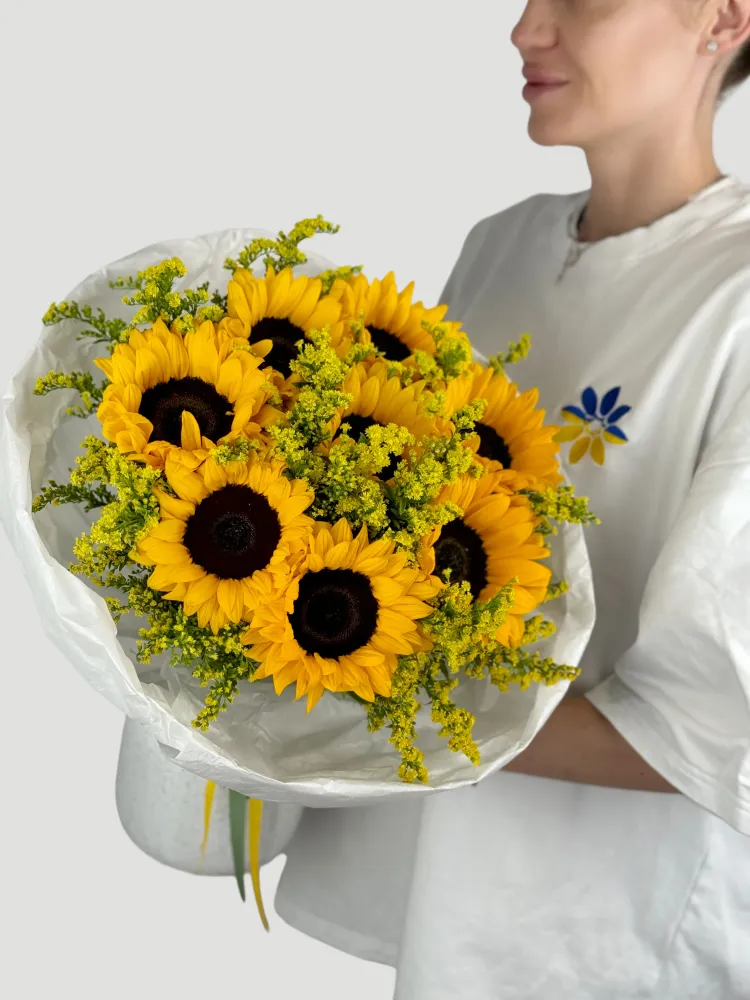
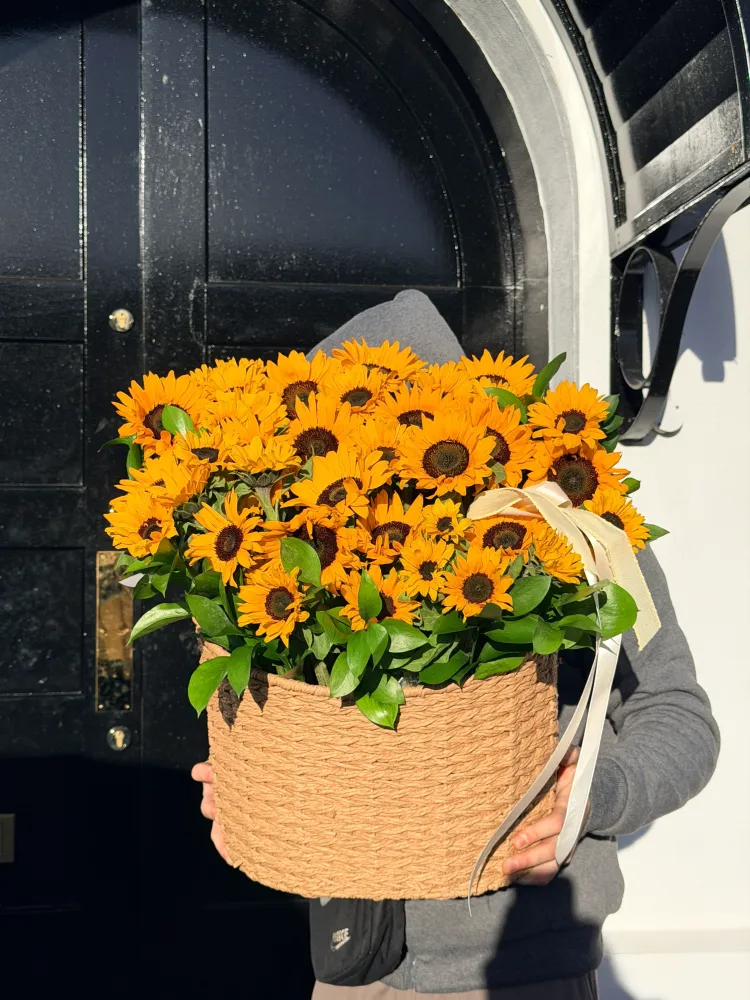
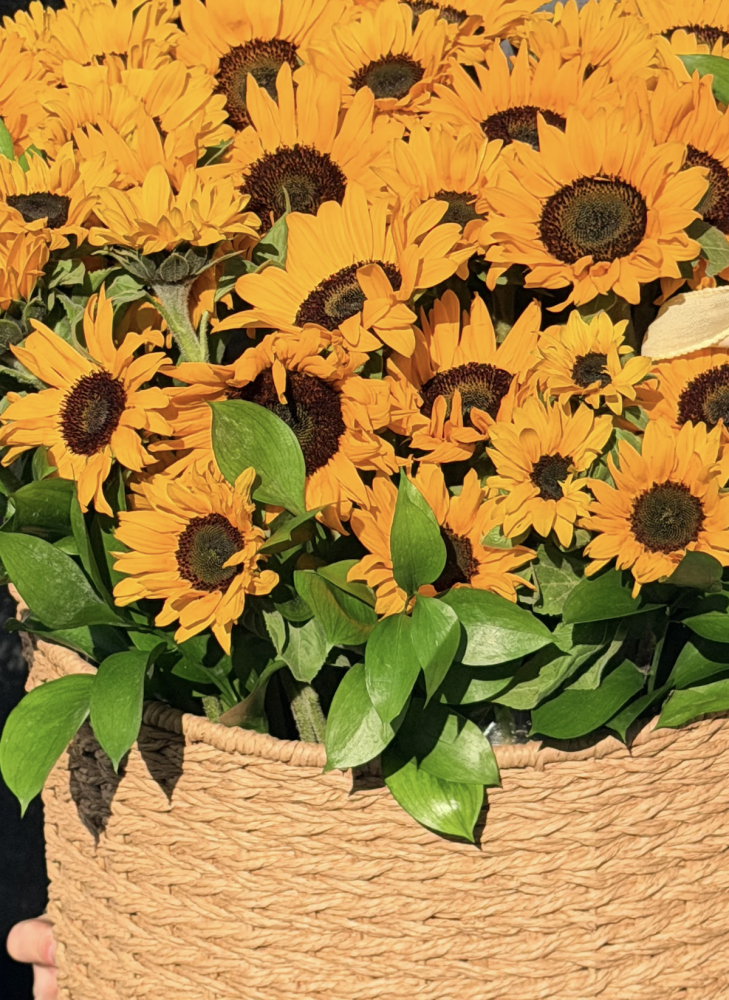
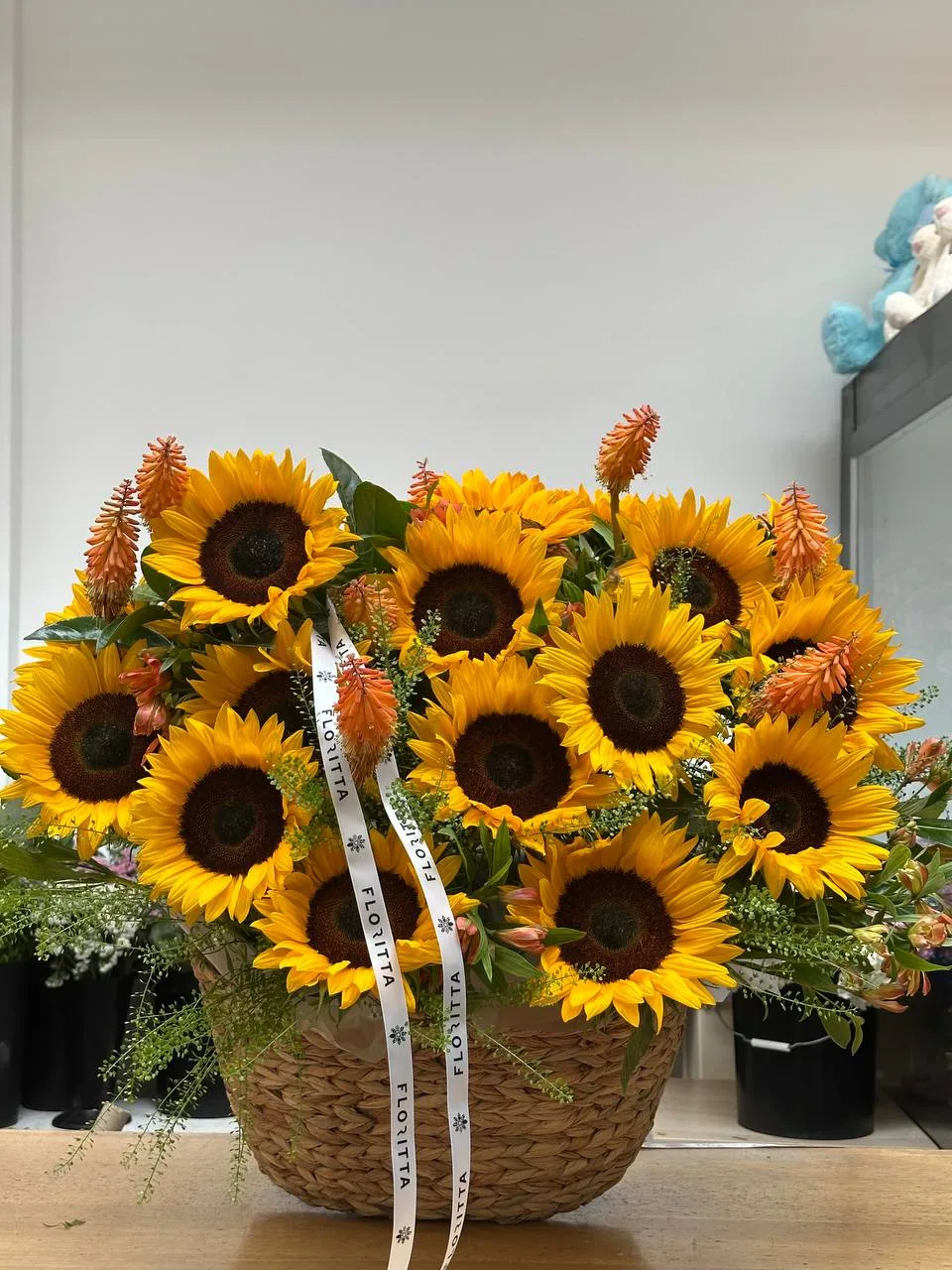
- Sunflowers — big, cheerful, hold their heads up all day and read clearly in photographs.
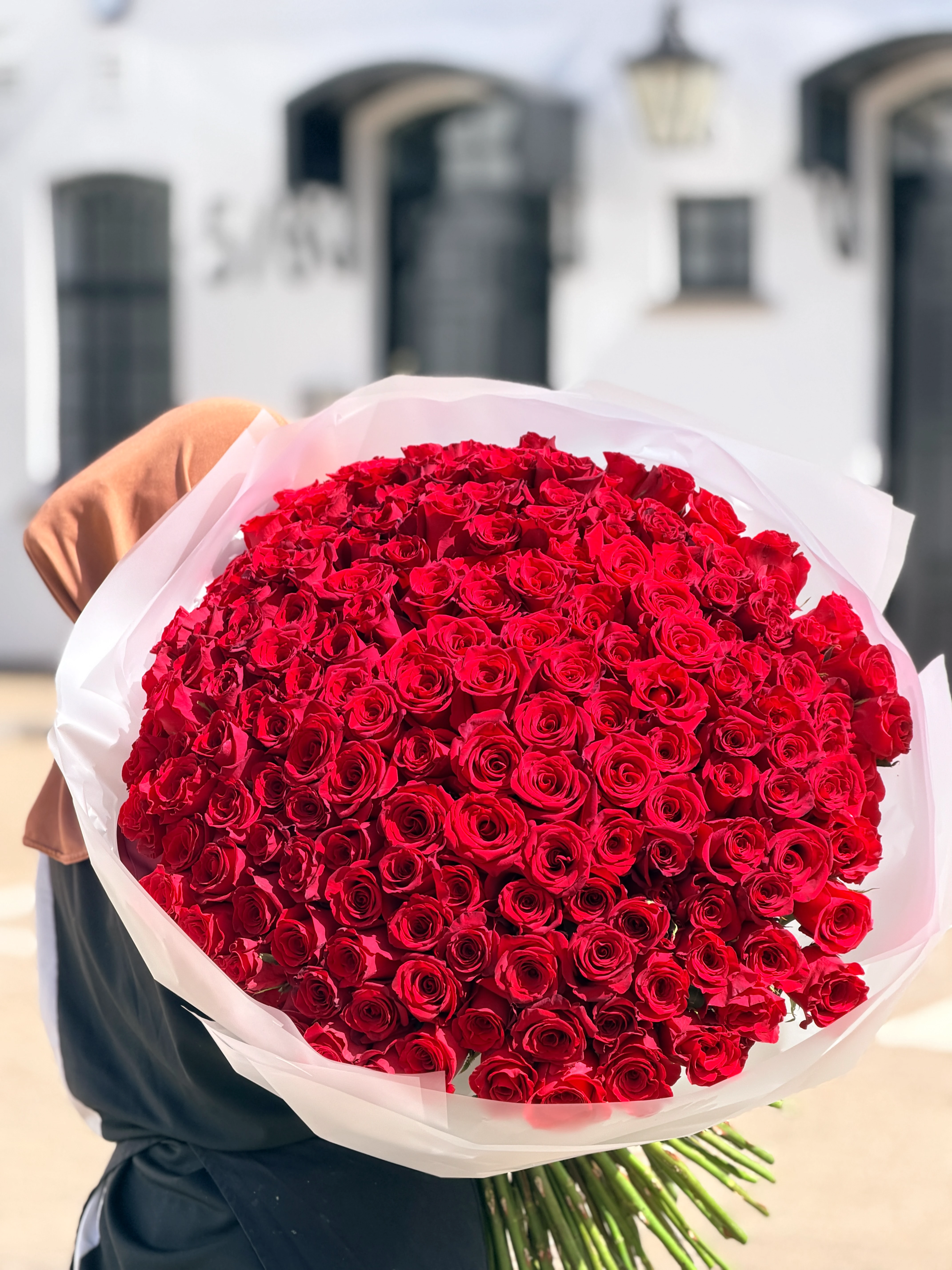
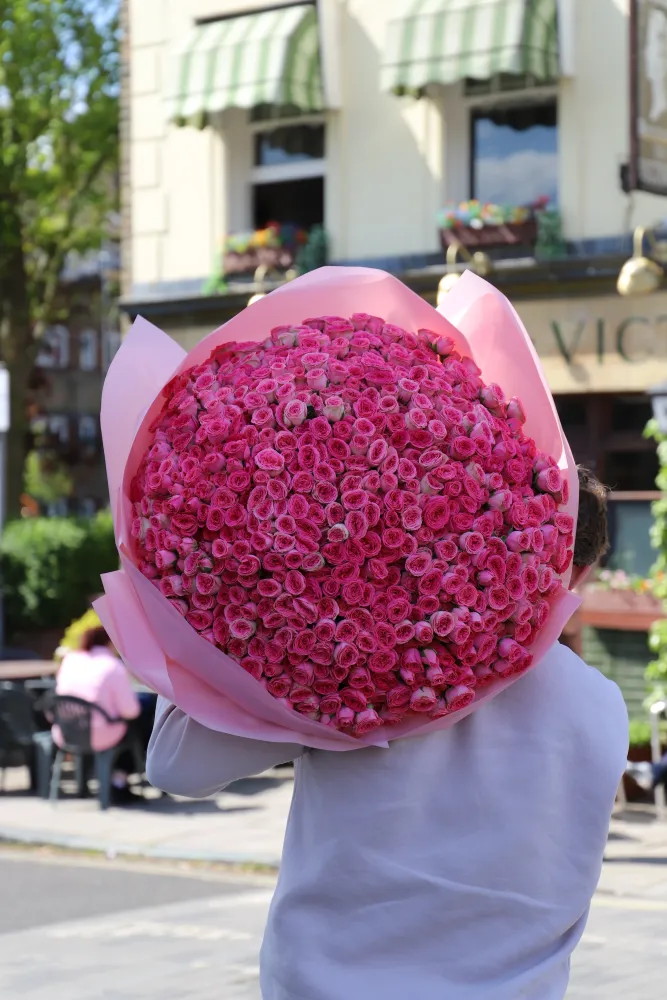
- Roses — classic and formal. Yellow and cream say achievement; deep red says something else entirely.
- Gerbera daisies — colourful and easy to match to a university's colours.
- Peonies — luxurious, but only for early-summer ceremonies: British peonies finish in the first or second week of July.
- Chrysanthemums — the winter-graduation answer, and the longest-lasting cut flower we sell.
When are UK graduation ceremonies held?
There are two seasons, not one. The main round is July, when UCL, King's, LSE, Goldsmiths, Queen Mary and City hold their ceremonies inside a two- or three-week block and central London can have several graduations on the same morning. The second round is winter — November into early December — for postgraduates, January starters and anyone who deferred. The flowers differ between the two: a July ceremony catches the last British peonies and the first garden roses, a November one falls in the middle of the chrysanthemum season. Our month guides cover both, July and November.
The autumn round is larger than most families expect, and it is spread out rather than concentrated: ceremonies run from late September through November, with a few in December and January, and a university can be graduating on a weekday morning in the middle of term. An autumn bouquet is a different bouquet from a July one. The light goes early, so photographs are taken indoors or in a short window outside, and pale colours that rely on sunshine fall flat against a grey sky — deep reds, ambers, russet and cream hold their shape far better, which is why our autumn flowers lean that way. The day is colder and longer, too: guests queue outside, then sit through a long hall, so anything fully blown when it leaves the studio will not survive it. Chrysanthemums and carnations are the two stems we lean on from October onwards for exactly that reason. Our October guide lists what is in season as the autumn round starts.
Should the bouquet go to the ceremony or to the house?
To the house, in almost every case. Most London venues will not hold a delivery for a guest, and a graduate spends hours gowned and photographed with nowhere to leave a bouquet — it ends up under a seat in a warm hall. Flowers sent to the family's address for the morning of the ceremony, or for the evening before, are photographed at home in good light and are still fresh when everyone comes back. If the bouquet really is meant to be handed over at the venue, choose a compact hand-tie rather than a tall arrangement: it has to be carried in one hand with a certificate in the other.
Flowers for the ceremony itself, and flowers for afterwards
These are two different bouquets, and it is worth deciding which one you are buying before you order. Flowers for the ceremony itself get carried — along a row of seats, up a set of stairs, through a photograph queue, usually in one hand. They need to be a compact hand-tie, light enough to hold for an hour, built from stems that are still tight when they leave the studio: sunflowers, spray roses, gerberas, chrysanthemums. No vase, no water tube, nothing that can leak onto a gown.
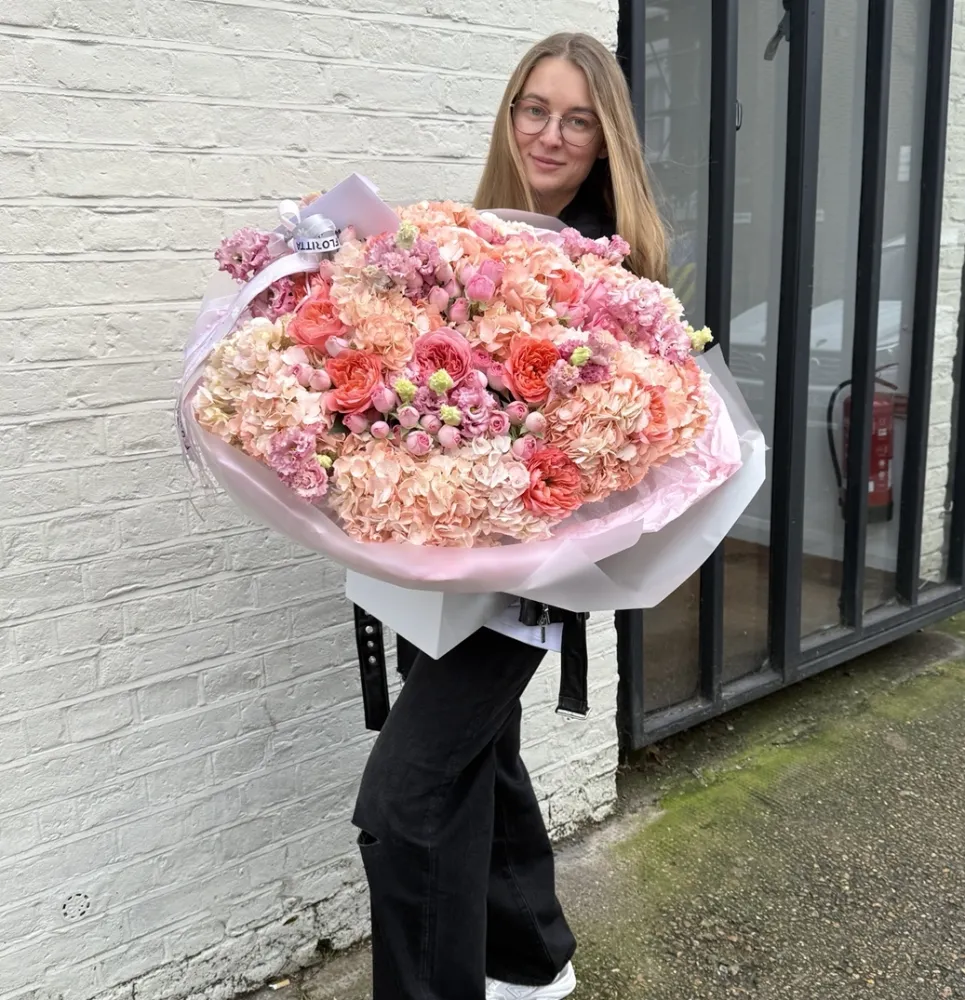
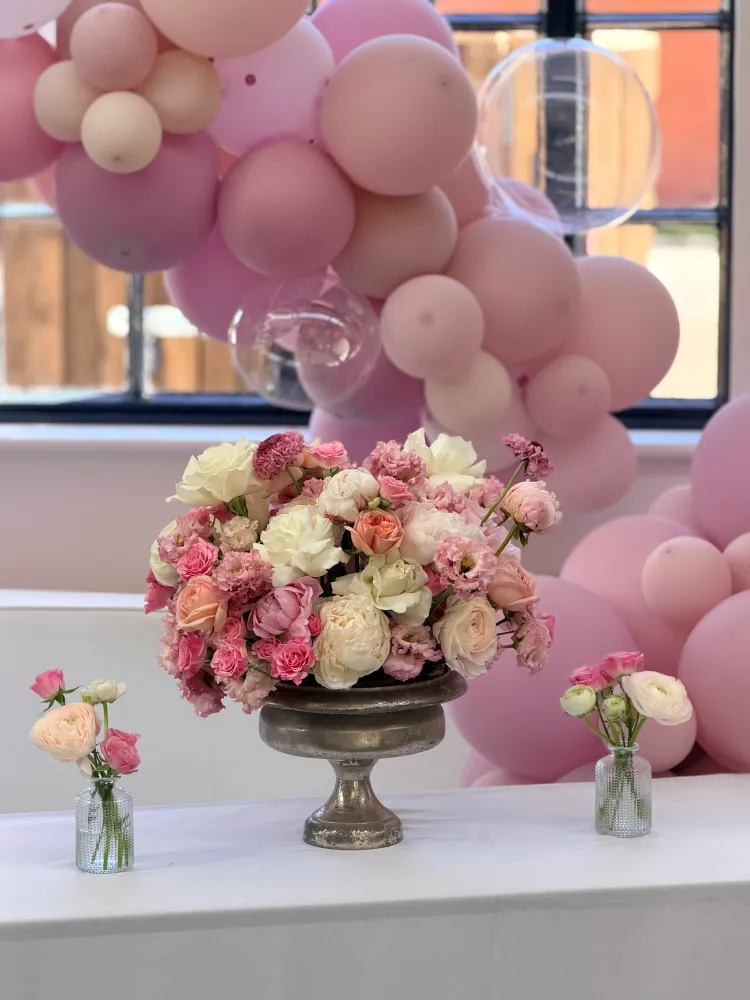
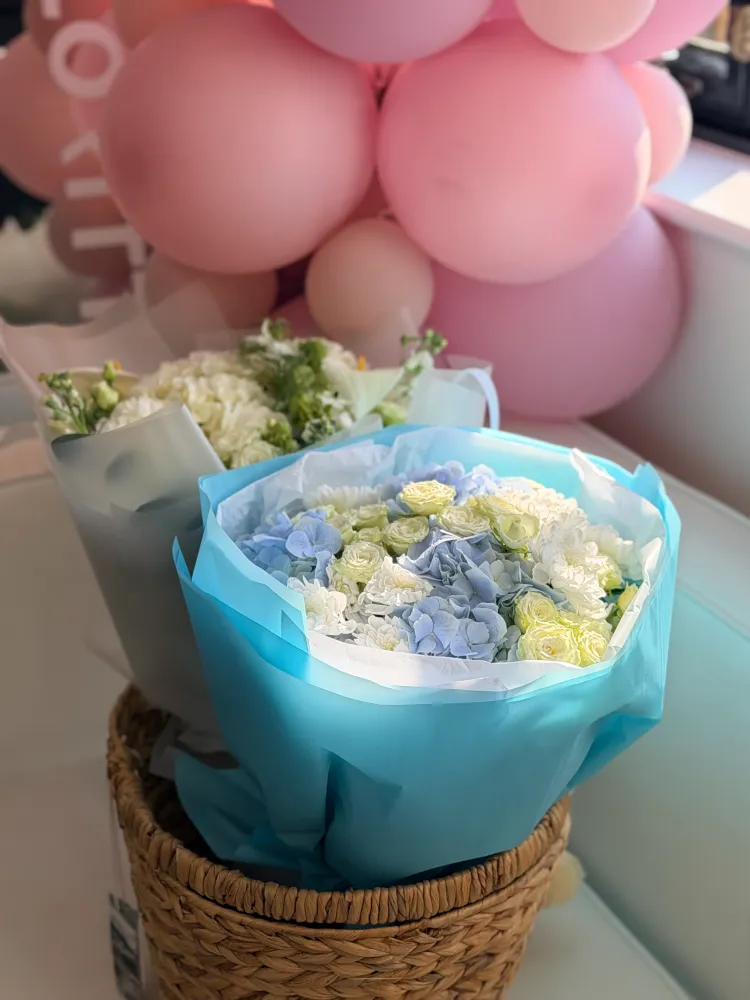
Flowers for afterwards are the ones waiting at home when everyone gets back, and they can be everything the first bouquet cannot — larger, softer, arranged rather than tied, already in a vase so that nobody is hunting for one late in the evening. Peonies and hydrangeas belong in this bouquet, not in the hall. If you are buying for someone else’s graduation and only want one bouquet, send it to the house for the morning of the ceremony: it is photographed in good light before everyone leaves, and it is still fresh that night.
Which flowers survive a long ceremony day?
The ones with a firm stem and a flower that is already open. Sunflowers, chrysanthemums, carnations, spray roses and gerberas will spend six hours out of water and come back once they are in a vase. What suffers is anything soft-headed and fully blown: open peonies drop petals in a warm hall, hydrangea wilts within an hour or two, and tulips bend towards whatever light is in the room. Keep the bouquet out of direct sun and out of the boot of a car, then give the stems a fresh diagonal cut into deep water as soon as you are home. Most of what looks like heat damage is an air-locked stem and it recovers.
What looks best in graduation photographs?
Colour that separates from a black gown. Cream, white, pale pink and yellow read cleanly against academic dress; burgundy, deep red and purple sink into it and lose their shape in exactly the photographs the family keeps. Scale matters as much as colour — a bouquet wider than the graduate's shoulders hides the gown, the hood and the certificate underneath it. A hand-tie of around thirty stems, held at waist height, is the shape that works. If the university hood is a strong colour, take the flowers one shade simpler rather than trying to match it.
How much does a graduation bouquet cost?
Four things move the price of a graduation bouquet, and none of them is the word “graduation”. The first is the number of stems — the largest factor, and the one you control. The second is whether the headline flower is in season: a peony in September is imported and priced as an import, a chrysanthemum in November is British and is not. The third is size, because a bouquet meant to read in a full-length photograph next to a gown is a bigger build than one meant for a kitchen table. The fourth is what comes with it — a vase, a card, balloons, a box instead of a wrap.
The number itself belongs on the shop page rather than in an article: prices follow the flower market and move with the season, so anything written here would be out of date by the next round of ceremonies. The starting price and the full range are shown on the graduation flowers collection, and every bouquet there is priced as it will be charged.
How far ahead should you order graduation flowers in London?
A few days is enough for a standard bouquet and about a week if you want a particular flower. Graduation weeks are among the busiest days of the summer for every London florist, and what sells out first is the seasonal stem: British peonies in early July, garden roses through the summer, the best chrysanthemums in November. You choose the delivery date at checkout. If the bouquet has to arrive by a particular hour — before the family leaves for the ceremony, for instance — tell us on WhatsApp when you order and we will build the morning run around it.
Can you send graduation flowers on the same day?
Yes. We take same-day orders for London until 10 pm, seven days a week, weekends and bank holidays included, and in central London an order placed early in the day can arrive within a few hours, though no same-day delivery time is guaranteed. Everything is hand-tied in our Southwark studio on the morning it goes out, so a same-day bouquet is the same range and the same florists as one ordered a week ahead. Outside London delivery takes two to three working days by courier, so a graduation in Manchester or Edinburgh needs ordering earlier in the week. The graduation flowers collection shows what can go out today.
What do you write on a graduation card?
Short and specific beats long and general. Name the thing they finished — the degree, the subject, the years of it — instead of congratulating an achievement in the abstract. Three that work: “Three years of it, and you did it.” — “Dr [name]. Still not used to it.” — “Whatever comes next, today is yours.” Avoid advice about the future; in a graduation card it reads as a warning rather than a congratulation. You can add a message card to any order at checkout.
Grad flowers or graduation flowers — is there a difference?
No — they are the same thing, and the order is the same whichever you say. “Grad flowers” and “grad bouquet” are the spoken forms, and in London they usually come up when the flowers are for the day itself: a grad bouquet handed over outside the hall after the ceremony, small enough to carry alongside a certificate. “Graduation flowers” is the phrase people write when they are sending something to the house for later. If you have been searching for one phrase and finding the other, you are in the right place either way — both point at the same collection and the same florists.
Order graduation flowers in London, or browse the full flower collection if you would rather build the bouquet yourself.